Weather
National Weather Service Winter 2019 MD Forecast: Mild, Snowy
The National Weather Service is the latest agency to predict what winter has in store. And it's a forecast Marylanders should like.


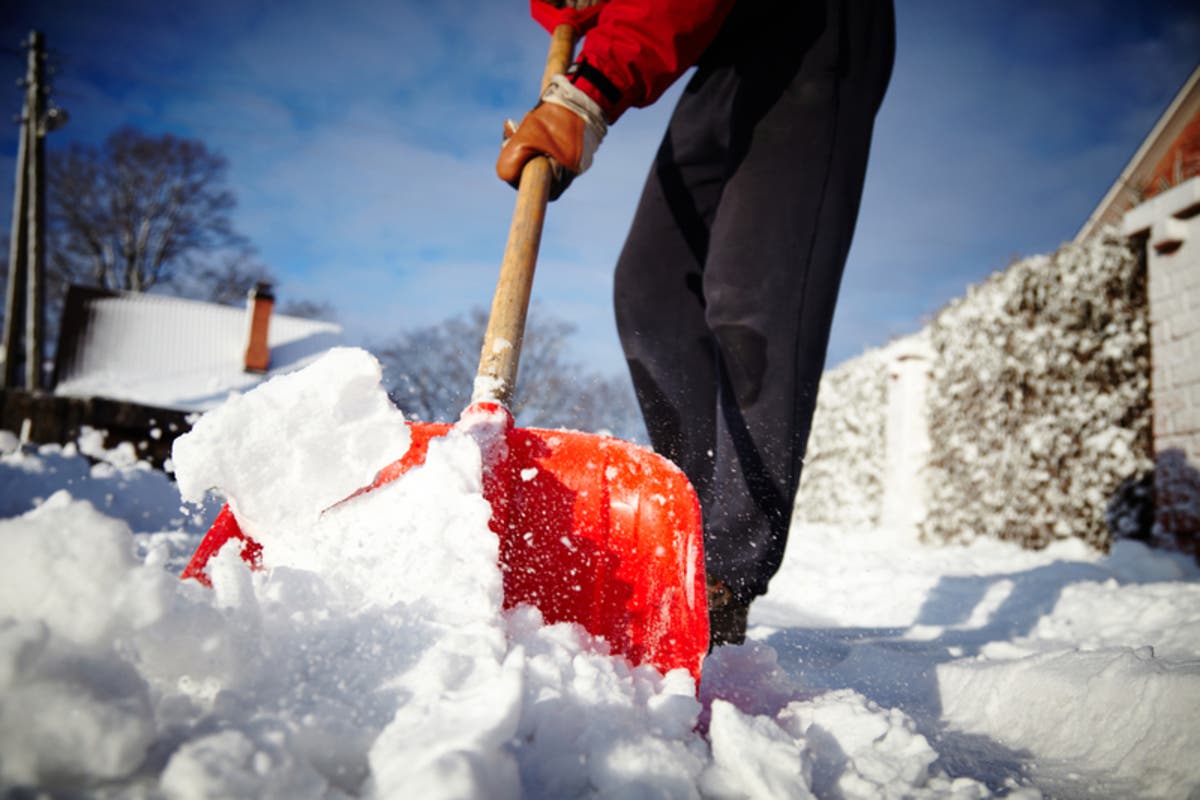
BALTIMORE, MD — There's been a flurry of early winter weather forecasts, and those homespun predictions have disagreed on just what kind of winter 2018-19 season is in store for Maryland. The meteorologists at the National Weather Service have what is likely good news for most folks, although it contradicts an earlier forecast issued by the Farmer's Almanac. So which one to believe?
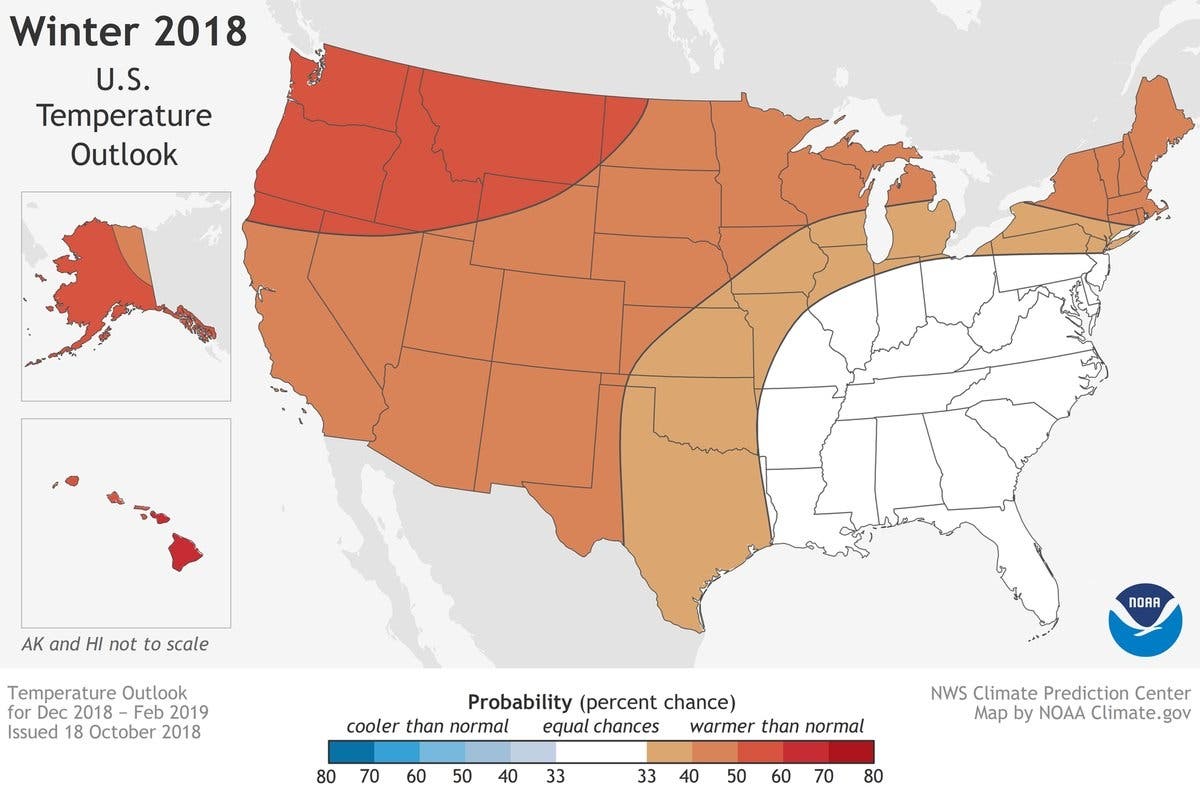
The NWS outlook, released this week, says that from December to February we can expect above-average temperatures because of a likely El Nino system. While we're also expected to have a mild winter, the greater levels of precipitation should lend itself to more snow than average, and the Mid-Atlantic region typically depends on the strength of El Nino when it comes to snowfall, the Washington Post says. However, this will be a relatively weak El Nino, so don't expect to get pounded with blizzards throughout the season.
The rest of the country may get less snow because it's expected to be warmer than normal, whereas Maryland's temperatures should be about average. Best of all: Forecasters say that no part of the country will be colder than average. And predictions this far out should be taken with a grain of salt, but if you want an idea of what is coming this winter, NOAA says keep your snow shovels handy.
Find out what's happening in Annapolisfor free with the latest updates from Patch.
"We expect El Nino to be in place in late fall to early winter," said Mike Halpert, deputy director of the agency's Climate Prediction Center. "Although a weak El Nino is expected, it may still influence the winter season by bringing wetter conditions across the southern United States, and warmer, drier conditions to parts of the North."
El Nino is an "ocean-atmosphere climate interaction that is linked to periodic warming in sea surface temperatures in the central and eastern equatorial Pacific," explain the climate scientists at NOAA. During the winter, typical El Nino conditions in the U.S. can include wetter-than-average precipitation in the South and drier conditions in parts of the North, the National Weather Service says.
Find out what's happening in Annapolisfor free with the latest updates from Patch.
Most of the country is looking warmer than normal this winter and the NWS stresses that "No part of the U.S. is favored to have below-average temperatures."
(For more news like this, find your local Patch here. If you have an iPhone, click here to get the free Patch iPhone app; download the free Patch Android app here. And like Patch on Facebook!)
So How Much Snow Are We Getting This Winter?
Several publications, including the Farmers' Almanac, will make long-range snowfall predictions but the National Weather Service says that is basically impossible to do.
"Snow forecasts are generally not predictable more than a week in advance. Even during a warmer-than-average winter, periods of cold temperatures and snowfall are still likely to occur," the National Weather Service states.
See related: Bitter Cold Or Mild: 2 Almanacs Disagree On MD Winter Forecast
The National Weather Service's winter prediction comes six weeks after the Farmers' Almanac and Old Farmers' Almanac made their winter projections.
The Old Farmer's Almanac, which released its forecast in late August, predicts a warm, wet winter with less snow than normal in the Northeast. But the Farmer's Almanac, which made its prediction in September, offered a much bleaker outlook.
The Weather Channel in its long-range forecast for November, December and January predicts near- or slightly below-average temperatures for the Southeast and mid-Atlantic regions, accompanied by wetter-than-average weather across the southern tier of the U.S., and up into the Mid-Atlantic. Northern Florida and southern Georgia have the greatest odds for above-average precipitation this winter, NOAA says.
We'll know by April 1 who was right. There are only 133 days until spring 2019!
With reporting by Dan Taylor, Adam Nichols and Brian McCready/Patch
Photo by Shutterstock
Get more local news delivered straight to your inbox. Sign up for free Patch newsletters and alerts.