Health & Fitness
Opioid Overdoses Prompt Anne Arundel County Warning
A jump in opioid overdoses nearby prompted Anne Arundel County leaders to issue a warning. Not My Child session to be held in Edgewater.


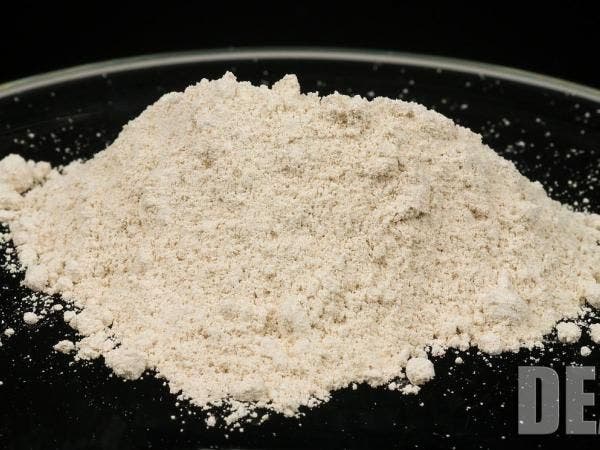

ANNAPOLIS, MD — A troubling spike on overdoses in just a two-hour period last week in a nearby county prompted the Anne Arundel County Department of Health to warn the community of the increase in opioid overdoses, and to remind users how they can get treatment for addiction. Opioids include heroin, plus prescription drugs methadone, fentanyl, Percocet and OxyContin.
The Carroll County Health Department confirmed seven drug overdoses that occurred between 10 a.m. and noon Friday, Jan. 27. So many overdoses in a short period of time likely means that the illegal or prescription drugs being sold are very potent and may lead to an overdose, health officials say. Authorities have confirmed that some of the drugs were purchased in Baltimore City at Monroe and Lexington and in Randallstown.
On Tuesday, Jan. 31, Central Middle School in Edgewater will host the "Not My Child" program to discuss the use of drugs by children and adults in every community. Doors open at 6:15 p.m. The focus of this program is to provide the facts of abuse of prescription drugs and the escalation of heroin use in local communities.
Find out what's happening in Annapolisfor free with the latest updates from Patch.
According to new numbers released by the state in late December, through the end of September 2016 Maryland had set a tragic record in the number of overdose deaths. The Department of Health and Mental Hygiene says that from January to September, Maryland saw 1,468 deaths related to overdose, surpassing the 1,259 overdose deaths that occurred in all of 2015 statewide.
And the Maryland Department of Health and Mental Hygiene has yet to tally overdose deaths from October through December 2016, which will increase the record tally. In 2015, the state saw a 21 percent increase in the number of deaths from drug and alcohol intoxication. The number of intoxication deaths had nearly doubled since 2010.
Find out what's happening in Annapolisfor free with the latest updates from Patch.
Signs of Overdose:
- Person is not responsive.
- Fingertips or lips turn blue or grey.
- Breathing is slow, shallow or has stopped.
- Person is gurgling or making snoring noises.
What can you do if you see an opioid overdose?
- Call 911.
- If you have naloxone, give the person naloxone and perform rescue breathing.
- If no response after 2-3 minutes, give a second dose of naloxone.
- Do not leave the person alone. Help will arrive.
- If the person starts to breathe or becomes more alert, lay the person in the recovery position; put the person slightly on the left side so that their body is supported by a bent knee with their face turned to the side and bottom arm reaching out to stabilize the position.
Remember the Good Samaritan Law – save a life!
- If you provide help or assist a person experiencing a medical emergency due to alcohol or drugs, you are criminally IMMUNE from being charged, arrested and prosecuted from certain crimes. (Ann. Code Md. CR §1-210)
- The police and the courts believe that saving a life is more important than a charge or an arrest.
Where can I get free naloxone training?
On www.aahealth.org, there is a calendar listing all public naloxone training. Naloxone is available from your doctor, nurse practitioner or pharmacy if you have received the training. Free naloxone training: Save a Life!
How can I lower my risk of overdose?
- Carry naloxone with you at all times and inform others where it is.
- If you haven’t used in a while, start slowly. You are at a high risk for overdose after leaving jail, prison or the hospital or after coming out of treatment.
- Avoid mixing substances.
- Be aware that drugs vary widely in purity and strength.
- Don’t use alone. If you must use alone, let people know where you are, and never the lock the door.
- Check up on each other.
- Seek treatment.
Where can someone get treatment?
Call the Anne Arundel County Substance Use Treatment and Referral Line: 410-222-0117.
If you have any questions, call Sandy O’Neill at the Anne Arundel County Department of Health: 410-222-7165.
»Photo of heroin powder from the Drug Enforcement Administration; photo of opioid prescriptions from Capital News Service
Get more local news delivered straight to your inbox. Sign up for free Patch newsletters and alerts.