Politics & Government
Released Maryland Felons Regain Voting Rights; Veto Overridden
Maryland legislators have voted to allow felons on probation to vote; Gov. Larry Hogan says radicals support move over wishes of majority.


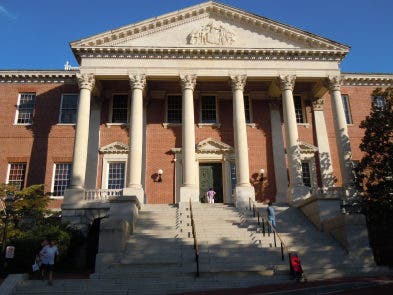
ANNAPOLIS, MD. – The Maryland General Assembly on Tuesday overturned Gov. Larry Hogan’s veto of a bill that restores voting rights for an estimated 40,000 Maryland ex-offenders while they are still on parole or probation.
Advocacy groups, including the ACLU of Maryland and the Maryland League of Women Voters, applauded the move.
A 29-18 vote on Tuesday by the Maryland Senate brought defeat for the Republican governor. The House of Delegates voted, 85-56, to override Hogan’s veto last month.
Find out what's happening in Annapolisfor free with the latest updates from Patch.
The law will go into effect on March 10, allowing all former felons who are out of prison to register and vote in Maryland’s upcoming April local and federal primaries.
But Hogan blasted the veto’s overturn in a statement, calling it the work of a “radical minority.”
Find out what's happening in Annapolisfor free with the latest updates from Patch.
“Twenty-nine partisan state senators just voted to ignore the overwhelming majority of Marylanders by granting current felons the right to vote. Only a tiny, radical minority supports this idea. But they did it anyway. They don’t seem to care what most Marylanders want. Why did they do it anyway? Because they can.”
Previously, Maryland law prohibited residents from voting until they completed every requirement of their sentence, including probation and parole supervision. The law adopted Tuesday -- introduced by Sen. Joan Carter Conway (D-Baltimore) and Del. Cory McCray (D-Baltimore) -- allows an individual to become eligible to vote upon release from prison or if they were never incarcerated, says the advocacy group Communities United.
“From the minute you are released from prison, you pay taxes, you are working to reintegrate back into society in a productive way and you deserve the full rights of citizenship,” said Perry Hopkins, a formerly incarcerated citizen and organizer with Communities United. “It’s just that simple. And today the Maryland General Assembly did the right thing and restored our rights.”
Last year, U.S. Attorney General Eric Holder called on states to restore voting rights.
Over the past two decades, more than 20 states have changed their criminal disenfranchisement laws, including Maryland, which ended lifetime disenfranchisement in 2007. Maryland’s criminal disenfranchisement law has disproportionately affected racial minorities, says Communities United.
Get more local news delivered straight to your inbox. Sign up for free Patch newsletters and alerts.