Weather
Snowy Commute Possible Friday, Highway Crews Prepare
Frigid temperatures and snow will move into Maryland in time to make Friday's commute a nightmare, officials warn. Plus winter driving tips.


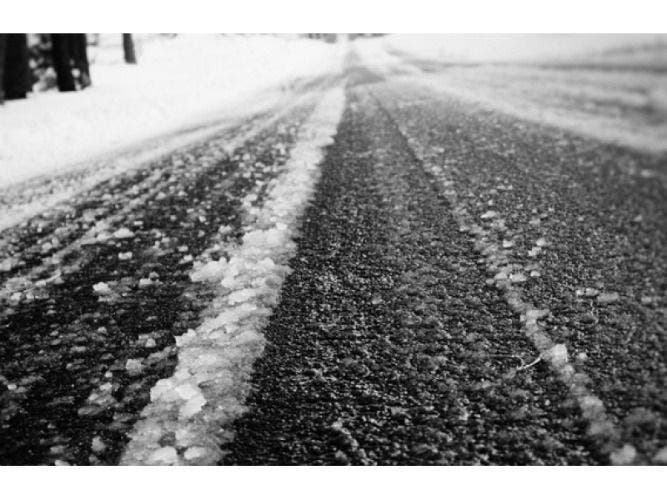
Enjoy the toasty 50s Maryland, because temperatures are about to plummet and predicted snow could make Friday morning's commute a nightmare. To get ready for winter driving conditions, Maryland state highway crews were out Wednesday pretreating roads and interstates ahead of the first accumulating snowfall of the season, which is expected to move through the state Thursday night and early Friday.
State Highway Administration trucks will spray salt brine on roads to prevent snow or ice from bonding to the pavement. But drivers are being asked to work from home or go in late to work Friday to help avoid traffic snarls during the snowfall.
“The storm is expected to impact Friday morning’s rush hour, which presents challenges for SHA crews as they become stuck in the same traffic as everyone else,” said SHA Administrator Gregory C. Johnson. “We ask that travelers make smart and informed travel choices Friday morning by delaying commuting to enable crews to effectively treat roads.”
Find out what's happening in Annapolisfor free with the latest updates from Patch.
Officials with AAA Mid-Atlantic is urging Maryland workers to stay off the roads Friday if they can.
“If you really don’t have to go out, stay home, or try to delay travel or telecommute until crews can clear roads. Also consider mass transit as a viable option to get to work,” said Ragina Cooper Averella, manager of public and government affairs at AAA Mid-Atlantic. “Even if you can drive well in the snow, not everyone else can.”
Find out what's happening in Annapolisfor free with the latest updates from Patch.
Find the latest road conditions on the SHA’s website and by clicking “CHART.” Drivers can also get free traffic and weather information by calling 5-1-1 from a landline or a hands-free mobile device or logging onto www.MD511.org. Maryland’s 511 service now offers free text and email alerts for most travelled routes through 511Direct – simply register and set your routes and preferences online.
»See the hour-by-hour and extended local forecast by clicking the temperature at the top of any Patch page.
Weekend Forecast
The arctic blast headed toward the state has prompted Anne Arundel County to open warming sheltersfor use through Monday morning.
Here's a look at those cold temperatures headed to Maryland this week (with the coldest day predicted to be Sunday), after a Wednesday warmup with highs in the 50s:
- Wednesday: Patchy fog before 10 am. Otherwise, partly sunny, with a high near 54.
- Wednesday night: Partly cloudy, with a low around 30. West wind 10 to 16 mph, with gusts as high as 29 mph.
- Thursday: Mostly cloudy, with a high near 36. West wind 8 to 11 mph.
- Thursday Night: Snow likely, mainly before 1am. Mostly cloudy, with a low around 30. Chance of precipitation is 60%.
- Friday: Partly sunny, with a high near 34.
- Friday night: Partly cloudy, with a low around 21.
- Saturday: Partly sunny, with a high near 30.
- Saturday night: Mostly clear, with a low around 20.
- Sunday: Sunny, with a high near 30.
- Sunday night: Mostly clear, with a low around 19.
MORE ON PATCH
Winter Driving Reminders from AAA
Drivers should never to run a vehicle in a garage, to avoid carbon monoxide poisoning. Always keep a vehicle’s gas tank at least half full to avoid gas-line freeze, and to keep from running out of gas if you become stuck on the side of the road or waiting in traffic jams.
“Motorists whose commute is perhaps only 10-15 miles, may think they can make it to work or home on a quarter tank of gas,” Averella said. “However, during inclement weather in years past we’ve seen drivers running out of gas, as their vehicles were idling in unexpected, hour-long traffic jams, particularly on the commute home.”
If you must be on the road, follow these safety tips:
- Remove all snow from vehicle, including roof, hood, and trunk. While driving, snow can blow off a car onto the windshield of a nearby vehicle, temporary blinding that driver’s vision.
- Slow down. Adjust your speed to the road conditions and leave plenty of room to stop. Allow at least three times more space than usual between you and the car in front of you. Accelerate, turn and brake gradually.
- Do not tailgate. Normal following distances of three to four seconds on dry pavement should be a minimum of five to six seconds when driving on slippery surfaces. The extra time will provide additional braking room should a sudden stop become necessary.
- Watch the traffic ahead. Slow down immediately at the sight of brake lights, skidding vehicles or emergency flashers.
- Bridges and overpasses freeze first and melt last. Use extra caution as the roadway leading to the bridge may appear fine, but the bridge itself could be a sheet of ice.
- Never use cruise control on slippery roads, as you lose the ability to transfer more weight to the front tire by simply lifting off the accelerator.
- Avoid unnecessary lane changes. This increases the chances of hitting a patch of ice between lanes that could cause loss of vehicle traction.
- Don’t power up hills. Applying extra gas on snow-covered roads may only result in spinning your wheels. Try to get a little inertia going before you reach the hill and let that inertia carry you to the top. As you reach the crest of the hill, reduce your speed and proceed downhill as slowly as possible.
- Don’t stop going up a hill. It’s difficult to move up a hill on an icy road. If possible, get your vehicle moving on a flat roadway first before taking on a hill.
- Minimize the need to brake on ice. As you approach a stop sign, traffic light or other area where ice often forms, brake early on clear pavement to slow down. Vehicle control is much more difficult when braking on ice-covered roadways.
- Control the skid. Slamming on the brakes can make the skid even worse. If your car skids, take your foot off of the brake or accelerator, continue to look and steer where you want to go. Then begin to accelerate slowly.
- Do not brake and turn at the same time. Asking your vehicle to do two things at a time makes it more likely that your tires will lose traction. Brake first, then turn, then accelerate.
- Know your brakes. If you have anti-lock brakes and need to slow down quickly, press hard on the pedal. It’s normal for the pedal to vibrate a bit when the ABS is activated.
What to do if your vehicle is stuck in the snow:
- Stay with your vehicle. It provides temporary shelter and makes it easier for rescuers to locate you.
- Don’t try to walk in a severe storm. It’s easy to lose sight of your vehicle and get lost in blowing snow.
- Don’t overexert yourself trying to dig or push your vehicle out of the snow. Keep sand, kitty litter or traction mats in your vehicle to help the vehicle’s tires gain traction on ice and snow. Even a vehicle’s floor mats can help in a jam.
- Tie a brightly-colored cloth to the antenna or place a cloth at the top of a rolled up window to signal distress. At night, keep the dome light on if possible. It only uses a small amount of electricity and will make it easier for rescuers to find you.
- Make sure the exhaust pipe isn’t clogged with snow, ice or mud. A blocked exhaust could cause deadly carbon monoxide gas to leak into the vehicle when the engine is running.
- Use whatever is available to insulate your body from the cold. This could include floor mats, newspapers or paper maps.
- If possible, run the engine and heater just long enough to remove the chill and to conserve gasoline.
Finally, always have an emergency car kit in your vehicle that includes: a bag of abrasive material (sand, salt, cat litter) or traction mats, snow shovel, flashlight with extra batteries, window washer solvent, ice scraper with brush, jumper cables, extra warm clothing (gloves, hats, scarves), blankets, warning devices (flares or triangles), drinking water, non-perishable snacks for both human and pet passengers, first-aid kit, basic toolkit (screwdrivers, pliers, adjustable wrench), a mobile phone pre-programmed with rescue apps and important phone numbers including family and emergency services and charger.
Cold Weather Tips, Frostbite Prevention
The Anne Arundel County Office of Emergency Management warns that extremely cold temperatures can be dangerous to those who are not prepared to deal with it.
Advanced hypothermia (decreased core body temperature) is usually accompanied by stiffness, excessive shivering, confusion, slurred speech, numbness or a weak pulse. Watch for the stumbles, mumbles, fumbles and grumbles which show changes in motor coordination and levels of consciousness.
Symptoms of frostbite (skin damage due to cold temperatures) include gradual numbness, pale or purple skin, hard (wooden) skin, or tingling or burning in the affected area. Contact your local emergency services if you or someone you know may be suffering from hypothermia or frostbite.
Children, the elderly and people with poor circulatory systems are at particular risk for hypothermia or frostbite. The Department of Health offers these tips to help residents cope with winter conditions when outside:
- Layer your clothing; it gives more flexibility and control over how warm you stay.
- Avoid cotton clothing for winter activities.
- Prepare for the unexpected. Most problems with hypothermia occur because of an unexpected change in the weather or temperature.
- Wear a warm hat. As much as 50 of body heat is lost through the head.
- Avoid getting wet when the temperature dips.
- Wear waterproof boots or shoes to keep your feet dry.
- Drink plenty of water. Avoid nicotine, caffeine and alcohol
Residents should also be aware of the risks cold weather poses when inside the house. The Department offers the following tips to help residents remain safe in their homes during cold conditions:
- Store several days’ worth of non-perishable food and bottled water.
- Keep several days’ worth of medications.
- Keep fireplaces and wood-burning stoves clean.
- Never leave space heaters on and unattended.
- Ensure smoke and carbon monoxide detectors are operating properly.
- Check on elderly or disabled neighbors and relatives.
»Patch file photo
Get more local news delivered straight to your inbox. Sign up for free Patch newsletters and alerts.