Weather
Photos Show Severe House Damage From Frozen Pipes, Cold
Anne Arundel Fire officials posted photos that show damage from burst water pipes in a Pasadena house. How to keep pipes from freezing.


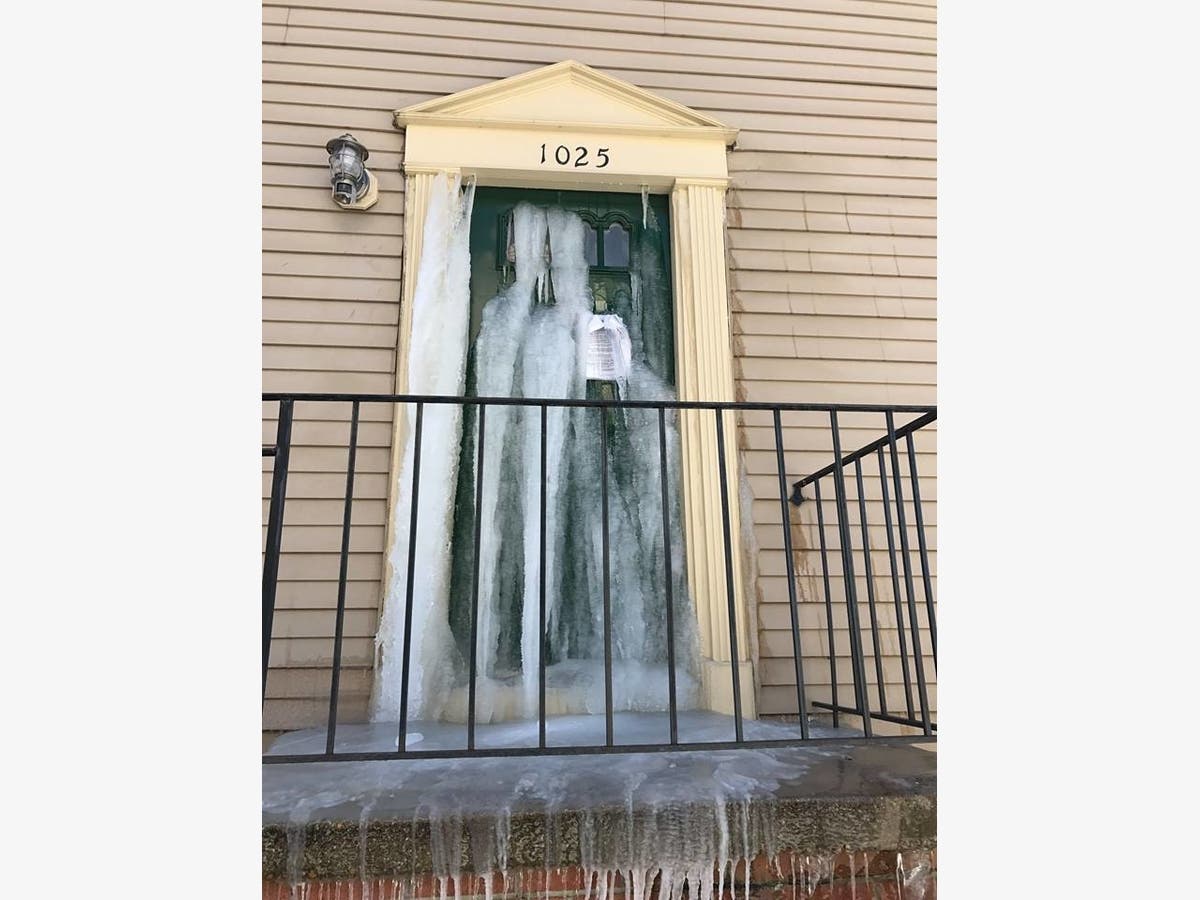


PASADENA, MD — Anne Arundel County Fire officials on Friday posted photos that show severe damage from burst water pipes in a Pasadena house. When temperatures drop as they have this weekend, it's important to know what to do to keep pipes from freezing, and how to thaw them if they do freeze.
Firefighters received a call for a broken water pipe in a vacant Pasadena house. The door was frozen solid so firefighters had to break through in order to turn off the water to the house. "While this may be an extreme example in the visual sense, firefighters are handling dozens of these calls a day, and it will only get worse once the temperatures rise and the frozen and now broken pipes reveal themselves," the department said on Facebook.
Homes are at risk until Tuesday when daytime temperatures should stay above freezing. As it freezes water expands, putting pressure on whatever is containing it, including metal or plastic pipes, authorities said.
Find out what's happening in Anne Arundelfor free with the latest updates from Patch.
Pipes that freeze most frequently are:
- Exposed to severe cold, like outdoor hose bibs, swimming pool supply lines, and water sprinkler lines.
- Water supply pipes in unheated interior areas like basements and crawl spaces, attics, garages, or kitchen cabinets.
- Pipes that run against exterior walls with little or no insulation.
SEE ALSO:
Find out what's happening in Anne Arundelfor free with the latest updates from Patch.
- MD Weather Forecast: It Gets Colder Then Icy Then 50s
- How To Keep MD Pipes From Freezing During Big Chill
How to Prevent Frozen Pipes:
- Keep garage doors closed if there are water supply lines in the garage.
- Open kitchen and bathroom cabinet doors to allow warmer air to circulate around the plumbing. Be sure to move any harmful cleaners and household chemicals up out of the reach of children.
- When the weather is very cold outside, let the cold water drip from the faucet served by exposed pipes. Running water through the pipe, even at a trickle, helps prevent pipes from freezing.
- Keep the thermostat set to the same temperature both during the day and at night. By temporarily suspending the use of lower nighttime temperatures, you may incur a higher heating bill, but you can prevent a much more costly repair job if pipes freeze and burst.
- If you will be away from home during cold weather, leave the heat on in your home, set to a temperature no lower than 55 degrees.
- If you turn on a faucet and only a trickle comes out, suspect a frozen pipe. Likely places for frozen pipes include against exterior walls or where your water service enters your home through the foundation.
- Keep the faucet open. As you treat the frozen pipe and the frozen area begins to melt, water will begin to flow through the frozen area. Running water through the pipe will help melt ice in the pipe.
- Apply heat to the section of pipe using an electric heating pad wrapped around the pipe, an electric hair dryer, a portable space heater (kept away from flammable materials), or by wrapping pipes with towels soaked in hot water. Do not use a blowtorch, kerosene or propane heater, charcoal stove, or other open flame device.
- Apply heat until full water pressure is restored. If you are unable to locate the frozen area, if the frozen area is not accessible, or if you can not thaw the pipe, call a licensed plumber.
Check all other faucets in your home to find out if you have additional frozen pipes. If one pipe freezes, others may freeze, too, the department says.
Photos from the Anne Arundel County Fire Department
Get more local news delivered straight to your inbox. Sign up for free Patch newsletters and alerts.