Health & Fitness
Intestinal Parasite In Maryland Strikes 37: Health Officials
Dozens have become sickened in Maryland by Cyclospora, a parasite that can be consumed in food and drink, health officials say.


MARYLAND — An intestinal parasite has worked its way into the digestive systems of more than three dozen Marylanders in the past two weeks, according to state health officials. Authorities say that infections caused by the microscopic parasite Cyclospora have increased nationwide, and they are not exactly sure why.
Cyclosporiasis is an intestinal illness caused by a microscopic parasite that infects people who eat food or drink water contaminated with feces containing the parasite.
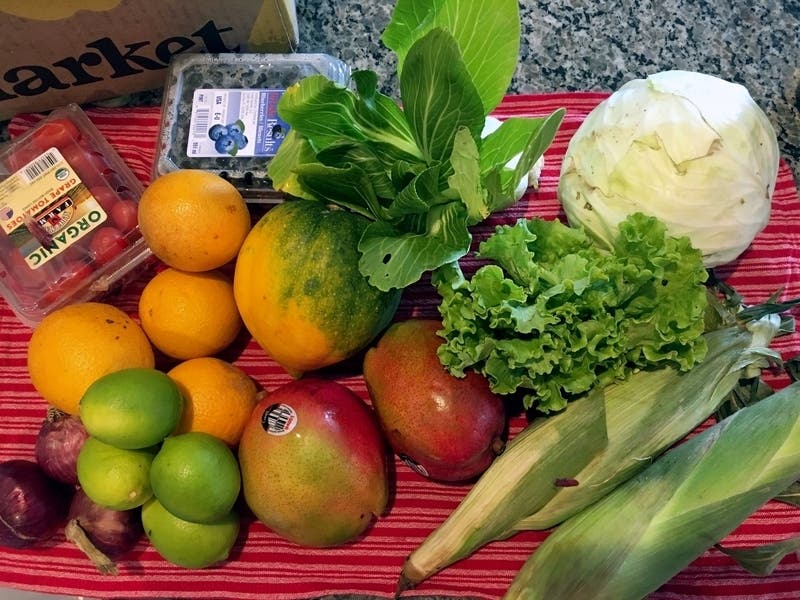
Fresh produce like basil, cilantro, mesclun lettuce, raspberries and snow peas have been linked to cyclosporiasis, according to Maryland health officials, who said that nothing commercially frozen or canned has been tied to the illness.
Find out what's happening in Baltimorefor free with the latest updates from Patch.
If someone becomes infected with the parasite, they may get symptoms like watery or explosive diarrhea, weight and appetite loss, cramping, bloating, gas, nausea and fatigue. They may also have flu-like symptoms such as vomiting, fatigue, headache, body aches and fever, according to the Centers for Disease Control and Prevention. "It is common to feel very tired," officials say.
Untreated cyclosporiasis can last for several weeks to more than a month. Those who have symptoms and think they may be infected should get tested and treated by their health care provider. Antibiotics are often prescribed, according to state health officials.
Find out what's happening in Baltimorefor free with the latest updates from Patch.
Some people may have no symptoms at all.
Between Jan. 1 and July 20, officials confirmed 42 cases of Cyclospora infections in Maryland. Of those, 37 were reported in the last two weeks, authorities said in a statement Thursday, July 25.
Local, state and federal health officials are working to identify anything leading to the increase, but they have not yet found one.
Follow these safety protocols for handling produce, Maryland health officials advise:
- Wash hands with soap and warm water before and after handling fresh produce.
- Clean cutting boards, counters, dishes and utensils with soap and hot water between uses if preparing raw meat, poultry, seafood and fruits and vegetables that will not be cooked.
- Wash fruits and vegetables thoroughly under running water before eating, cutting or cooking. Firm items like melons and cucumbers could be scrubbed with a produce brush.
- Cut away damaged or bruised areas on fruits and vegetables before preparing and eating.
- Refrigerate cut, peeled or cooked fruits and vegetables as soon as possible, or within two hours. Store fruits and vegetables away from raw meat, poultry and seafood.
People should also avoid drinking water from lakes, streams and other untreated sources to avoid getting cyclosporiasis, Maryland health officials advise.
Get more local news delivered straight to your inbox. Sign up for free Patch newsletters and alerts.