Politics & Government
Opioid Addiction Is Major Problem, Most Marylanders Agree: Poll
Maryland residents were divided on youth tackling and Baltimore but agreed on drugs and other issues, according to a new Goucher Poll.


TOWSON, MD — Marylanders are concerned about opioids, term limits and education spending. Those were some of the findings from the latest Goucher Poll, which surveyed 800 Maryland residents.
Specially trained students conducted telephone interviews to take the pulse of Marylanders on everything from drugs to football to how well they think Maryland is managing their money.
The poll was conducted from Feb. 12 to 17 through Goucher College's Sarah T. Hughes Field Politics Center. It has a margin of error of +/-3.5 percent.
Find out what's happening in Baltimorefor free with the latest updates from Patch.
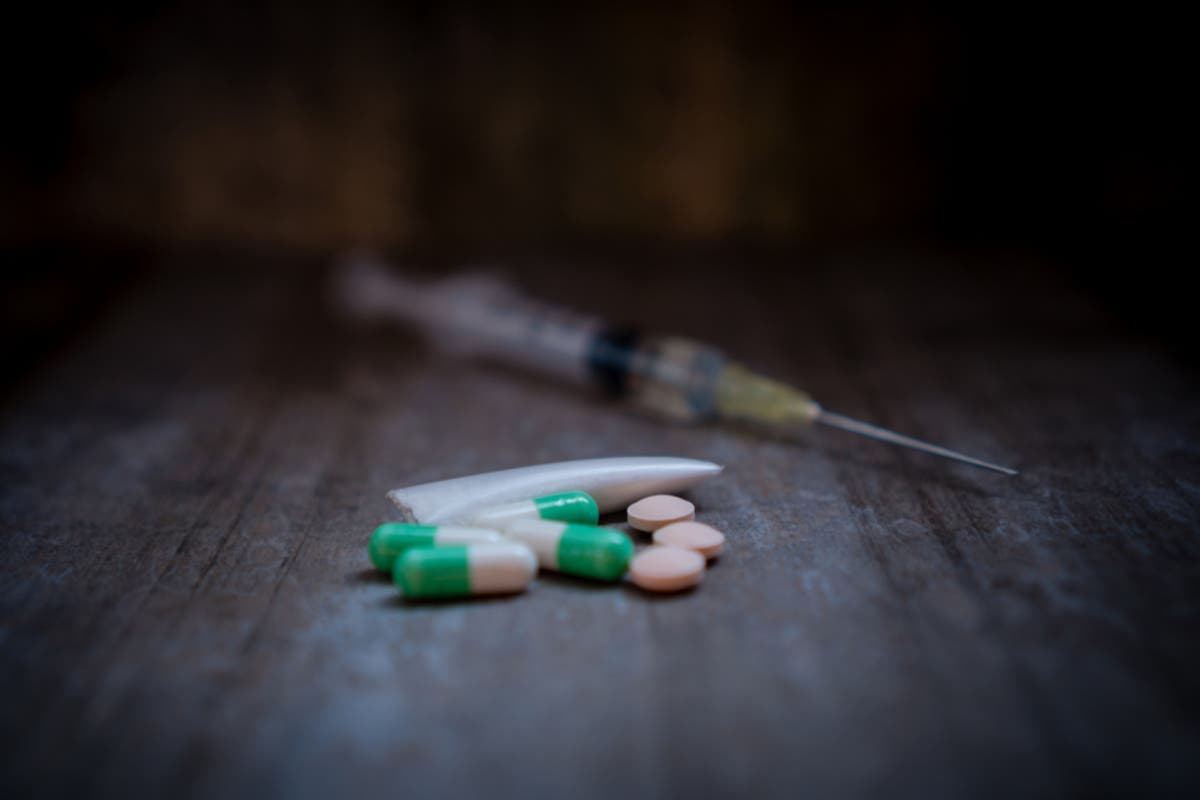
One point on which most Marylanders agreed was opioid addiction; 82 percent of those polled said that opioid addiction was a major problem, while 11 percent said it was a minor issue.
Most Marylanders want term limits for members of the General Assembly, with 75 percent in support and 17 percent in opposition, according to the poll.
Find out what's happening in Baltimorefor free with the latest updates from Patch.
Dissatisfaction with public education spending was a widespread sentiment.
Here are the results from this question: "Do you think the state government spends [too much, too little, or about the right amount] to fund public education in Maryland?"
- 71 percent said "too little"
- 19 percent said "about the right amount"
- 8 percent said "too much"
“Parents and educators know the truth about how underfunded our schools have become in the last decade,” Director of Legislative Affairs for the Maryland State Education Association Sean Johnson said in a statement Wednesday after the poll results were revealed.
"The time for budget gimmicks and temporary fixes must end," Johnson said. "The 2018 elections will be a referendum on the question of 'Who is ready to pass a comprehensive plan to provide our schools and students with the funding they truly need?'”
A little more than half of those interviewed also said that transportation is underfunded. Responding to a question about how the state was doing with its spending on public transportation, these were the responses:
- 52 percent said "too little"
- 30 percent said "about the right amount"
- 8 percent said "too much"
Here are more of the findings from the poll:
Opioids
Analysts said 81 percent of those polled think medical treatment is necessary for opioid addiction, while 5 percent said they thought it was a problem people could overcome on their own.
More than half of people in Maryland — 52 percent — say they know someone who has had opioid addiction, and 47 percent do not know someone with opioid addiction, based on the survey.
Youth Tackle Football
A bill in the General Assembly would ban tackle football for those younger than 14 years old.
- 45 percent of those polled were for the bill.
- 49 percent were against the bill.
Term Limits, Women In Legislature, Minimum Wage
While 42 percent say they do approve of the job the Maryland General Assembly is doing in Annapolis, more than one-third of those surveyed (34 percent) said they disapproved.
Most Marylanders agree that term limits should be imposed for members of the General Assembly, with 75 percent in support and 17 percent in opposition.
Most people support two terms, or eight years, with 56 percent expressing that as a preference.
Those who supported the idea of term limits were asked how long they should be, here were the responses:
- 19 percent say one term or four years
- 56 percent say two terms or eight years
- 20 percent say three terms or 12 years
- 2 percent say four terms or 16 years
Would more women help? Marylanders are split down the middle on that, with 47 percent saying it would be better and 47 percent saying it made no difference whether more women were in office in Annapolis.
About two-thirds of those surveyed in the Goucher Poll said they supported raising the minimum wage to $15 per hour; 66 percent supported it, and 31 percent opposed it.
Baltimore Issues
Several questions centered around Baltimore specifically, such as this one: "Do you [agree or disagree] with this statement: Baltimore City is the economic engine of the state."
The results showed that the perception of Baltimore as the hub of economic activity in Maryland is waning.
According to the Goucher Poll, 25 percent of Marylanders surveyed this week said that Baltimore was the economic engine for the state, while 67 percent disagreed.
That reflected decreasing confidence; 33 percent agreed and 58 percent disagreed that the city was the state's economic engine in 2017.
And one question showed respondents had varying ideas about who was to blame for the state of city schools. When pollsters asked: "What led to lack of heating in Baltimore City Public Schools?"
- 39 percent said Baltimore City Public Schools administrators mismanaged funds
- 24 percent said Maryland state government underfunded the schools
- 14 percent said Baltimore City government underfunded the schools
What do you think about the poll results? Tell us in the comments!
See more about the Goucher Poll methodology.
Image via Shutterstock.
Get more local news delivered straight to your inbox. Sign up for free Patch newsletters and alerts.