Community Corner
Winters Lane Rehabilitation Project Advances
Two homes in the historic Winters Lane community have undergone rehabilitation, while four more will be updated in the months ahead.

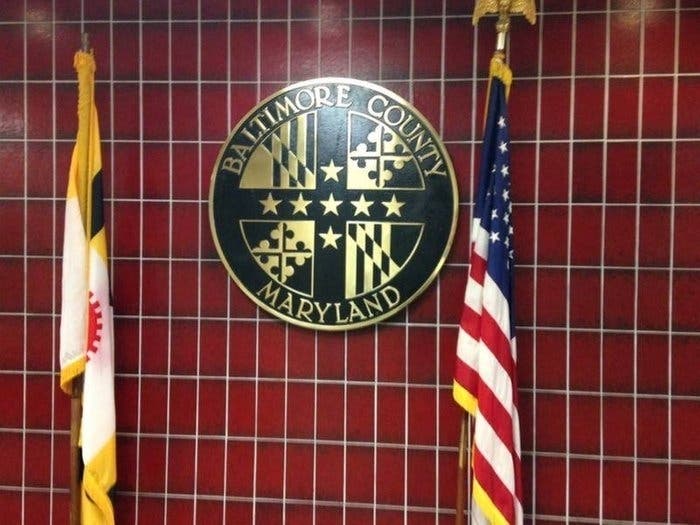
From Baltimore County Government: Baltimore County officials joined with community and non-profit partners Wednesday, June 26, to celebrate major progress in the effort to rehabilitate five duplex homes in the historic Winters Lane community. The ceremony took place at 2 and 4 Roberts Avenue, two dwelling units that comprise one duplex structure and are the first units to be fully rehabilitated. They are ready for tenants. Four remaining duplex homes will be rehabilitated in the months ahead.
The Winters Lane Housing Rehabilitation Project has been undertaken to restore and thoroughly revitalize historic homes in a community that was designated a National Register Historic District in 2007. Baltimore County initiated talks with St. Ambrose Housing Aid Center, Inc., owner of the properties being improved, in 2015. The county and St. Ambrose have advanced the project as partners, the county providing financing and oversight while St. Ambrose functions as the developer. The Maryland Department of Housing and Community Development has also provided valuable assistance to the project.
"I applaud the progress Baltimore County and St. Ambrose Housing Aid Center have made in advancing the Winters Lane Housing Rehabilitation Project," said Baltimore County Executive Johnny Olszewski. "We are providing much-needed and dramatically improved housing in a vital community."
Find out what's happening in Catonsvillefor free with the latest updates from Patch.
Winters Lane has long been recognized as the nucleus of a historically significant African-American community within the larger Catonsville community. The 1880 census reported that Catonsville was home to 498 African-Americans, according to A History of Baltimore County (published in 1979). “Then as now, Winters Lane stood as the hub of the black community,” in Catonsville, authors Neal A. Brooks and Eric G. Rockel wrote.
The homes selected for revitalization were built more than a century ago and had suffered severe impacts associated with decades of wear and tear. Very tight floor plans and sparse features contributed to the consensus judgement that the homes had become functionally obsolete and were in dire need of rehabilitation. With the exception of key timbers and other components preserved for their historic significance, the homes' interior and exterior materials have been removed and replaced with new, modern materials and amenities.
Find out what's happening in Catonsvillefor free with the latest updates from Patch.
A historic preservation agreement that governs the project ensures that key architectural features will be retained, including the home's façade, porch structure and window arrangements.