Health & Fitness
Steps to Be Prepared When Flu Strikes
Advice on what to do when you get the flu, and how to prevent it in the first place.
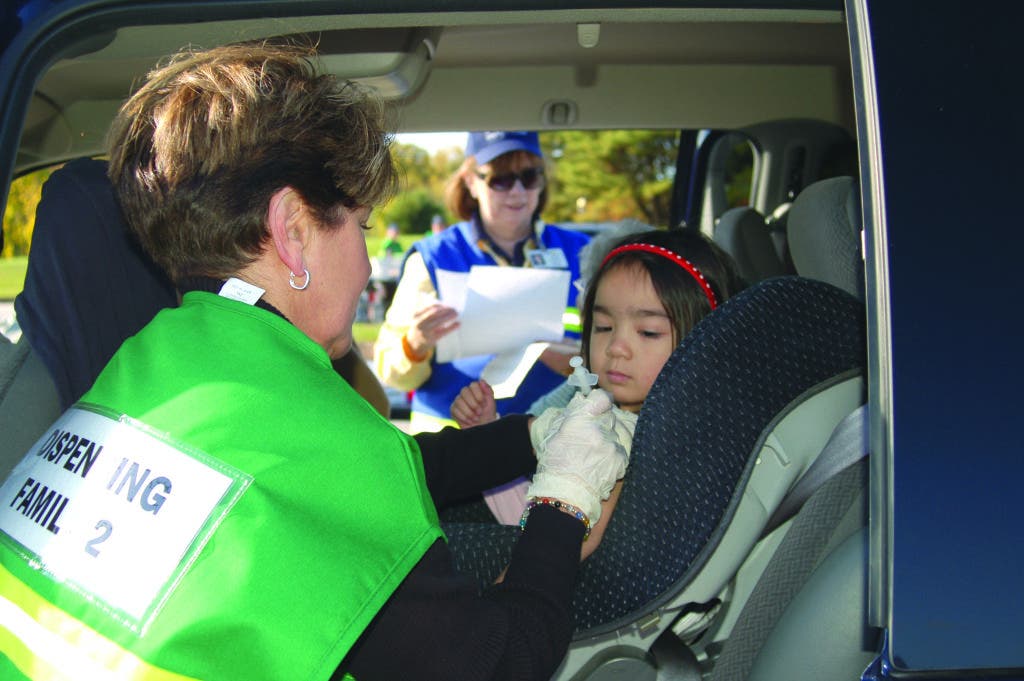
The season’s first snowfall last weekend reminds us of other things to come as the weather grows colder—like seasonal influenza, or flu.
While some people may see the flu as a mere nuisance, it can, in fact, be dangerous and even fatal, leading to 200,000 hospitalizations and 36,000 deaths each year.
The best way to avoid the flu is to get the annual vaccination. We’re fortunate that it is widely available this year. And it’s even free if you come to Franklin Square Hospital Center’s annual drive through flu clinic held this Sunday, beginning at 10 a.m. on the nearby CCBC-Essex campus.
Find out what's happening in Essex-Middle Riverfor free with the latest updates from Patch.
Volunteers from the hospital will administer free flu shots to everyone 6 months and older, on a first-come, first-served basis.
If you do get sick this winter, it can be easy to mistake a common cold for the flu, or vice versa. While you can’t cure either, knowing the difference between the two can help you know how to handle it and how to manage your symptoms.
Find out what's happening in Essex-Middle Riverfor free with the latest updates from Patch.
A cough, sore throat, and runny or stuffy nose can be either a cold or the flu, but if your symptoms also include body aches, headache, chills, fatigue, diarrhea, or vomiting, chances are you have the flu.
If you have the flu, the Centers for Disease Control and Prevention (CDC) offer these recommendations:
- Stay at home from work or school until you have been symptom-free (without the use of fever-reducing medicines) for at least 24 hours. Until then, avoid contact with others as much as possible.
- Take over-the-counter medications to relieve the symptoms of the flu (but never give aspirin to children or teenagers who have flu-like symptoms, particularly fever).
- Get lots of rest, drink plenty of liquids, and avoid using alcohol or tobacco.
- Cover your note and mouth with a tissue when you cough or sneeze. Throw the tissue in the trash after you use it and wash your hands often with soap and water. If you do not have a tissue, cough or sneeze into the crook of your arm, not your hand.
- Wash your hands often with soap and water, especially after coughing or sneezing. Alcohol-based hand cleaners are also effective if soap and water are not available.
- Avoid touching your eyes, nose and mouth to stop the spread of germs.
Some people are at a higher risk for flu complications than others. These include young children, pregnant women, those who have chronic medical conditions (such as asthma, diabetes, or heart disease), and people age 65 years and older. If you are in one or more of these categories and you get sick with the flu, it’s wise to consult with your health care provider.
If you are a generally healthy individual who is mildly ill, follow the CDC recommendations and in time you will recover. But be sure to keep an eye out for emergency warning signs, and if you experience them, seek medical attention immediately.
Emergency Warning Signs When You Have the Flu
In children:
Fast breathing or trouble breathing
Bluish or grayish skin color
Not drinking enough fluids
Not easily waking up or not interacting
Irritability and not wanted to be held
Flu-like symptoms that improve but then return with fever and worse cough
Fever with a rash
Severe or persistent vomiting
In adults:
Difficulty breathing or shortness of breath
Not drinking enough fluids
Pain or pressure in the chest or abdomen
Sudden dizziness or confusion
Severe or persistent vomiting