Business & Tech
2013 Orionid Meteor Shower Peak: 3 Stunning Photos
The Orionids are peaking now and continue until about Nov. 7.


By Todd Richissin
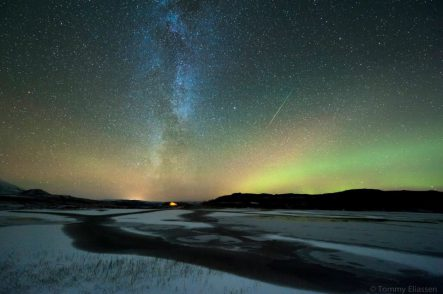
As far as photos go of the 2013 Orionid meteor shower peak, it will be difficult to get anything resembling the photos that accompany this story.
The photos are from Tommy Eliassen Photography, taken in Norway this year and last. When we stumbled across them, we knew we had to share them, and Eliassen graciously agreed to have them posted on Patch.
Find out what's happening in Takoma Parkfor free with the latest updates from Patch.
But skies are expected to be clear, so you may just get a glimpse of some shooting stars.
The meteor shower peaks early this week, but it will continue until about Nov. 7.
From NASA on the Orionids:
Find out what's happening in Takoma Parkfor free with the latest updates from Patch.
The Orionids, which peak during mid-October each year, are considered to be one of the most beautiful showers of the year. Orionid meteors are known for their brightness and for their speed. These meteors are fast -- they travel at about 148,000 mph (66 km/s) into the Earth's atmosphere. Fast meteors can leave glowing "trains" (incandescent bits of debris in the wake of the meteor) that last for several seconds to minutes. Fast meteors can also sometimes become fireballs: Look for prolonged explosions of light when viewing the Orionid meteor shower.
Remnants from this shower, as well as the Eta Aquarids in May, come from Halley's Comet.
Fast Facts on the Orionids from Earthsky.org:
Comet of Origin: 1P/Halley
Radiant: Just to the north of constellation Orion's bright star Betelgeuse
Active: 2 Oct. - 7 Nov. 2013
Peak Activity: 20-21 Oct. 2013
Peak Activity Meteor Count: Approximately 20 meteors per hour in moonless skies
Meteor Velocity: 66 km (41 miles) per second
Get more local news delivered straight to your inbox. Sign up for free Patch newsletters and alerts.