Business & Tech
The Cheapest Store To Buy Groceries From In MA Is Not The One You May Think: Survey
Per Consumer Reports, most Americans buy food from at least two retailers each week. Where they go can have a major impact on their wallets.

BOSTON, MA — As wages struggle to outpace the rising cost of consumer goods nationwide, shoppers are penny-pinching to offset rising expenses, particularly at grocery stores — and Bostonians are no exception, according to a survey commissioned by Consumer Reports.
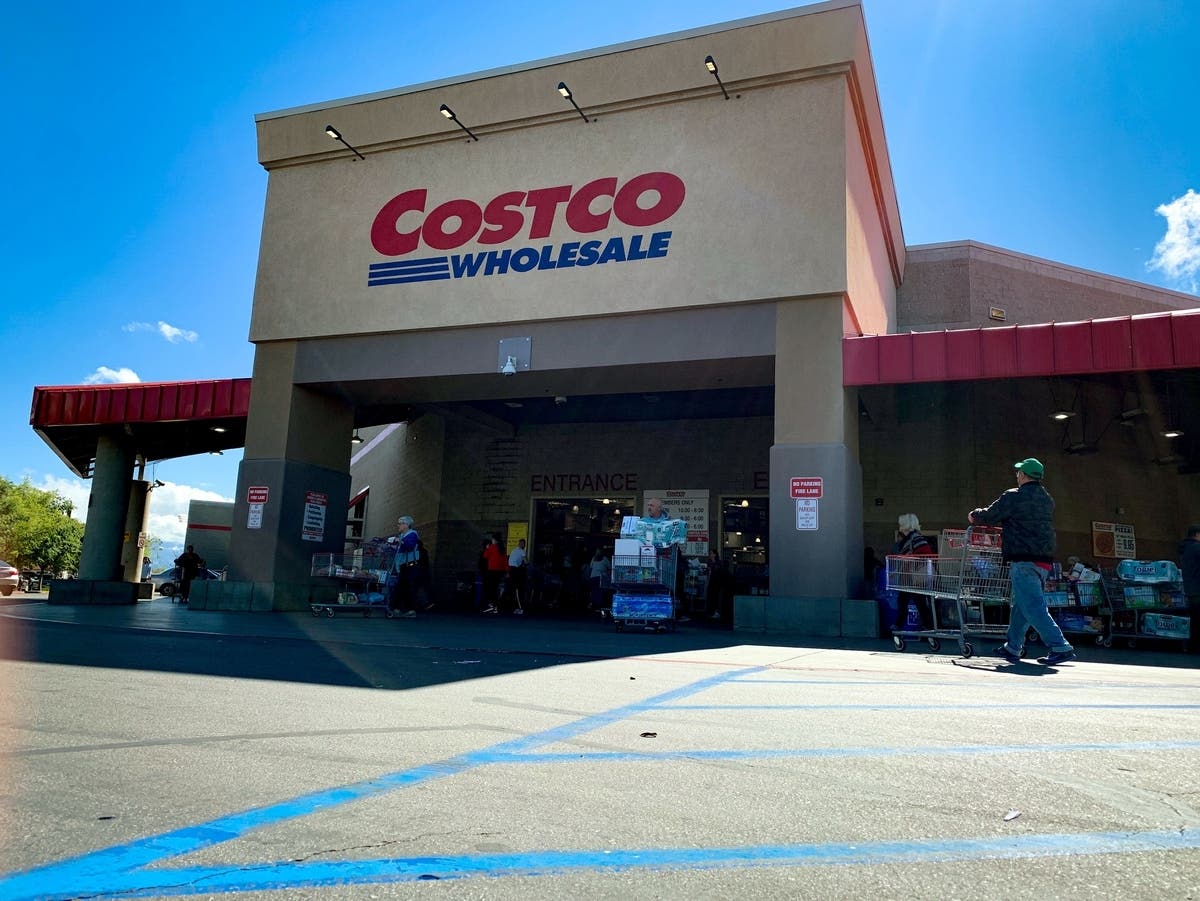
The report revealed Costco Wholesale has emerged as the cheapest retailer to buy groceries nationwide, besting some of the most popular low-cost alternatives, including Walmart, according to a new price comparison survey published Feb. 20 by Consumer Reports. The survey was conducted by Strategic Resource Group (SRG), a consultancy based in New York.
In the Boston metro area, Costco's grocery prices held a 37 percent cheaper margin over Walmart, which was the baseline of the survey. BJ's Wholesale Club and Aldi followed with margins of 21 percent and 8.4 percent cheaper, respectively, according to the survey.
Find out what's happening in Across Massachusettsfor free with the latest updates from Patch.
Per Consumer Reports, most Americans buy their groceries from at least two retailers each week, and the stores they choose can have a significant impact on their total spending.
"When SRG compared prices on baskets of commonly purchased items at mainstream grocery chains in six regionally representative cities across the U.S., the difference between the highest and lowest-priced in each city was more than 33 percent. And when the comparison included the warehouse clubs like Costco and specialty grocers like Whole Foods, the price differences were even more significant," according to Consumer Reports.
Find out what's happening in Across Massachusettsfor free with the latest updates from Patch.
Prices for the survey were collected in person from grocery store shelves in late summer 2025. All of the prices were collected within a 24-hour period in metro areas, and the amounts shown reflected sale prices and discounts available to shoppers using free store loyalty cards, but did not include manufacturer coupons or savings available only through smartphone apps, according to Consumer Reports.
The survey featured six metro markets in the U.S., including Boston, Chicago, Dallas/Ft. Worth, Denver, Los Angeles/Southern California, and Virginia Beach.
Get more local news delivered straight to your inbox. Sign up for free Patch newsletters and alerts.