Community Corner
Food Allergies a Recipe for Disaster
Restaurants and food service businesses in Attleboro and the rest of the state make food allergies a priority.
Lawmakers in the Bay State are forcing eating establishments to take more responsibility when it comes to the food allergies of patrons.
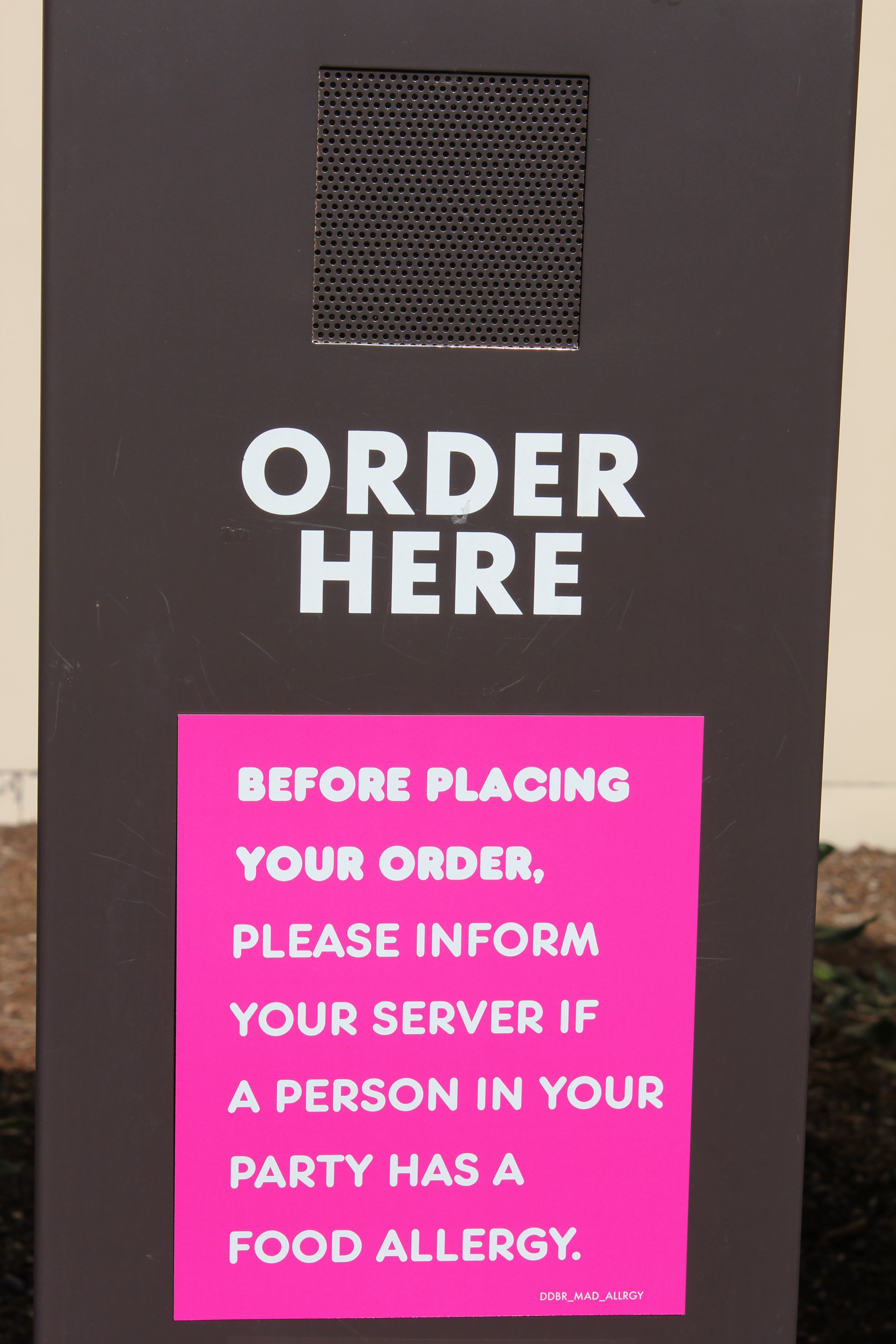
Massachusetts became the first state to pass a law that enforces visible signage at eating establishments, urging customers to state if they have a food allergy. This law tries to help anyone with a food allergy to be safer when eating out.
Restaurants and food establishments, beginning in October, had to place a visible sign on their menus and menu boards urging people to let their server know what foods they are allergic to. You may have noticed , and other restaurants in Attleboro are now featuring this phrase in plain site: "Before placing your order, please inform your server if a person in your party has a food allergy."
Find out what's happening in Attleborofor free with the latest updates from Patch.
And the responsibility does not end there. Beginning February 1, 2011 every food establishment will need to have a Massachusetts Department of Public Health-recognized staff member trained on allergen awareness. The Food Allergy and Anaphylaxis Network (FAAN), the Massachusetts Restaurant Association, Governor Deval Patrick and Ming Tsai, owner of Blue Ginger Restaurant in Wellesley were all key players in implementing this safety requirement.
"I've always said if you are in the restaurant industry, it's your duty to serve everyone safe food," said Chef Ming Tsai.
Find out what's happening in Attleborofor free with the latest updates from Patch.
The most common food allergens listed by the MPDH are milk, eggs, fish, shellfish, tree nuts, peanuts and soybeans. With the added signage, the Food Allergy Awareness Act helps to remind consumers to vocalize their allergies so the risk of exposure to contaminated food is lowered.
If you are in the presence of someone experiencing a food allergy, here are some symptoms that are most common and are to be taken very seriously, according to FAAN. Some signs including: a tingling sensation in the mouth, swelling of the tongue and the throat, difficulty breathing, hives, vomiting, abdominal cramps, diarrhea, drop in blood pressure, loss of consciousness and death. Symptoms typically appear within minutes to two hours after the person has eaten the food to which he or she is allergic.
"With the increasing numbers of persons with life threatening food allergies and more and more people depending on restaurants for meals, food establishments play a vital role in preparing food that is not only free from physical, microbiological and chemical hazards but that is honestly presented," states the Dept. of Health's Food Protection Program Policies, Procedures and Guidelines.
By passing the Food Allergy Awareness Act, state government has set up a line of defense to help those with food allergies help themselves. It is a way to protect consumers and businesses alike.
There was never a debate as to whether it is the patrons' responsibility to tell your server that you have a food allergy or if the server should ask the patron. "People with allergies usually ask questions about ingredients before placing their order," said Paul Albrecht, owner of Park Street Pizza "The most common question asked is whether or not peanut oil is used in the fryolator."