Politics & Government
Rep. Lynch Talks War, Health Care and Cost Cutting at Forum
Congressman Lynch was elected in 2001 and serves a wide area that includes parts of Boston and the South Shore.


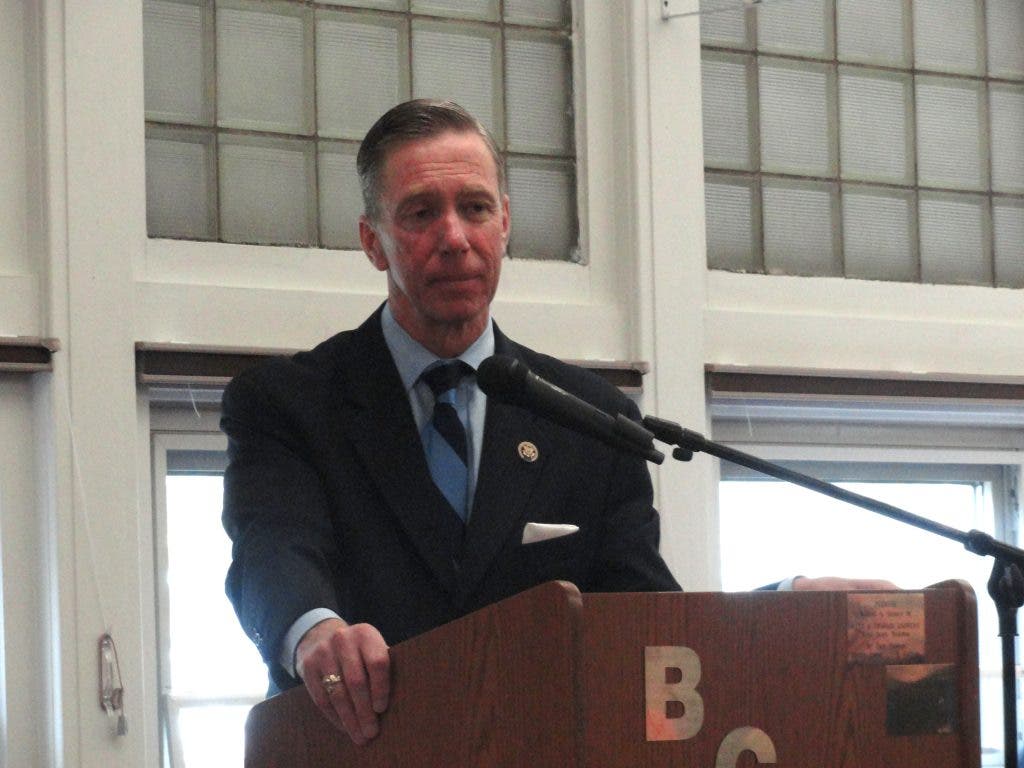


After 90 minutes discussing a wide range of local and national issues, , D-MA, turned the attention of his Braintree audience on Monday morning to South Boston, to a wall stocked full of canned soup.
"Sometimes we get caught up in the lives of the rich and famous," Lynch said, instead extolling the approach of his parents, whose frugality, wrought by living through the Great Depression and World War II, he called an example of the kind of burden sharing America requires to stimulate economic recovery.
"We will get the economy back on track," Lynch said. "It won't be tomorrow but it will be in the medium term... we'll be a better nation going forward."
Find out what's happening in Cantonfor free with the latest updates from Patch.
Along with talk of the economy, gas prices and the ever-rising cost of health care, Lynch delved into the Iraq and Afghanistan wars for extended periods during a Town Hall Forum at Braintree's Department of Elder Affairs Senior Center on Cleveland Avenue.
Lynch, elected in 2001 to Massachusetts' Ninth Congressional District, has made more than a dozen trips to both war torn countries. He supports efforts to bring home more troops, especially in Afghanistan where nearly 100,000 remain, but not so hastily that it jeopardizes progress made and the safety of native women.
Find out what's happening in Cantonfor free with the latest updates from Patch.
"It's a very, very brutal regime," Lynch said of the Taliban, in response to a question about ramping up withdrawal. President Obama has committed to starting that process this summer, but a significant number of U.S. troops will remain for many months ahead.
But even with a graduated drawdown, Lynch said, the problems of training illiterate Afghanis to take over security and dealing with rampant government corruption are still daunting. "I don't think we will have the smooth transition to democracy in Afghanistan that we hoped."
Frank Bocchino, president of Braintree's AARP chapter, asked Lynch why with the United States facing its own financial problems it continues to devote so many resources to foreign aid.
Money to Pakistan, particularly now that Osama bin Laden was discovered and killed on the nation's soil, is definitely under examination, Lynch said. But in many other cases, he stressed, the funding – 1 percent of the U.S. budget – goes to help keep democracies stable in places of turmoil, such as Israel and the Middle East.
"It has to go country by country," Lynch said.
Meanwhile, on these shores, some of those in attendance Monday expressed concern about Social Security, Medicare and the cost of health care in general. When pressed on what he will do to keep down expenses, Lynch lamented parts of the House health care reform bill that did not make it through the Senate last year, especially a public option and the elimination of trust status for insurers.
On Social Security, Lynch said he was dismayed by the lack of an increase the past two years in cost of living for retirees, and pushed a bill that ultimately failed that would have made up for the loss by cutting checks worth $250 per senior. The annual increases have been put off despite rising food and fuel costs, Lynch said, because of the severe dip in housing prices.
Gas prices were an area in which Lynch appeared both frustrated and optimistic. He has urged his colleagues to pass a measure eliminating tax breaks for oil companies making record profits, but also said on Monday that he foresees gas at the pump heading down 70 cents or a dollar over the next few months as a dip in the global market reaches local suppliers.
"Prices go up in a hurry, but they go down very, very slow," he said.
While mostly trying to stay out of the political fray – "They're kicking each other in the shins" – Lynch did take jabs at the chair of the House budget committee Rep. Paul Ryan's 2012 fiscal plan, saying it fundamentally changes Medicare, making seniors pay for more of their health care costs, and also frowned on resistance to removing the George W. Bush tax cuts for those making above $250,000.
"It gave a lot of good things to people who didn't need it," Lynch said.
As for the ongoing debate over raising the country's debt limit from about $14 trillion to cover increasing costs of operating the government, Lynch is adamant on approving the hike by the August deadline despite his five previous votes in the opposite direction.
"There was no need to borrow if we had been honest [circa 2001-2006]," Lynch said. "Now we're in a postion where we have to borrow. The economy is so poor right now, the tax revenues aren't coming in."
Get more local news delivered straight to your inbox. Sign up for free Patch newsletters and alerts.