Community Corner
Cape Cod Beach Closed After Portuguese Man O' War Sighting
A Chatham beach closed over the weekend after the sea creature was spotted. But what is it, and how prominent are they?


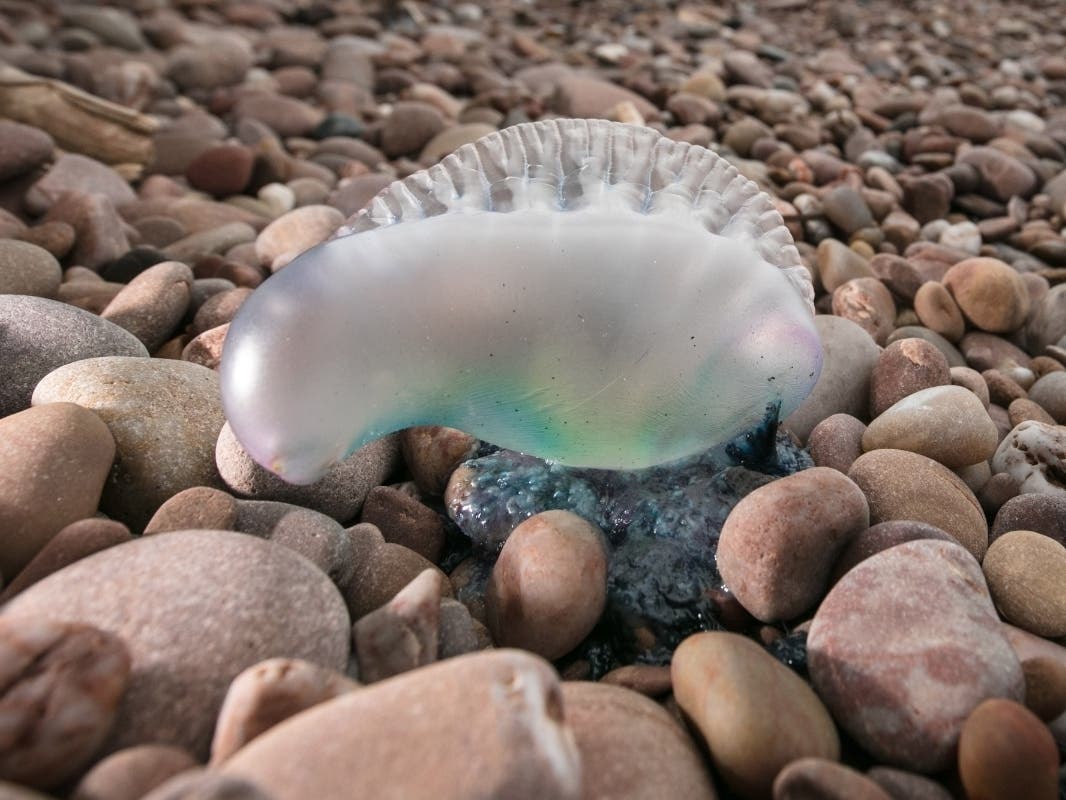
CHATHAM, MA — Harding's Beach in Chatham closed on Saturday afternoon due to sea animal sightings. And no, it wasn't one of the many sharks calling Cape Cod waters home this summer.
Harding's closed after multiple Portuguese man o' wars washed up on the shore, according to multiple reports.
In addition to the Cape Cod spotting, man o' war sightings also closed Horseneck Beach in Westport on Sunday.
Find out what's happening in Falmouthfor free with the latest updates from Patch.
So if these creatures put enough fear into the minds of those with the power to close beaches upon the sight of them, then just what exactly are they?
According to the National Oceanic and Atmospheric Administration (NOAA), the man o' war may look like a jellyfish, but is actually a siphonophore, a species closely related to the jellyfish.
Find out what's happening in Falmouthfor free with the latest updates from Patch.
"A siphonophore is unusual in that it is comprised of a colony of specialized, genetically identical individuals called zooids — clones — with various forms and functions, all working together as one," a NOAA article explains.
These sea creatures are typically found in tropical and subtropical waters, and can sometimes float in groups of 1,000 or more, according to the article.
Man o' war are recognizable by their blue, violet and pink color, and are feared for their tentacles of the same unique color. According to NOAA, these can grow to an average of 30-feet, and may extend upwards of 100-feet.
Though stings aren't typically deadly for humans, they are painful. Even if you spot one that's washed ashore, steer clear. Man o' war can sting even after weeks of being on shore, according to NOAA.
Get more local news delivered straight to your inbox. Sign up for free Patch newsletters and alerts.