Schools
Hingham Schools Resume After Sandy Hook Shooting
Most Hingham teachers were encouraged not to dwell on the Newtown, Conn. shooting in order to avoid stress from students.


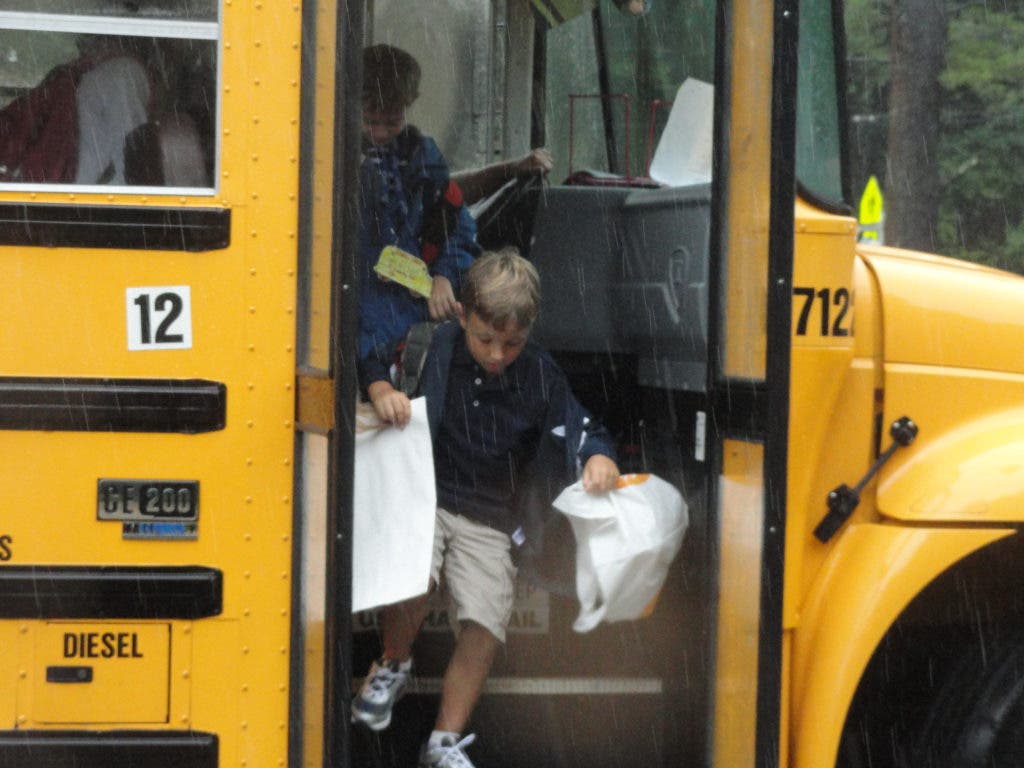
After the heinous shooting at Sandy Hook Elementary School, Hingham schools held classes on Monday with the hope of making students feel as safe as possible.
Plymouth River School Principal Chuck Cormier informed parents that all students appeared comfortable on Monday and communicated little anxiety.
The school conducted a morning meeting with an emphasis on the safety of the school for all students in grades 3-5, and responded to questions. For students in Kindergarten to second grade, the teachers were encouraged to avoid dwelling on this topic with the young children.
Find out what's happening in Hinghamfor free with the latest updates from Patch.
“All teachers reported that our students spoke very little about the event and discussions that were necessary in the classroom went well, Cormier said.
At the East School, extra staff members appeared at the school entrance on Monday to greet students who may be hesitant to enter the building. Principal Tony Keady said the shooting would not be addressed unless a student expressed concerns.
Find out what's happening in Hinghamfor free with the latest updates from Patch.
“There is no plan to formally address or inform the students about the tragedy in Connecticut.,” Keady said in an email. “Classroom teachers are prepared to respond to the feelings that students may express as a part of the normal classroom routines (such as morning meeting). Classroom teachers will not be prompting students to discuss what happened, but will be responding to the cues from the children. “
At the the recent tragedy was recognized during the morning notices and principal Roger Boddie said the school is doing its best to run a normal school day. HMS parents were also encouraged to contact the school if their child was experiencing any concerns.
“I encourage you to hug and talk with your children each and every day,” Boddie said on Friday afternoon.
The goal of the South School was to make Monday's classes as normal as possible.
South School Principal Mary Eastwood said the school was full of happy children.
"Today has been a 'slice of normal' for all," Eastwood said on Monday afternoon. "Seeing the smiling faces of your children has been a gift to all of us."
At the Foster School, Principal Debbie Stellar held an early staff meeting where teachers reviewed emergency protocols and discussed how they would respond to students with questions about the Connecticut tragedy.
"We have had a marvelous Monday," Stellar said. "Students have been engaged and involved throughout the day. Where there have been questions, teachers have responded appropriately."
Foster will now lock their entrances before 8:10 a.m. and will ask parents and guardians to identify themselves before they enter the building.
"It may take you longer to pick up or drop off your children," Stellar said in an email to parents. "If we don’t recognize who you are, you may hear 'How can I help you' or 'Could you look into the camera' before the door unlocks. This ensures that we recognize everyone who enters or we are aware of the purpose of the visit."
On Friday Hingham Schools Superintendent Dr. Dorothy Galo said Hingham Public Schools has a state mandated crisis plan in place in case a school shooting ever took place.
"We do practice evacuation and lock down drills at all levels," wrote Dr. Galo in an email to Patch. "Buildings all have locked doors during the day. Doors are open at beginning and end of the day for entry and dismissal."
The following was sent home to every elementary school parent:
Talking to children about violence: Tips for Parents and Caregivers
High profile acts of violence, particularly in schools, can confuse and frighten children who may feel in danger or worry that their friends or loved-ones are at risk. They will look to adults for information and guidance on how to react. Parents and school personnel can help children feel safe by establishing a sense of normalcy and security and talking with them about their fears.
1. Reassure children that they are safe. Emphasize that despite this tragedy, schools are very safe. Validate their feelings. Explain that all feelings are okay when a tragedy occurs. Let children talk about their feelings, help put them into perspective, and assist them in expressing these feelings appropriately.
2. Make time to talk. Let their questions be your guide as to how much information to provide. Be patient. Children and youth do not always talk about their feelings readily. Watch for clues that they may want to talk, such as hovering around while you do the dishes or yard work. Some children prefer writing, playing music, or doing an art project as an outlet. Young children may need concrete activities (such as drawing, looking at picture books, or imaginative play) to help them identify and express their feelings.
3. Limit television viewing of these events. Limit television viewing and be aware if the television is on in common areas. Developmentally inappropriate information can cause anxiety or confusion, particularly in young children. Adults also need to be mindful of the content of conversations that they have with each other in front of children, even teenagers, and limit their exposure to vengeful, hateful, and angry comments that might be misunderstood
4. Maintain a normal routine. Keeping to a regular schedule can be reassuring and promote physical health. Ensure that children get plenty of sleep, regular meals, and exercise. Encourage them to keep up with their schoolwork and extracurricular activities but don’t push them if they seem overwhelmed. Children may exhibit fears of going to school but it is important to calmly tell them that their school is safe and they are expected to be there. If you are worried about your child’s reaction alert their teacher, or other staff (Principal, Asst Principal, nurse, School Psychologist, Adjustment Counselor) but hold the line; maintain the schedule.
Suggested Points to Emphasize When Talking to Children
- Don’t dwell on the worst possibilities. Although there is no absolute guarantee that something bad will never happen, it is important to understand the difference between the possibility of something happening and the probability that it will affect our school.
• Senseless violence is hard for everyone to understand. Doing things that you enjoy, sticking to your normal routine, and being with friends and family help make us feel better and keep us from worrying about the event.
• Sometimes people do bad things that hurt others. They may be unable to handle their anger, under the influence of drugs or alcohol, or suffering from mental illness. Adults (parents, teachers, police officers, doctors, faith leaders) work very hard to get those people help and keep them from hurting others. It is important for all of us to know how to get help if we feel really upset or angry and to stay away from drugs and alcohol.
• Stay away from guns and other weapons. Tell an adult if you know someone has a gun. Access to guns is one of the leading risk factors for deadly violence.
• Violence is never a solution to personal problems. Students can be part of the positive solution by participating in anti-violence programs at school, learning conflict mediation skills, and seeking help from an adult if they or a peer is struggling with anger, depression, or other emotions they cannot control. Sometimes helping children have a concrete way to help (make cards to send to the students at the effected school; make donations to anti-violence programs…)
Material drawn from National Association of School Psychologists
Get more local news delivered straight to your inbox. Sign up for free Patch newsletters and alerts.