Schools
Hingham Whiz Kids: HHS Cultural Exchange Students
HHS seniors learn and teach life lessons in a third world country.


Names: Elizabeth Anthony, Christopher Battaglia, Julia Krumholz, Julia Spruiell
Find out what's happening in Hinghamfor free with the latest updates from Patch.
Key to Awesomeness: Courage
Accomplishments:
Find out what's happening in Hinghamfor free with the latest updates from Patch.
Living in La Pintada, Panama in a village located in Cocléthe, the second poorest district in the country, four Hingham High School seniors, along with Hingham Spanish teacher and two seniors from Georgetown, impacted the lives of a community.
The HHS seniors Elizabeth Anthony, Christopher Battaglia, Julia Krumholz and Julia Spruiell lived in the village for two weeks during August.
Appreciating the opportunity to be culturally emerged in a place far from the manicured lawns and beautiful houses in the town they call home, the students were intrigued by the chance to live with a host family and make a difference for a community that does not have as much money as their own.
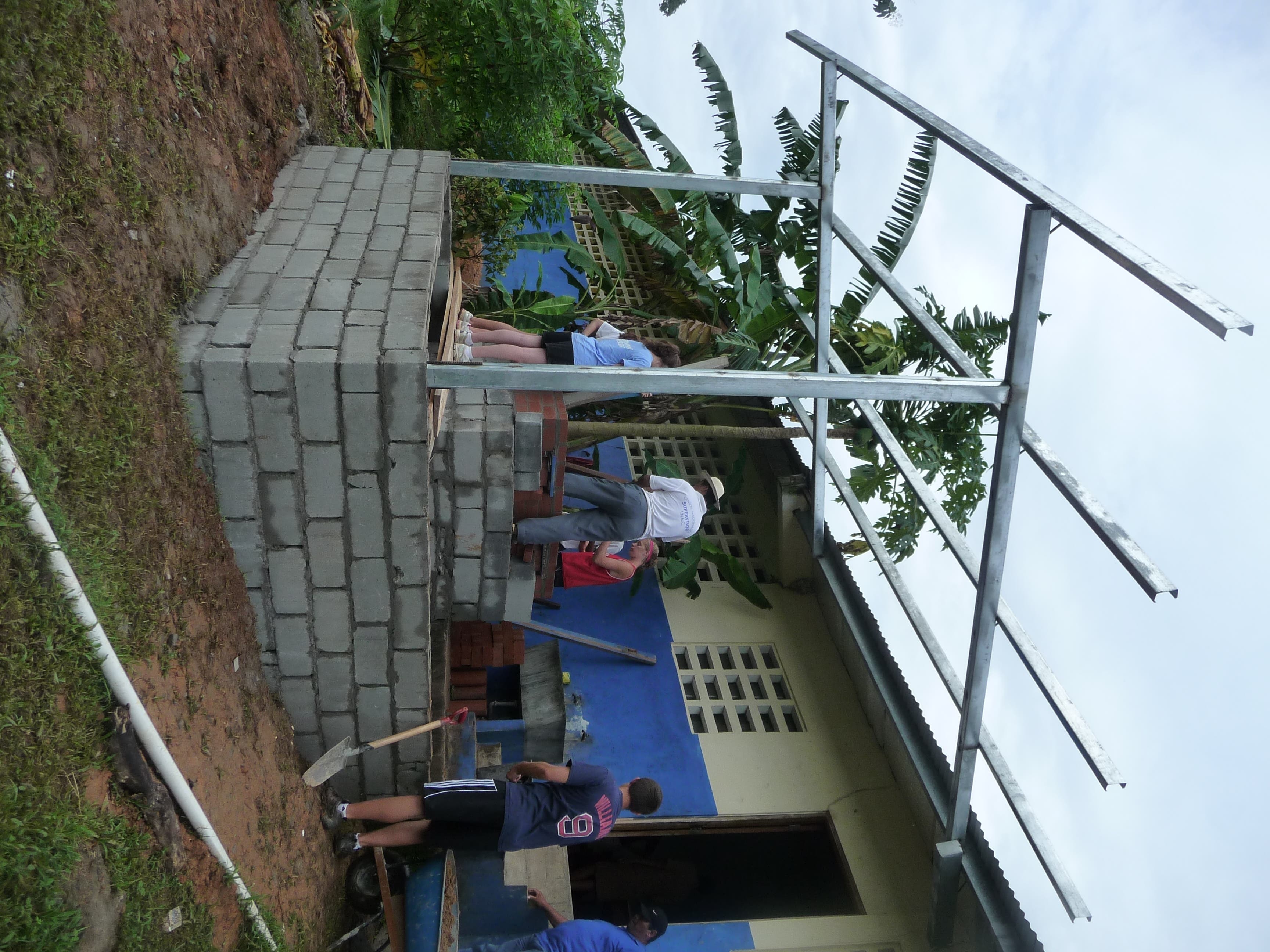
The outdoor stove they built for the Jose Nadal Silva Primary School in La Pintada, means about 150 children now get créma, a thick, hot cornmeal drink chock full of vitamins and calories, in a culture where young children have trouble getting proper nutrients.
While proud of their gift, it is their interaction with the school children that they treasure most – like memories of teaching “heads, shoulders, knees and toes.”
Each student created special bonds with their host family, primarily through helping children with English homework, and learning Spanish from the whole family.
Krumholz said she was not allowed out of the house without her 10-year old host cousin, Andrés. He taught her Spanish, and she taught him American card games. All students reported that “Go Fish” was a Panamanian favorite.
Anthony includes the day they visited the indigenous village of Embara Drua among her highlights.
“The village lives exactly like the indigenous people have lived for hundreds of years” said Campbell.
Spruiell’s family was overweight – a sign of wealth in Panama.
Battaglia noticed things were less expensive than in the US - food, clothing, and Red Bull- and said the dogs were treated like people. Stray dogs there are not frowned upon, and all dogs eat human food he said, adding that the dogs are not overweight.
While cold showers, roosters cock-a-doodle-ing all night, and food far different created challenges, everyone enjoyed the daily afternoon “tipico” lessons – a Panamanian dance.
The biggest surprise: everyone has cell phones.
The third world country also enjoys TV, radio, Nintendo and internet café. One student said “the TV is always on, they love soap operas.” Americans are treated like celebrities - villagers prized student autographs.
When all is said and done, they returned with a deeper appreciation of family and for the way families of other cultures live.
“I became a more diverse person, said Battaglia. “I grasped what another culture is and brought that into who I am. I will carry that experience with me for life.”