Neighbor News
Summertime Safety: Tips for Camping
By Dr. Jack Cornwell, Medical Director, CareWell Urgent Care
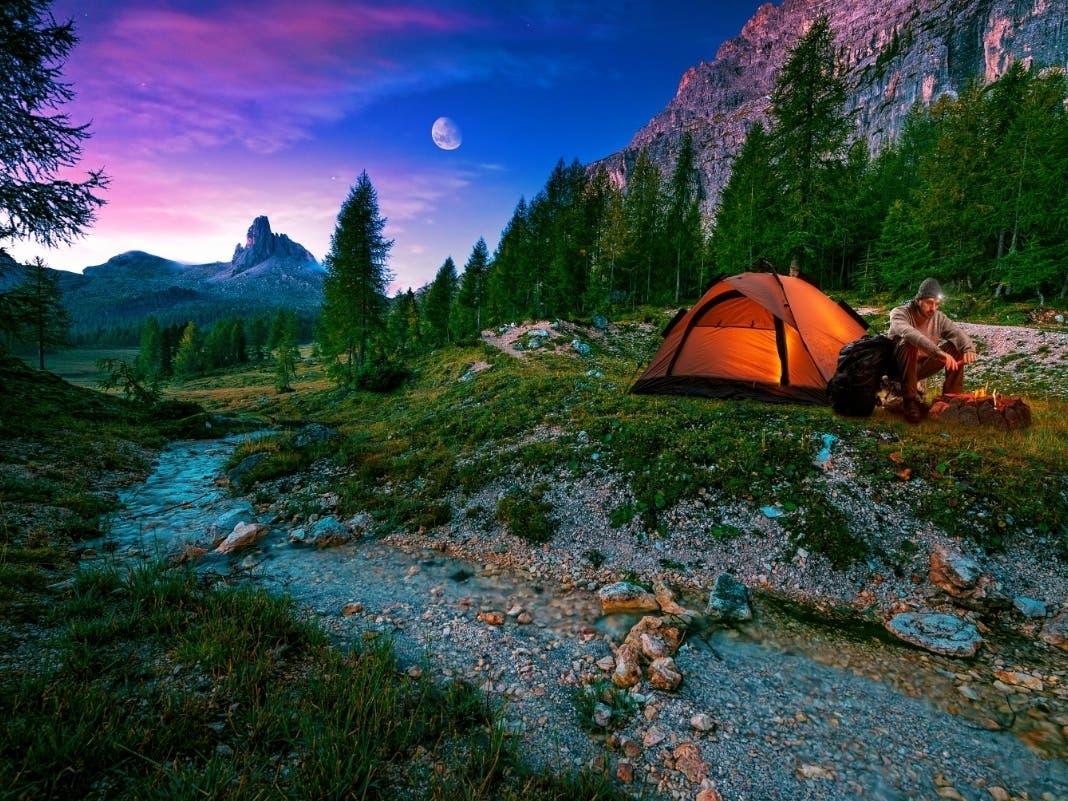
Sitting around a campfire and enjoying the company of friends and family can offer much needed stress relief from the hustle and bustle of everyday life. While camping can be a great summertime activity, there are certain precautions and safety measures, especially regarding fire safety, food storage and insect deterrents, you should employ to decrease your risk of health hazards while enjoying the great outdoors.
Avoid the Burn
A campfire for keeping warm or roasting marshmallows may be a necessity for your camping trip. But a fire that is not handled with the utmost of care has the potential to be a serious health hazard for you and those around you.
Find out what's happening in Marlboroughfor free with the latest updates from Patch.
When building a fire, it is important to make sure that the area is far away from low-hanging tree limbs and sheltered areas. It is also important to assemble your campfire in a fire ring, grill or fireplace and to clear the area of any dry leaves or twigs, as they can spread the reach of the flames. While tending the fire, never put your limbs or face in direct line of the flames as burns can cause blistering to severe skin damage. Be mindful of the amount and direction of the smoke your fire emits, as prolonged bouts of direct smoke exposure can irritate your eyes and damage the lining of your respiratory tract. Additionally, when cooking over a campfire, be sure to use tongs or gloves to protect your hands when transitioning containers to-and-from the flames.
It is always critical to have a bucket of water nearby your campfire. When it is time to extinguish your flames, douse the firepit with water. If you do not have water, snuff out the fire by shoveling dirt and sand until all the embers are cool. However you smother your fire, do not leave the area until the site is cold enough to touch.
Find out what's happening in Marlboroughfor free with the latest updates from Patch.
Avoid the Stomach Bug
If camping for an extended period, be mindful of how you store your food. Food that is not packed and stored properly can cause illness and attract wildlife to your campsite. When planning meals for your camping trip, keep in mind that many items will need to be transported and stored in a cooler with ice. It is important to keep perishable items (meats, poultry, pasta salad) cold before cooking and store leftovers at a similar temperature. Canned, dried and dehydrated foods are often easier and more manageable to bring, as well as safer to store.
Packing food in tightly-sealed, separate containers, especially for raw and cooked foods, prevents the mixing of raw and cooked foods which may lead to food poisoning or something more sinister, such as E.Coli or salmonella. To avoid food-borne illness, keep foods at proper storing temperatures. Employ coolers and insulators to keep animals and bacterial diseases away.
Avoid the Bite
Mosquitoes and ticks pose serious health hazards and bothersome itching to those who suffer from their bites. These insects have the potential to carry serious, and even life-threatening illnesses such as malaria and lyme disease. The best and most effective way to avoid bug bites is by spraying your body and clothing with bug repellent that includes DEET. Wearing light colored, loose clothing, high socks and long pants outdoors will also help in the deterrent of insects. Extended stays outdoors require continuous checks of your body and clothing for ticks, as a hastened response is most beneficial should you be bitten.
If you do sustain a bug bite, it is important not to scratch at the bite site, for itching can cause irritation or break the skin, making it susceptible to more bug bites and infection. You can abate the discomfort with ice or aloe vera, as well as bandage the bite to prevent further scratching. If possible, bring an anti-itch agent, antihistamine or an over-the-counter hydrocortisone cream to soothe the itching sensation.
Should you discover that a tick has bitten you during your outdoor activities, don’t panic. To remove the tick, use a pair of tweezers to grasp the bug as close to the skin as possible. Pull slowly and steadily so you can remove the entire insect. Pulling too forcefully will allow the head to remain attached to your skin and infect you. The sooner you discover a tick on you or a family member, the quicker you can act.
If by chance you sustain an injury from a campfire, or suffer from a food or insect related incident while camping, a stop at CareWell Urgent Care will get you back to feeling well enough to enjoy the great outdoors during the summertime.