Neighbor News
Four things to know about Guillain-Barre syndrome
Neurologist David Miller offers four things to know about Guillain-Barre syndrome.
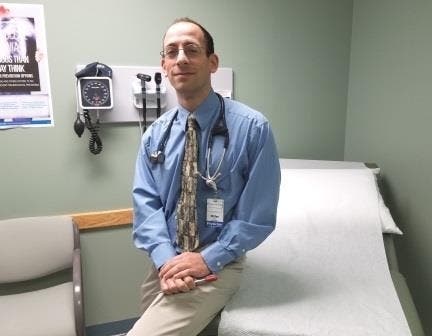
Although rare, Guillain-Barre syndrome can have dramatic impact on those affected. Dr. David E. Miller, a Tufts Medical Center Community Care neurologist with an office at Lawrence Memorial Hospital in Medford, offered four things to know about Guillain-Barre.
What is Guillain-Barre syndrome?
Guillain-Barre syndrome is a post-infection auto immune disorder affecting the nerves and nervous system. Symptoms typically begin presenting a few days following an infectious illness such a respiratory infection or the stomach flu. Although it is not fully understood why it occurs, it appears that the immune system, which normally attacks invading organisms such as infections, is mistaking the body for a lingering infection and begins attacking the nerves.
Find out what's happening in Medfordfor free with the latest updates from Patch.
What are the symptoms?
Symptoms of Guillain-Barre include a general weakness or numbness, typically starting in the feet or fingertips and then progressing to muscles that are more proximal to the torso. Symptoms tend to quickly spread and then peak within two-to-four weeks. The severity of these symptoms varies. For some it may just remain as a mild weakness, others may not be able to walk, and in some more severe cases it could affect the patient’s ability to breathe or cause cardiac issues.
Find out what's happening in Medfordfor free with the latest updates from Patch.
How is it treated?
Since Guillain-Barre can affect the heart and breathing, most patients will be treated and watched in an intensive care unit at a hospital. Although there is no known cure for Guillain-Barre, there are treatments that can ease the symptoms and reduce the duration of illness. These may include medications to lessen nerve pain, or therapies to reduce the duration of illness such as intravenous immunoglobulin therapy (IVIG), which consists of antibodies from blood donors, or a treatment called plasmapheresis, a process that filters the blood and removes harmful antibodies. Plasmapheresis is a procedure done similarly to dialysis; however, it specifically removes antibodies from the plasma portion of the blood. Following acute treatment in the ICU, treatment typically includes extensive physical and occupational therapy.
What is recovery like?
Most people affected by Guillain-Barre make a full recovery, but it can often take up to a year, depending on the severity of the syndrome. Everyone is different and no two cases are exactly identical. There are some people who may experience some long-term problems including difficulty walking, numbness and tingling in arms and legs, muscle weakness and balance issues.
It is important to find the right support for your recovery. This may include physical and occupational therapists, counselors for your emotional needs and support groups of individuals who have also had Guillain-Barre syndrome.
David E. Miller, MD, is a neurologist at Tufts Medical Center Community Care. He sees patients at Lawrence Memorial Hospital in Medford. For more information or to make an appointment, call 781-213-5201.