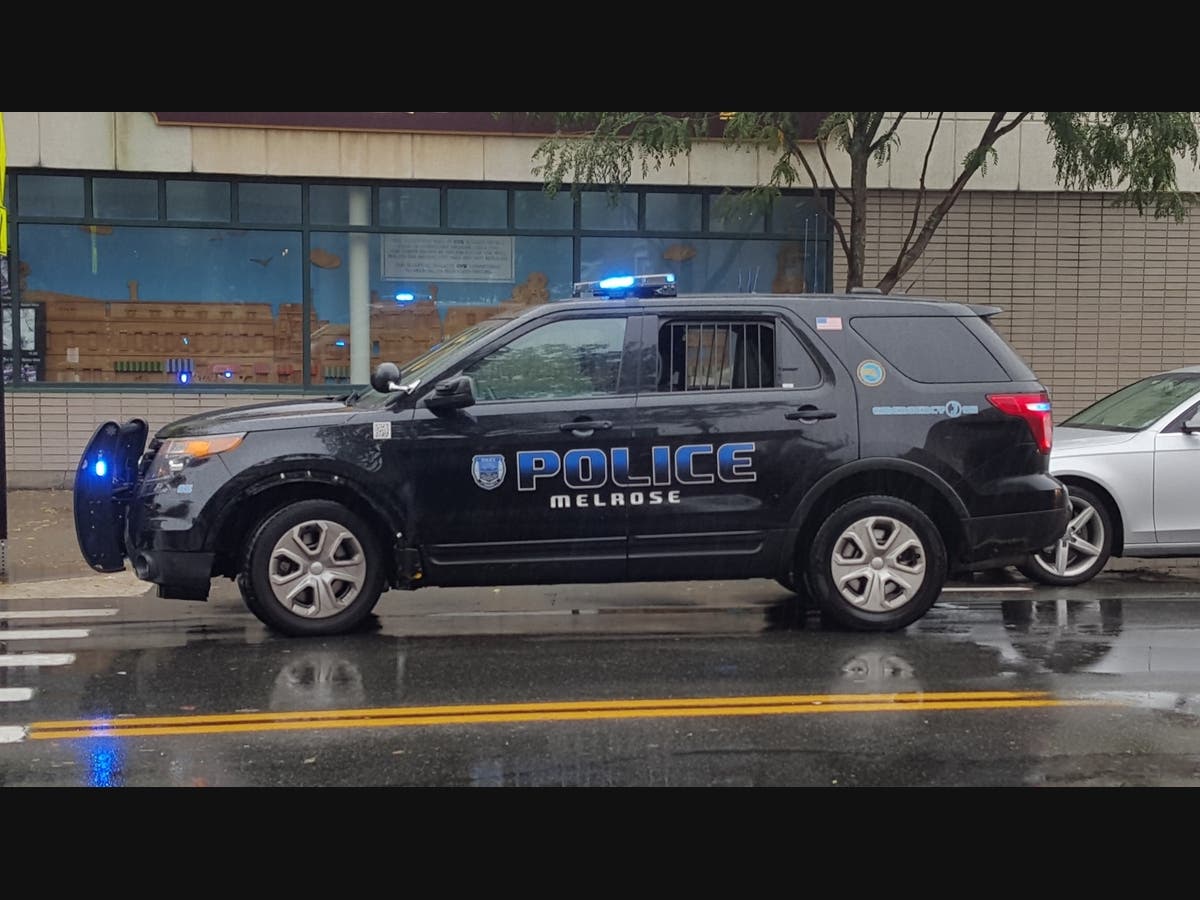
Commuters pass by historic places of interest on a daily basis. It's great to be paying attention to the roads,please continue to do so and to consider your safety and the safety of others on our roads when you are behind the wheel. However,if stuck in a traffic jam, take note of how many of New England's historic homes are located directly on or very near to heavily trafficked roads.
Make a mental note of the locations of these museums and consider driving back to explore them in your free time. The first in a series of "Roadside History" articles was published in The Melrose Patch and began when members of the Upham Family Society opened the doors to the 17th century saltbox, known as The Phineas Upham House, for public viewing earlier this summer. Its location, 255 Upham Street, Melrose.

The Phineas Upham House, Melrose, Ma
The maroon sign just in from of The Phineas Upham House has beckoned visitors to come in for years. Upham Family Society membbers and its caretaker invited guests to view the property inside and the gardens surrounding the home on a warm summer day. Readers who may have missed the occasion are not to worry. Arrangements can be made through the Upham Family Society for a private tour. School groups have also been welcomed. Geoffrey Rendall is the President of The Upham Family Society. The organization also has its own website.
Roadside History articles and photographs will be featured monthly as travels continue. This month's attraction is located at 149 Pine Street, Danvers, Massachusetts. How many times have you driven by the Rebecca Nurse homestead? Do you know her story?
Find out what's happening in Melrosefor free with the latest updates from Patch.

Guests are welcome to tour the property when this flag is flying.
Our tour began with a replica of a 17th century church/meeting house built specifically on the property for the filming of "Three Sovereigns For Sarah."
Find out what's happening in Melrosefor free with the latest updates from Patch.
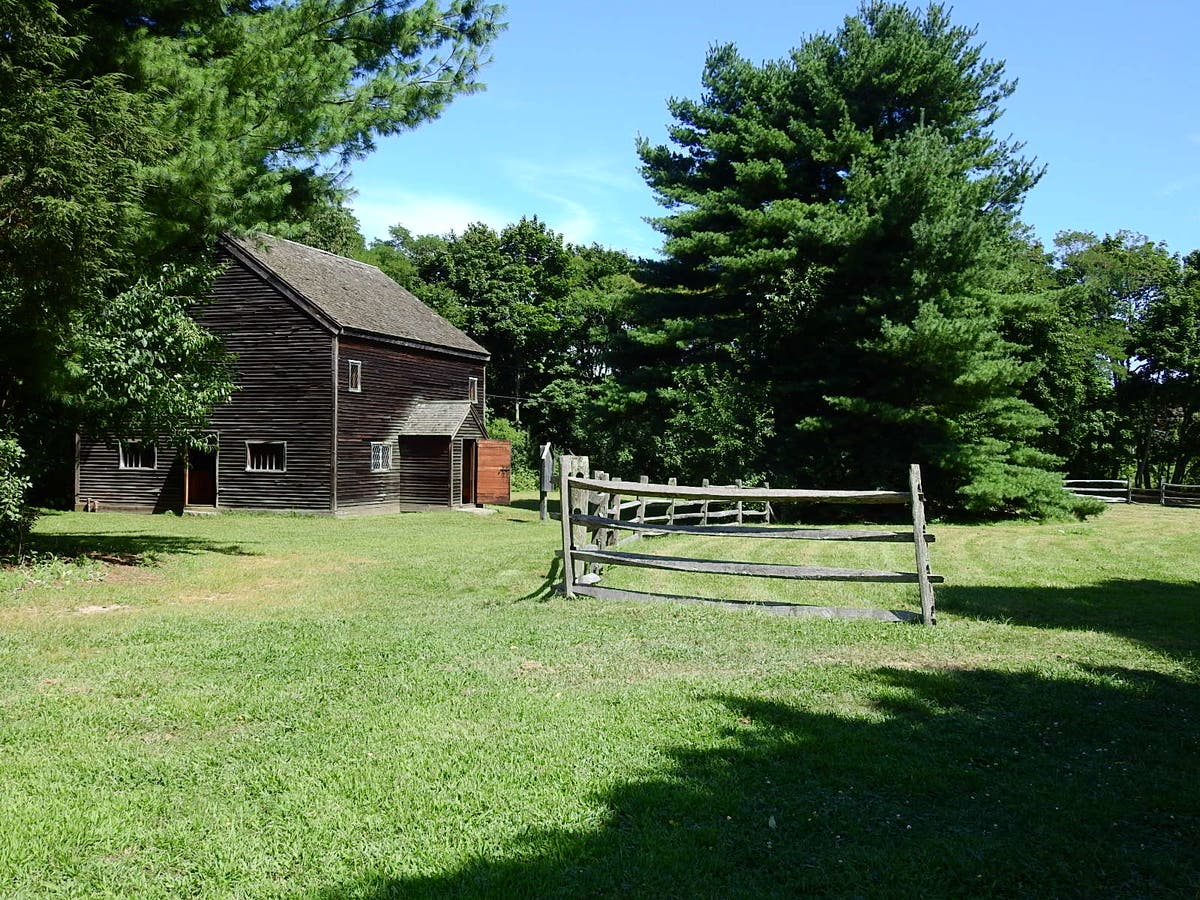
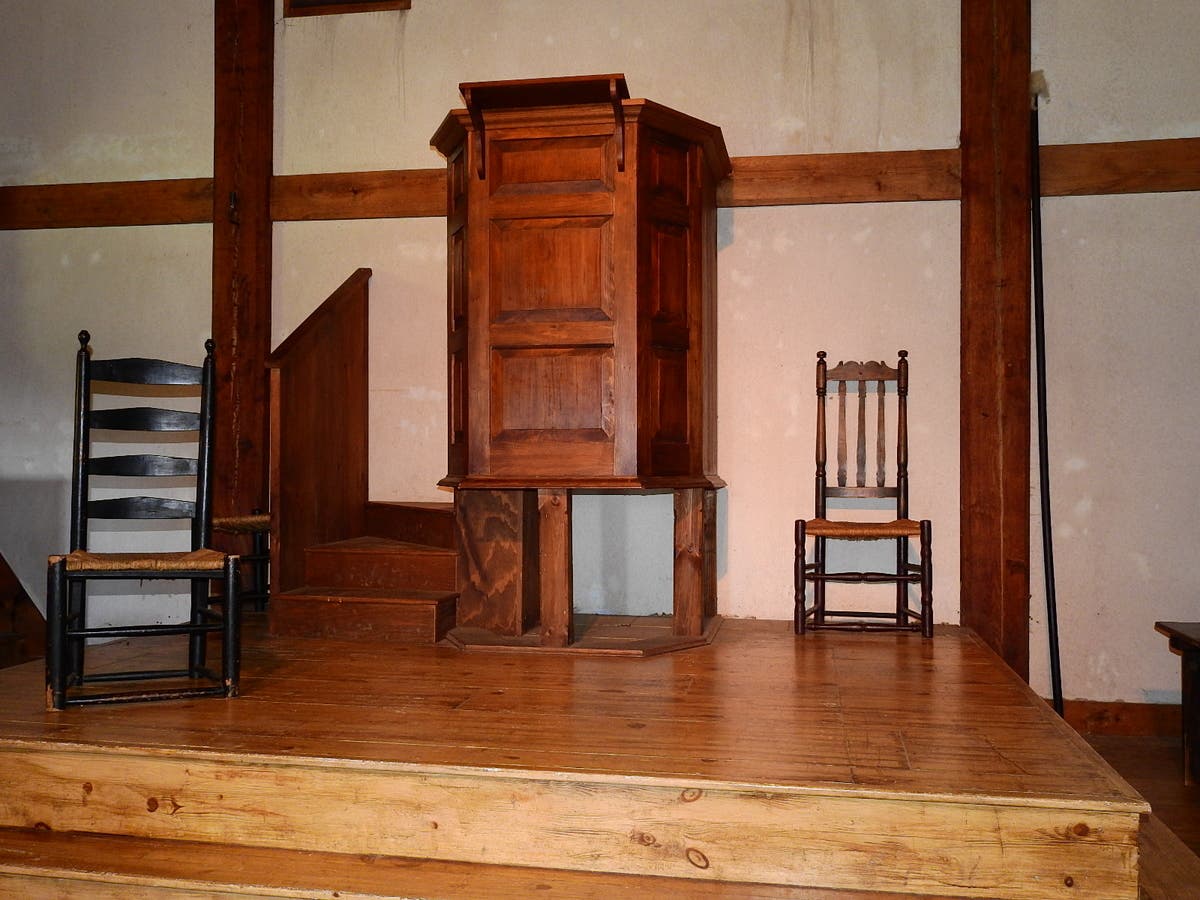
The "set" for the movie, Three Sovereigns for Sarah still remains on the grounds of The Rebecca Nurse House.
Rebecca Nurse was one of many hanged or pressed to death during the witchcraft hysteria of 1692. Despite 39 of her neighbors attesting to Nurse being a "woman of good Christian character," according to Candice Dawes, her fate was in the hands of the Judges (Judge John Hawthorne and Judge Jonathan Corwin) and jurors.

Tour guide, Dan Gagnon, relating a wealth of knowledge about The Rebecca Nurse House.
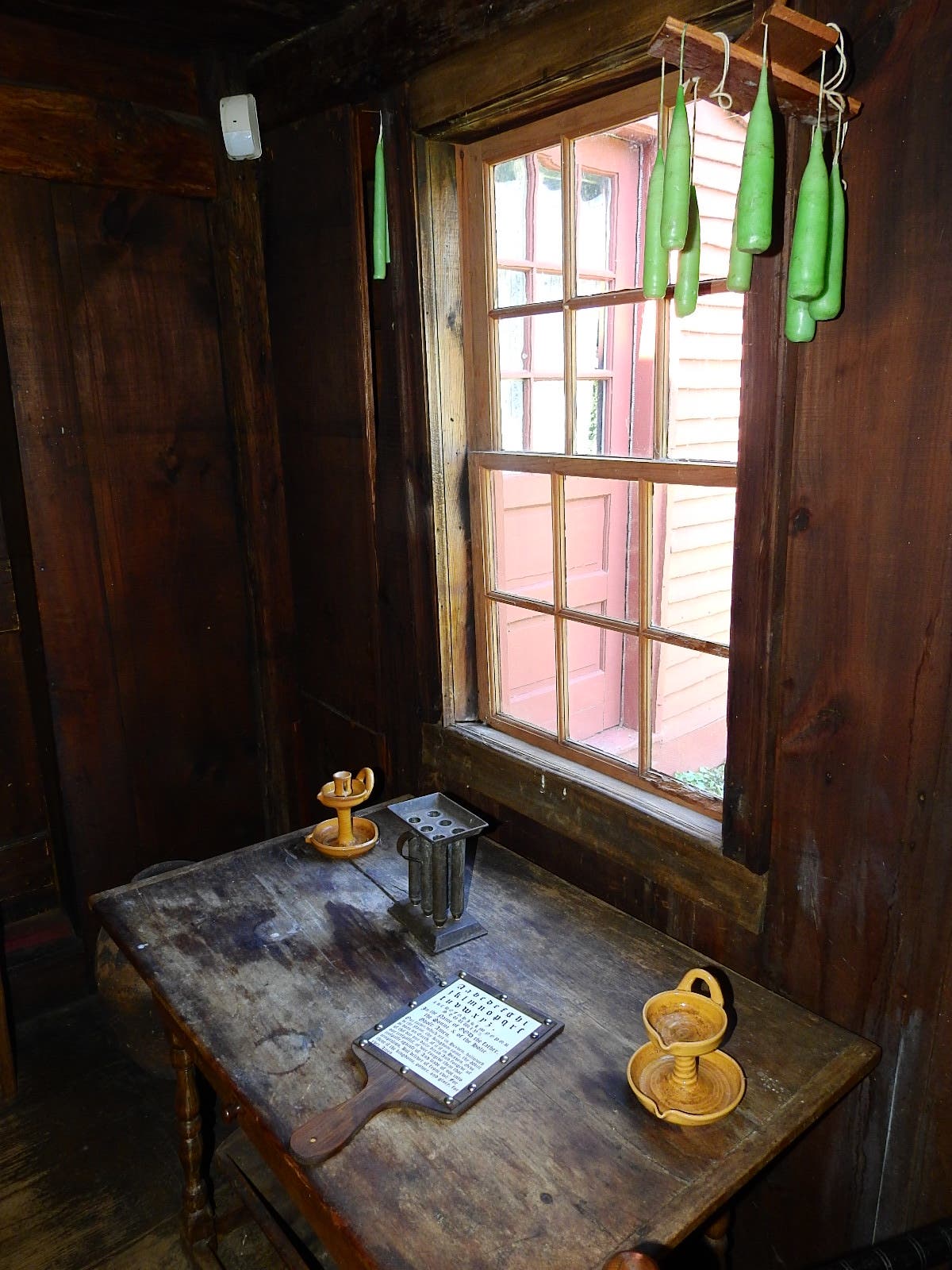
This portion of The Rebcca Nurse homestead said to be an add-on
Nurse, was accused of being a witch during the witchcraft hysteria of the late 1600s. Nurse was hanged despite having gone through one trial and having been acquitted. Documentation regarding the trial explains what happened following her first trial in which she was found "not guilty." At the age of 71, she underwent a second trial due to a remark she made made about another accused person, which was overheard in the court. An explanation of both cases continues,"Her trial began on June 30, 1692. In accordance with the procedures at the time, Mrs. Nurse, like others accused of witchcraft, represented herself since she was not allowed to have a lawyer. By dint of her respectability, many members of the community testified on her behalf, including her family members. Often the "afflicted" would break into fits and claim Nurse was tormenting them. Such so-called "spectral evidence" was allowed into the trial to show that Satan was afflicting others in the community at the behest of the accused. In response to their outbursts Nurse stated, "I have got nobody to look to but God."
In the end, the jury ruled Nurse not guilty. Due to the public outcry and renewed fits and spasms by the "afflicted", the judges reviewed her case with the jury. One particular point was emphasized, and the jury requested a second chance of deliberation (a legal practice used in those days). The jury asked Rebecca to explain her remark that another accused witch, Deliverance Hobbs, was "of her company", the implication being that they had both signed a pact with the Devil. Fatally, Rebecca, who was hard of hearing, did not hear the question: she later explained to her children that she was referring to this woman as a fellow "accused" witch. However the jury had changed their verdict and sentenced Nurse to death on July 19, 1692. In view of the urgent pleas of her family, and the abundant evidence of her good character, including a moving letter from the foreman of Nurse's jury, the Governor of Massachusetts, Sir William Phipps, granted a reprieve, only for it to later be rescinded" (Wikipedia)
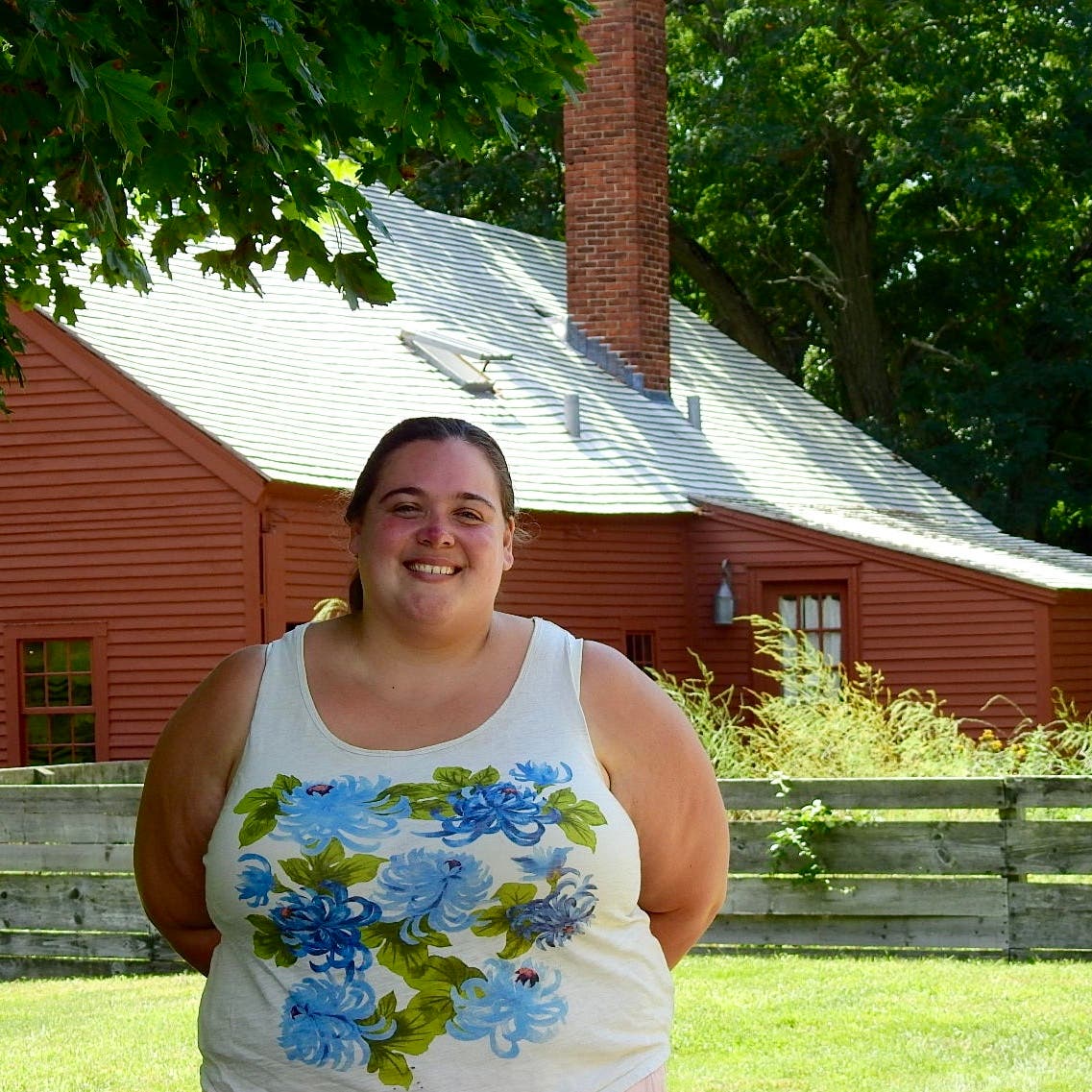
Candice Dawes, Group Reservations and Shop Manager also shared her knowledge of the Rebecca Nurse home and its grounds.
Once a property of 300 acres, it has dwindled down to approximately 27 or 28 acres over the years. The land is no longer farmed by the family but the current section of land is also part of the Essex Heritage sites around the New England area. Gagnon also showed guests on the property that day artifacts that were discovered by students of the University of Southern Maine as they studied history and pieces related to that time period.
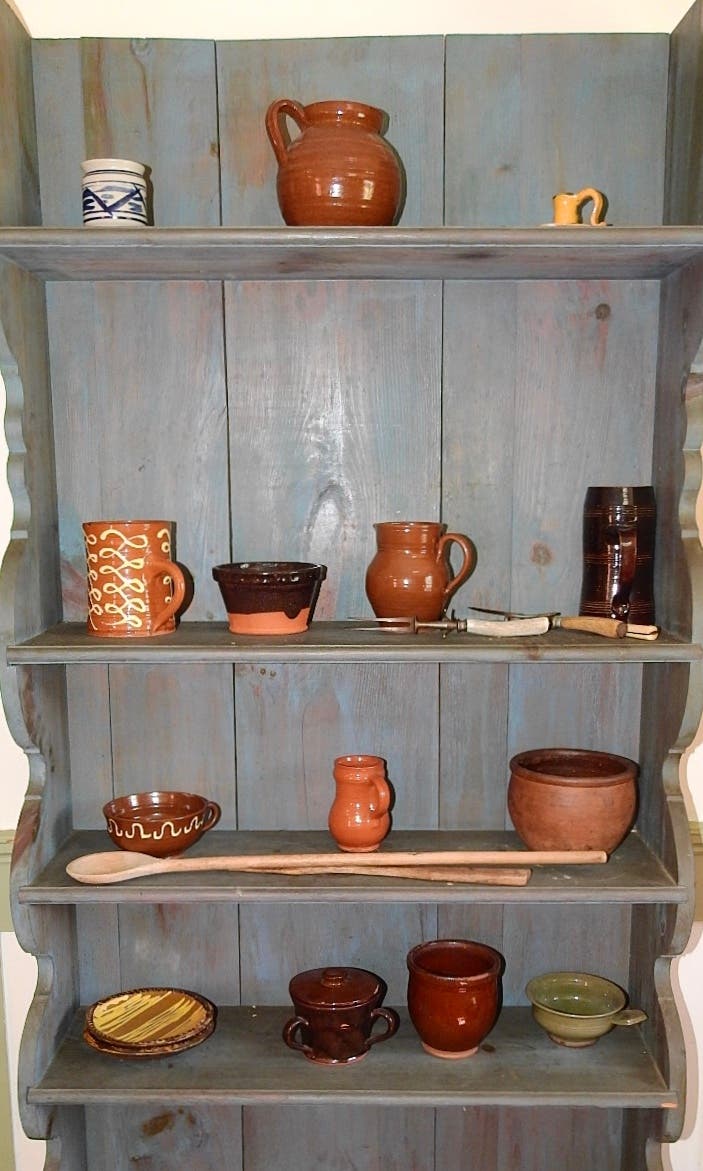
Items on display in the museum section.
It is also worth the walk toward the gravesite of not only Rebecca Nurse but to view a memorial to the 39 neighbors who spoke on her behalf.
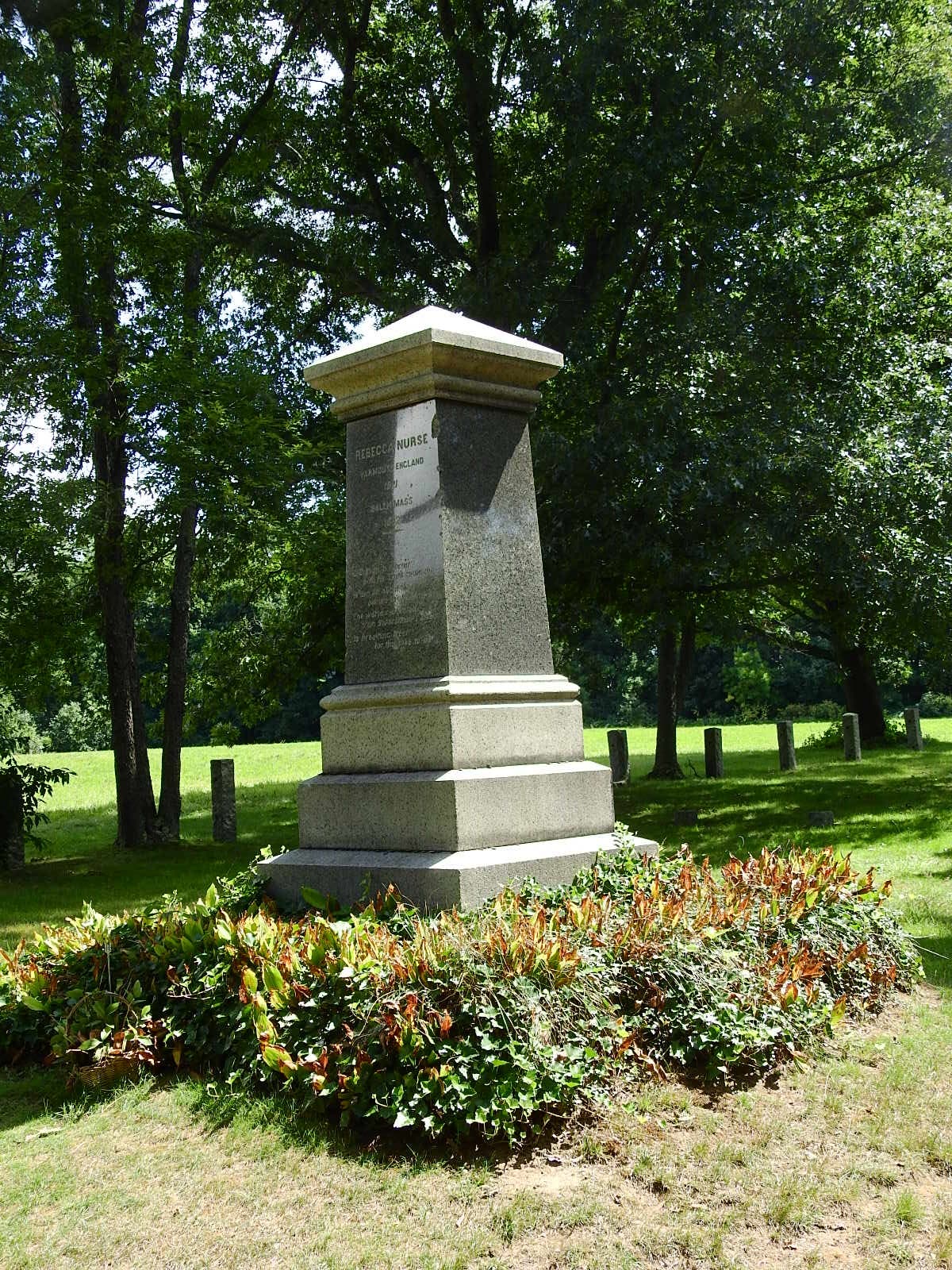
Burial spot for Rebecca Nurse
Each of these historic homes visited will be featured in upcoming writings and/or photo essays as this Roadside History tour continues. There are many other homes and museums, sometimes hidden from main roads that are also worth visiting. Concentration in future articles will focus on those historic homesteads that can be seen directly on or closest to main thoroughfares.
As another note of interest as readers visit places of interest in Danvers or Salem, signs are posted as to which locations are believed to be that of the home of Reverend Samuel Parris and more concerning the history of Danvers and Salem. These, as well, are directly on main roads. Stay alert and be careful as you drive. Several parking spaces are nearby and our readers will find these are within easy walking distance of them.
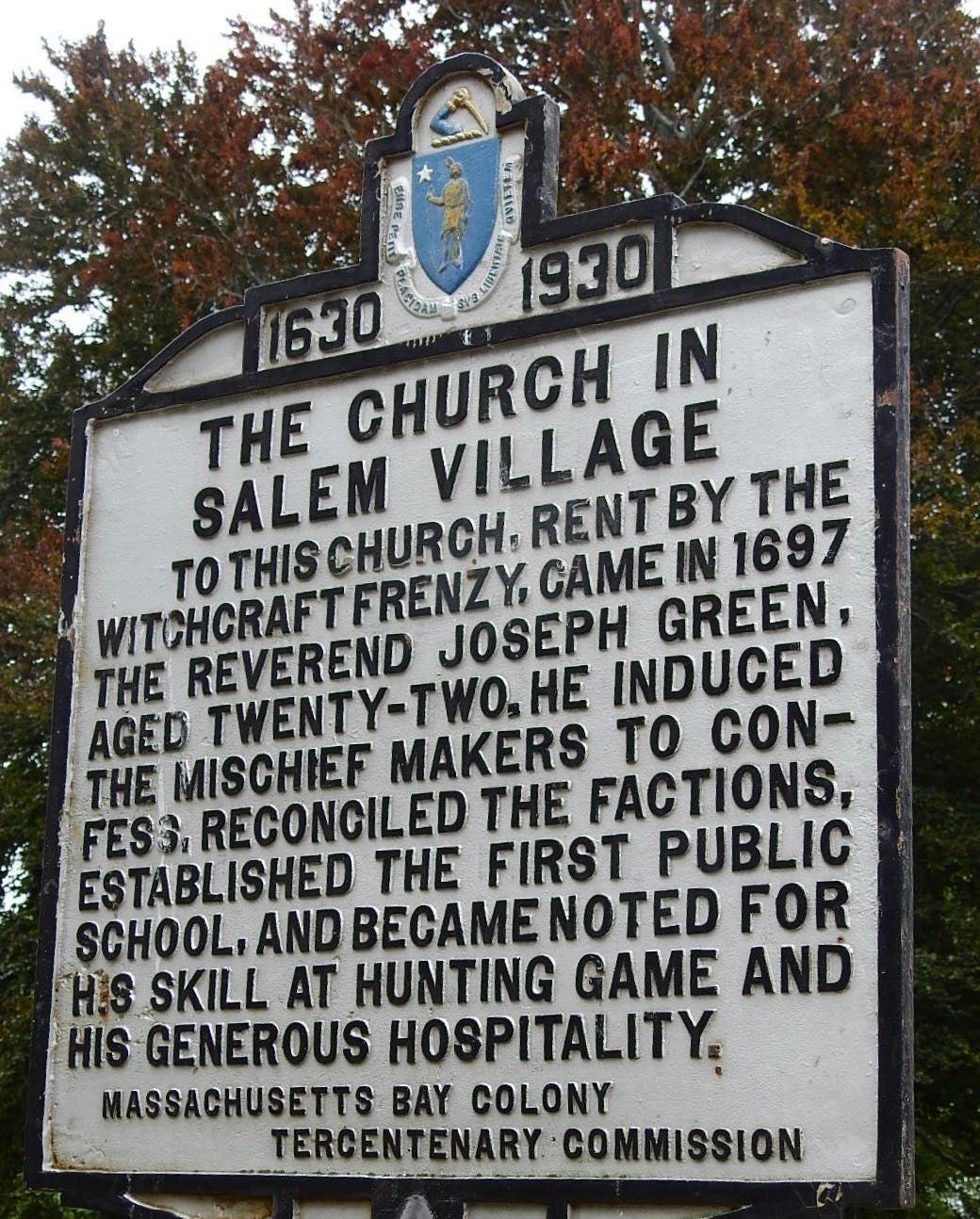
One of many signs on the road in Danvers, Ma. This one located on the corner of Hobart Street.
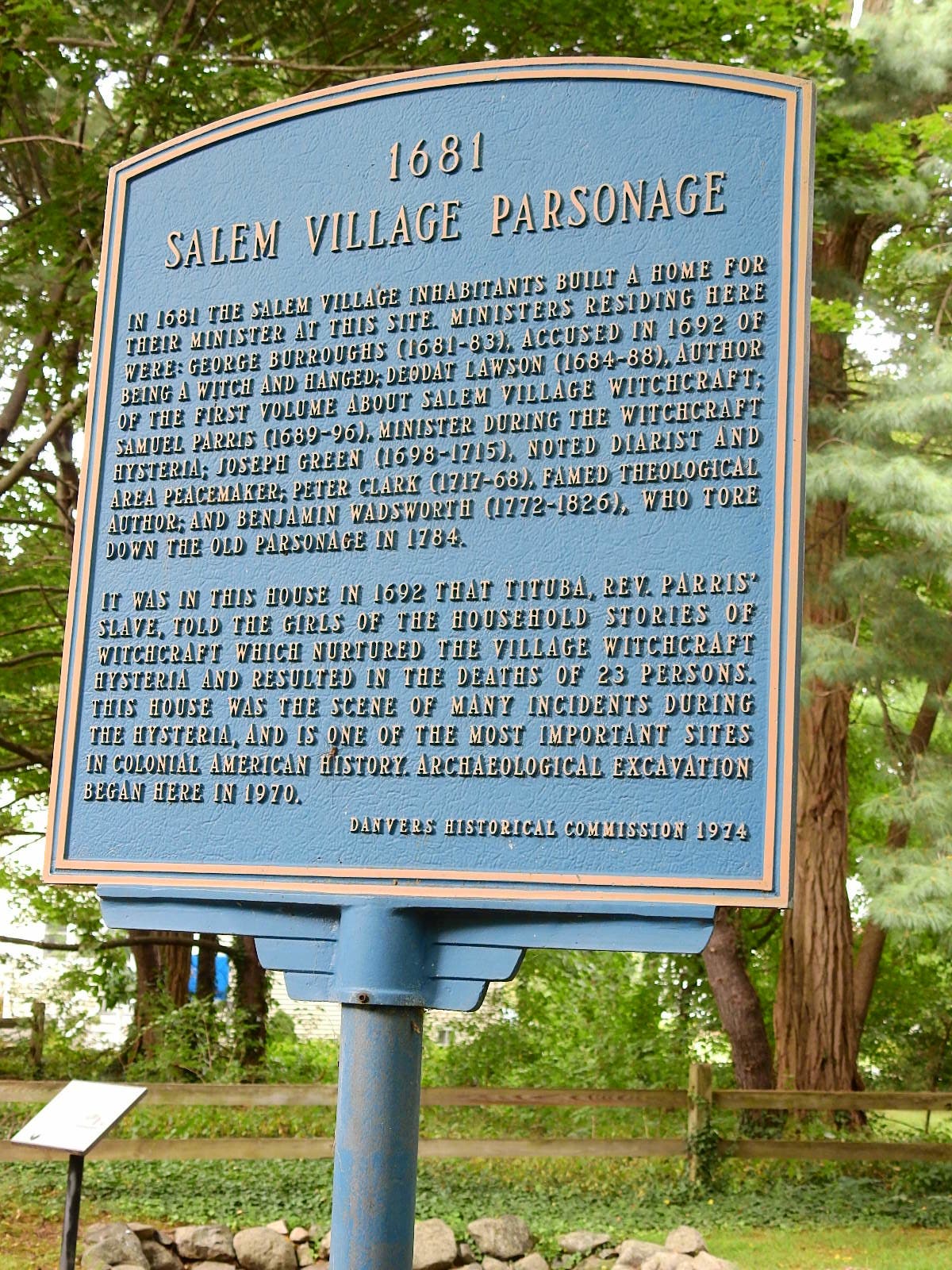
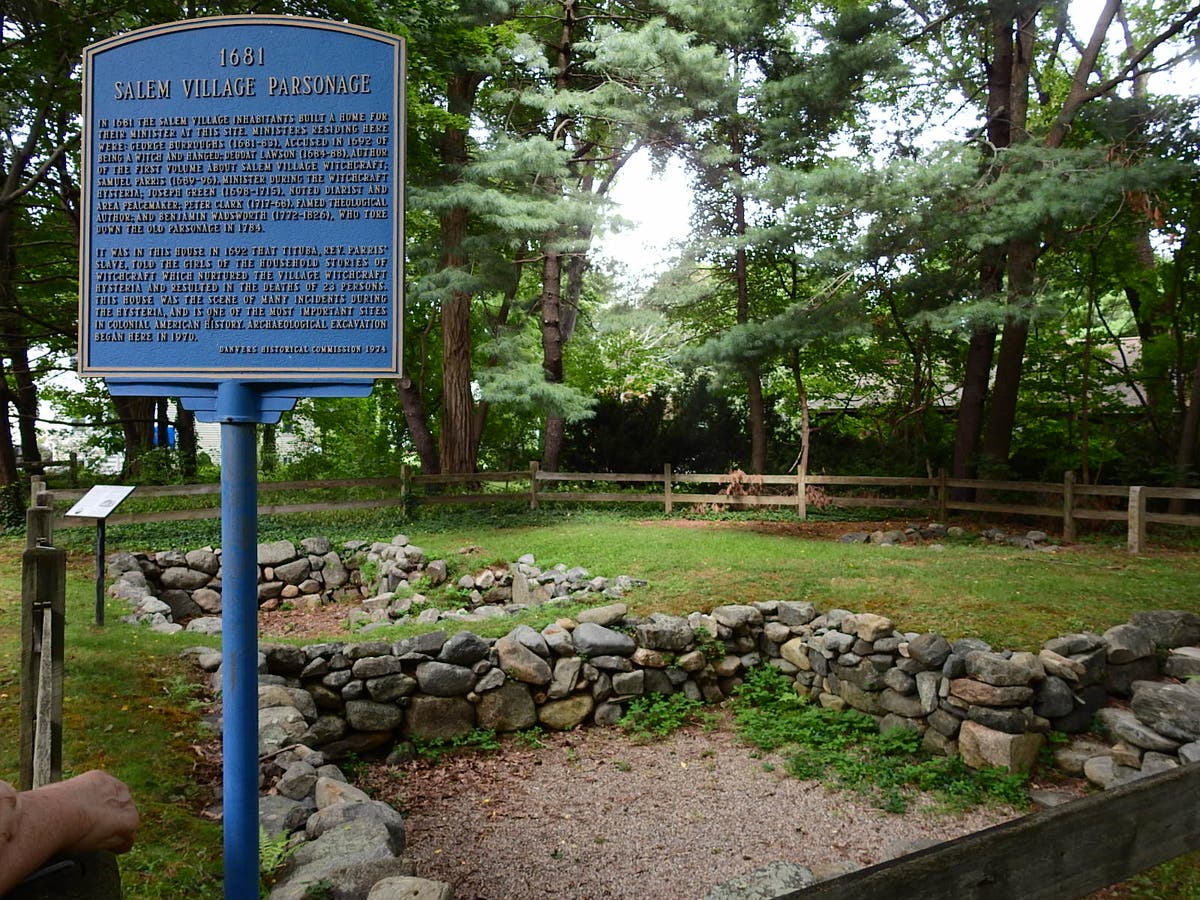
Ask a local to lead you to this historic section of Danvers. Although it is on a main road, it takes a bit of searching for the exact spot.
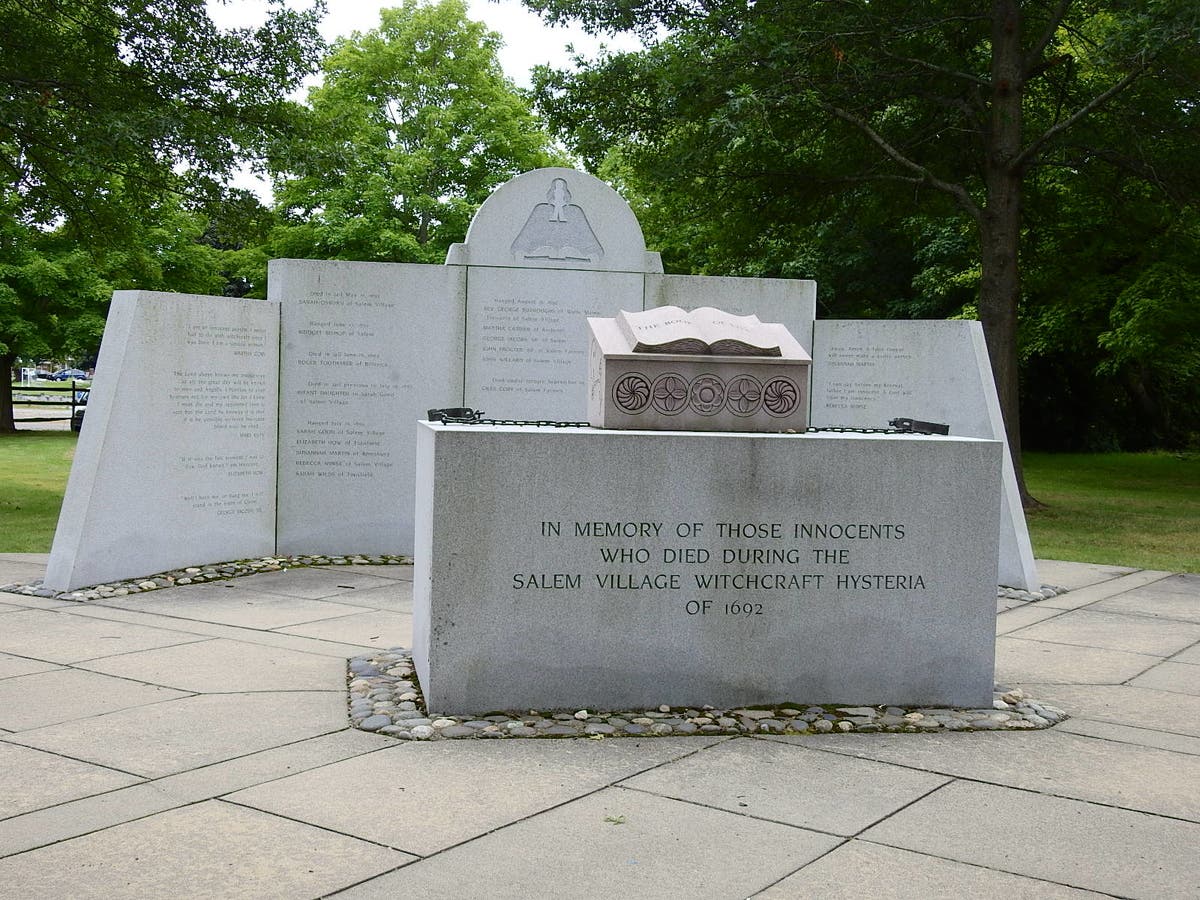
Another memorial along the roadway.
Various authors will also lead you through areas to be founding both Danvers and Salem, Ma relating to the witchcraft hysteria and more. What is now the Town of Danvers, was, at one time, called Salem Village. There is so much to learn along the roadside.
Take it all in and enjoy the ride.