Neighbor News
Make Way for the Reservoir: The Societal Impact of Building the Metropolitan Water System
The Waterworks Museum invites you to a public lecture on the history of the metropolitan water system with Executive Director Marcis Kempe
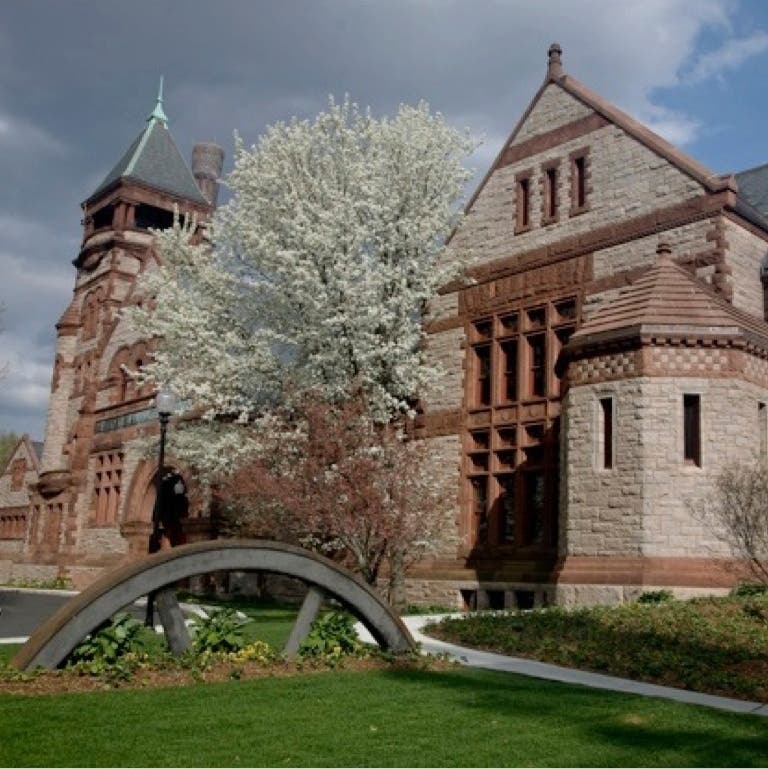
In the mid 1800s, the Metropolitan Waterworks System chose to build enormous reservoirs to help collect and purify the municipal water supply. These far-reaching civic projects changed lives as much as they changed landscapes. Marcis Kempe, MWRA engineer, will review and discus the stories of the Wachusett, Quabbin, and other large regional reservoir projects. Join us in the Overlook Gallery for this public lecture. No admission fee, but donations to the museum are welcome.
The Metropolitan Waterworks Museum at 2450 Beacon Street in Boston, opposite the Chestnut Hill Reservoir, is a non-profit museum dedicated to the preservation and interpretation of the historic waterworks and buildings which supplied the City of Boston with public water. The Museum presents unique stories of this early metropolitan water system through exhibitions and educational programs on engineering, architecture, social history, and public health. The Waterworks sits on the site of the original Chestnut Hill Reservoir and pumping station in a building dating to the late 1880’s. The Museum consists of the Great Engines Hall, housing three historic steam-powered pumping engines, and a two story glass-enclosed pavilion, featuring the Overlook Gallery. Directions and hours can be found at www.WaterworksMuseum.org. Connect with us on Facebook at Waterworks Museum (official) and on Twitter @MetroWaterworks. Accessible by T on the Green Line “C” and “D” trains, and by Bus (#51 and #86). Limited parking available.