Politics & Government
Swampscott Tax Talk: More Commercial Business Needed To Ease Burden
Swampscott Town Administrator Sean Fitzgerald made the assessment as the Select Board begins to look at the 2023 tax classifications.


SWAMPSCOTT, MA — While Swampscott residential property taxes have remained relatively stable as those in many neighboring Essex County communities have steadily risen in recent years, the town's lack of commercial tax base will make that trend increasingly difficult to continue, according to Town Administrator Sean Fitzgerald.
Fitzgerald spoke about the need to attract more businesses and either maintain or increase commercial zoning in the town as the Select Board began to consider tax classifications for 2023 during Wednesday night's meeting.
Swampscott's tax affordability has improved since 2013 when officials said it was 41.34 percent above the regional average — when it was the third-highest in Essex County. As of 2022, that number tumbled to 8.18 percent above the average and in the middle range of the other 34 Essex County cities and towns.
Find out what's happening in Swampscottfor free with the latest updates from Patch.
While Fitzgerald credited fiscal responsibility for the improvement, he allowed that market factors such as rapidly increasing residential property values will threaten the ability to continue along that trend line without additional commercial tax income.
"It's important for us to really keep our eye on the ball and study the changes in value and get back to our master plan," he told the Select Board. "When we see more commercial property cede or disappear because of zoning boards that make decisions that are really disconnected to the overall financial welfare of the town, the master plan gets subordinated to those conversations.
Find out what's happening in Swampscottfor free with the latest updates from Patch.
"We've got to use this data to get back to: 'How do we strike a balance? How do we continue to keep our focus on affordability?' There are only so many ways you can cut a budget before you have to start really getting into the bone."
While the Select Board did not move to set the classifications this week — citing the need for official numbers on free cash and cash reserves to help determine potential offsets to property tax increases — the numbers tell a story of the tax burden increasingly shifting to homeowners as property values rise and commercial income remains relatively stagnant.
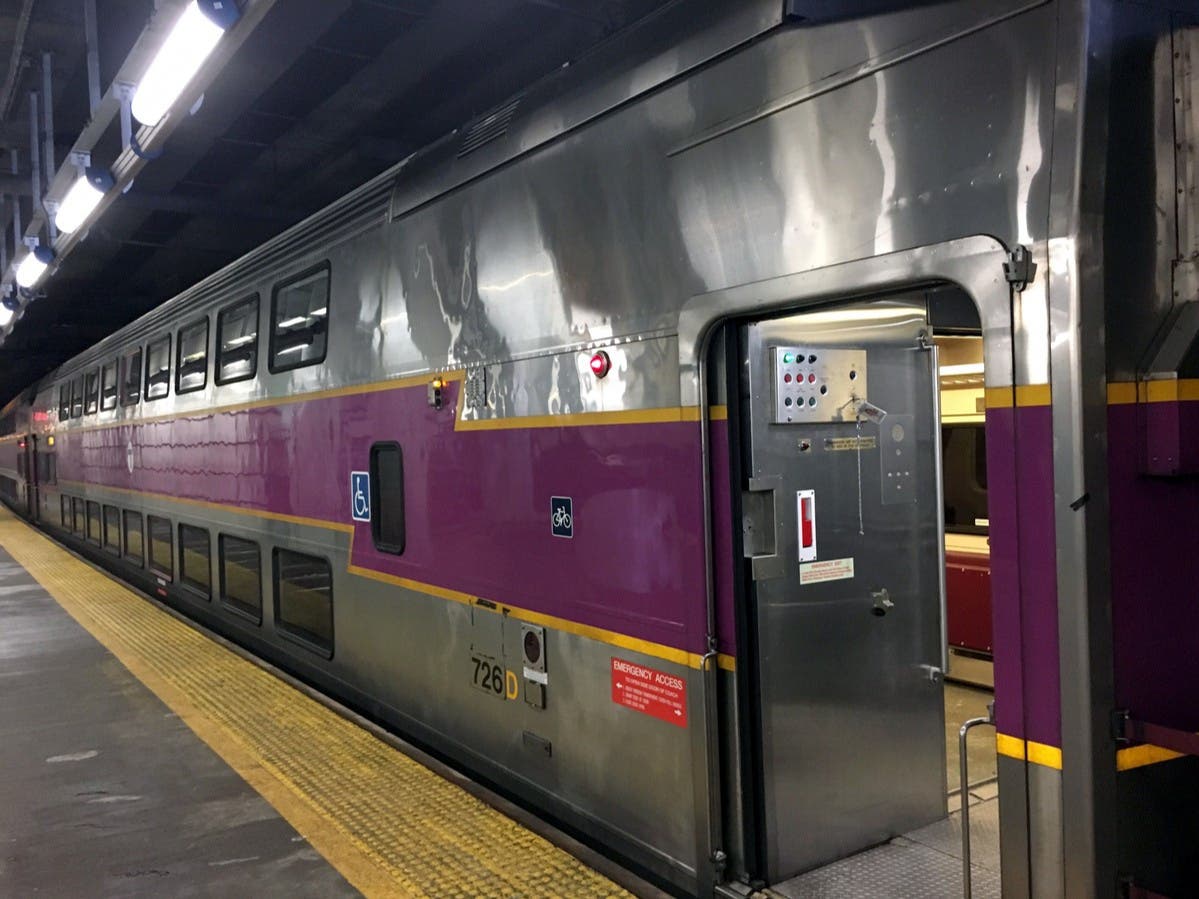
The Swampscott tax base is made up of 93 residential properties and seven percent commercial/industrial property. Fitzgerald said the town must look for ways to make commercial properties in Vinnin Square, Humphrey Street and the MBTA commuter rail area "more valuable."
"We need to be thinking of ways to take residential properties and bring commercial investments back," Fitzgerald said. "You won't be able to cut your way out of additional efforts to make Swampscott affordable without really dialing into the market forces that are subordinating our master plan."
Fitzgerald said a comprehensive, townwide approach to growing the commercial tax base could be included in the very much-discussed proposal of annual "land-use summits" of town leaders and stakeholders.
"We've squeezed the budget as tight as we can in areas and now it's really up to everyone to see where these numbers are taking us," Fitzgerald said.
Private property values rose 15.9 percent in 2022 and have gone up 53 percent since 2018.
The average Swampscott single-family home is now valued at 824,268 with the average condo now up to $511,711.
The Select Board will set the tax classification shortly after the Special Town Meeting scheduled for Dec. 5 with the new rates going into effect as of January.
(Scott Souza is a Patch field editor covering Beverly, Danvers, Marblehead, Peabody, Salem and Swampscott. He can be reached at Scott.Souza@Patch.com. Twitter: @Scott_Souza.)
Get more local news delivered straight to your inbox. Sign up for free Patch newsletters and alerts.