Kids & Family
West Nile Risk Low in Swampscott But Mosquito Sample Positive in Nahant
Meanwhile, state officials confirmed the fourth human case of West Nile virus this season.


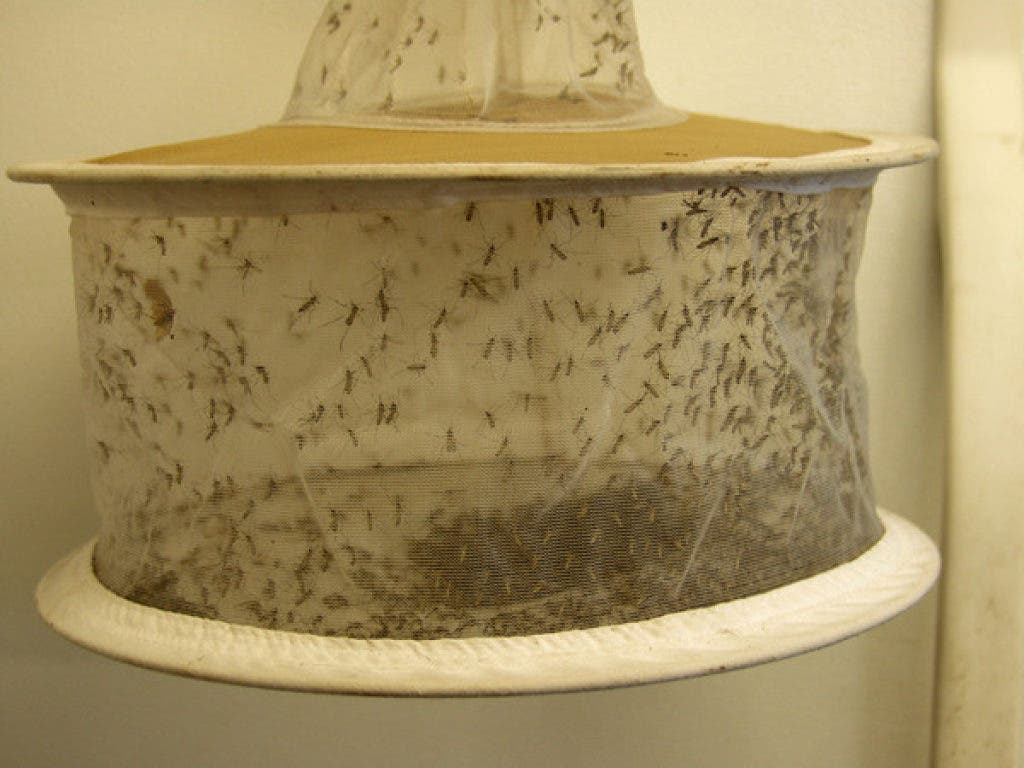
Information for this article came from the town's Director Jeff Vaughan and the state office of Health and Human Services.
The Massachusetts Department of Public Health announced Wednesday that a fourth human case of West Nile virus (WNV) has been confirmed in the state. The patient, a Newton woman in her 50s, was briefly hospitalized and is recovering. As a result, the WNV threat level has been raised to “High” in Newton and to “Moderate” in Needham, Waltham, Wellesley and Weston. Health officials are also awaiting confirmation of an additional six probable human cases of WNV: four in Middlesex County, one in Hampden County and one in Essex County.
Find out what's happening in Swampscottfor free with the latest updates from Patch.
“With today’s announcement, it’s clear that the threat of mosquito-borne illness is present throughout the Commonwealth,” said DPH State Epidemiologist Dr. Al DeMaria. “It’s critically important that people across the state take steps to protect themselves against mosquito bites – especially with the warm temperatures and outdoor activities planned for this long Labor Day Weekend.”
“While we now have a confirmed WNV case in a Newton resident, we have known about positive mosquitoes in Newton since July,” said Dr. Dori Zaleznik, Commissioner of Health and Human Services for the City of Newton. “We continue to urge our residents to take common-sense precautions to prevent mosquito bites by using insect repellent – especially if you need to be out between dusk and dawn.”
Find out what's happening in Swampscottfor free with the latest updates from Patch.
WNV infected mosquitoes have been found in 93 communities from nine counties so far during 2012, and health officials predict that the state is on track to have the greatest number of WNV-positive mosquito pools since WNV was first seen in Massachusetts in 2000. There have been three human cases of WNV in Massachusetts prior to today’s announcement – two in Middlesex County and one in Berkshire County. There were six cases of WNV in Massachusetts residents and one in a horse last year. While WNV can infect people of all ages, people over the age of 50 are at higher risk for severe disease. WNV is usually transmitted to humans through the bite of an infected mosquito. Most people infected with WNV will have no symptoms. When present, WNV symptoms tend to include fever and flu-like illness. In rare cases, more severe illness can occur.
People have an important role to play in protecting themselves and their loved ones from illnesses caused by mosquitoes:
Swampscott's risk level for mosquito-borne illness continues to be a low-level risk. However, these levels can change weekly due to factors such as weather, recent findings of virus and estimates of mosquito population levels.
All residents, regardless of location, are urged to continue taking personal precautions to protect against mosquito-borne illnesses. These include
using insect repellent, covering exposed skin when outside, and avoiding
outdoor activities between the hours of dusk and dawn, when mosquitoes are most active. Repellents that contain DEET work very well against mosquitoes. A
number of "natural" products are available for use as mosquito repellents, but tests show that most of these products do not provide the same level of protection or work as long. The exception is oil of lemon eucalyptus.
Keep mosquitoes out of your house by making sure screens are repaired and are tightly attached to doors and windows. And prevent mosquitoes from breeding by removing standing water around your house from places like children’s toys, recycle bins, and flower pots. Mosquitoes can begin to grow in any puddle or standing water that lasts for more than four days.
Surveillance data from earlier this month found mosquitoes carrying West
Nile Virus (WNV) in Nahant, Saugus and Peabody.
The Nahant mosquito sample was collected on Aug. 22, according to the state Executive Office of Health and Human Services.
Typically mosquitoes carrying WNV tend to breed in standing water. A mosquito in Topsfield was found to be carrying Eastern Equine Encephalitis (EEE) which is the more serious of the two viruses. The type of mosquito that carries EEE typically breeds in marshy areas.
The Swampscott Health Department reminds residents to tay safe and remember mosquito season typically does not end until the first frost of the year.
Sign up for Swampscott Patch’s daily newsletter, “like” us on Facebook and “follow” us on Twitter to get news, blogs, announcements and events.
Want to share your opinions with your community? Start your own blog here.
Get more local news delivered straight to your inbox. Sign up for free Patch newsletters and alerts.