Crime & Safety
Farmington Hills Police Carry Naloxone; Drug Session Planned
"Drugs 101: What Parents Want to Know" coming next month as Farmington communities focus on opioid epidemic.


FARMINGTON HILLS, MI – Michigan is among several states that have seen a dramatic spike in heroin and opiate drug overdoses, and now Farmington Hills police are equipped to help reverse the trend.
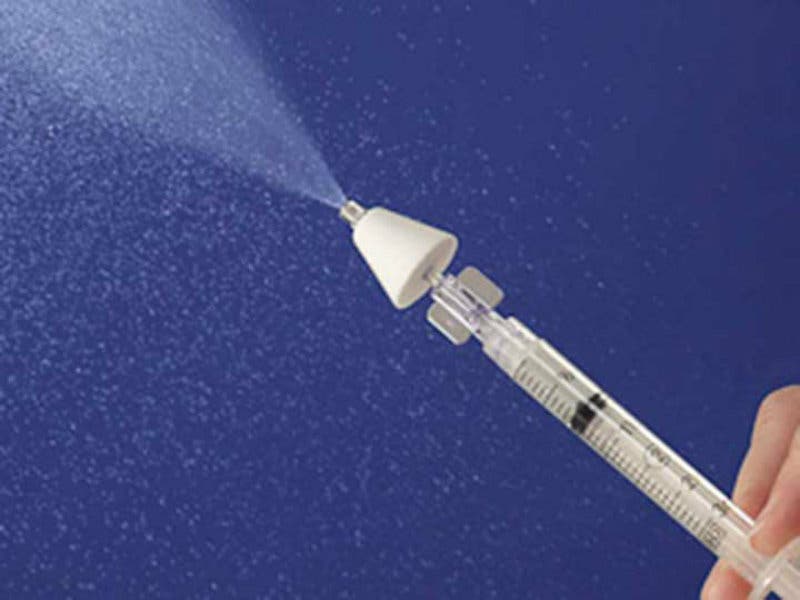
All officers now carry naloxone, which can reverse the effects of heroin and opiates. Police officers are often the first on the scene of a medical emergency, and the drug can make the difference between life and death.
Stay Connected
Find out what's happening in Farmington-Farmington Hillsfor free with the latest updates from Patch.
- Get the free daily Farmington-Farmington Hills Patch newsletter and news alerts
- Like Farmington-Farmington Hills Patch on Facebook
A person who has overdosed on heroin can stop breathing, and administering naloxone as quickly as possible is critical, Farmington Hills Police Chief Chuck Nebus said in a statement. Naloxone is administered via a nasal spray, and officers in his department have been trained to recognize the symptoms of a heroin or other opiate overdose.
Find out what's happening in Farmington-Farmington Hillsfor free with the latest updates from Patch.
The naloxone kits were provided free to the Farmington Hills Police Department by the Oakland County Community Mental Health Authority through the “Law Enforcement Responds with Naloxone” (LERN) program, which designed to address the increase of heroin and other opiate fatal overdoses.
Also on Patch
Michigan legislation passed in 2015 grants police officers the authority to carry Naloxone. Firefighters and emergency medical technicians in Farmington Hills have been carrying the drug since last year, and have saved 15 lives.
Farmington Hills Fire Department officials, representatives of Beaumont Hospital, the city attorney’s office and the Michigan Municipal Risk Management Authority have developed a model policy that can be used by other jurisdictions.
“Drugs 101: What Parents Want to Know”
Also as part of ongoing drug education efforts in the community, “Drugs 101: What Parents Want to Know” will be presented from 6:30-8:30 p.m. April 18 at North Farmington High School. Doors open at 6 p.m. for the program, presented by representatives of St. Joseph Mercy Health System.
The program is supported primarily with grants from the Ford Foundation and Call to Action, but also with the support of the Farmington PTA, Farmington Hills Police and Farmington Public Safety.
Police representatives will be on hand to discuss opioid abuse with parents and will share tips for preventing teen drug abuse. The free program is intended for adults — parents, grandparents, guardians, coaches, teachers, administrators and others who work with teens — not young children.
Attendees will learn about trends in drug use, tools to identify drug use, and skills to engage teens in conversations about drugs. Register online at stjoeshealth.org/classes.
Get more local news delivered straight to your inbox. Sign up for free Patch newsletters and alerts.