Schools
Baldwin Elementary Hosts Science Fair
The public is welcome to attend the annual event this Thursday.
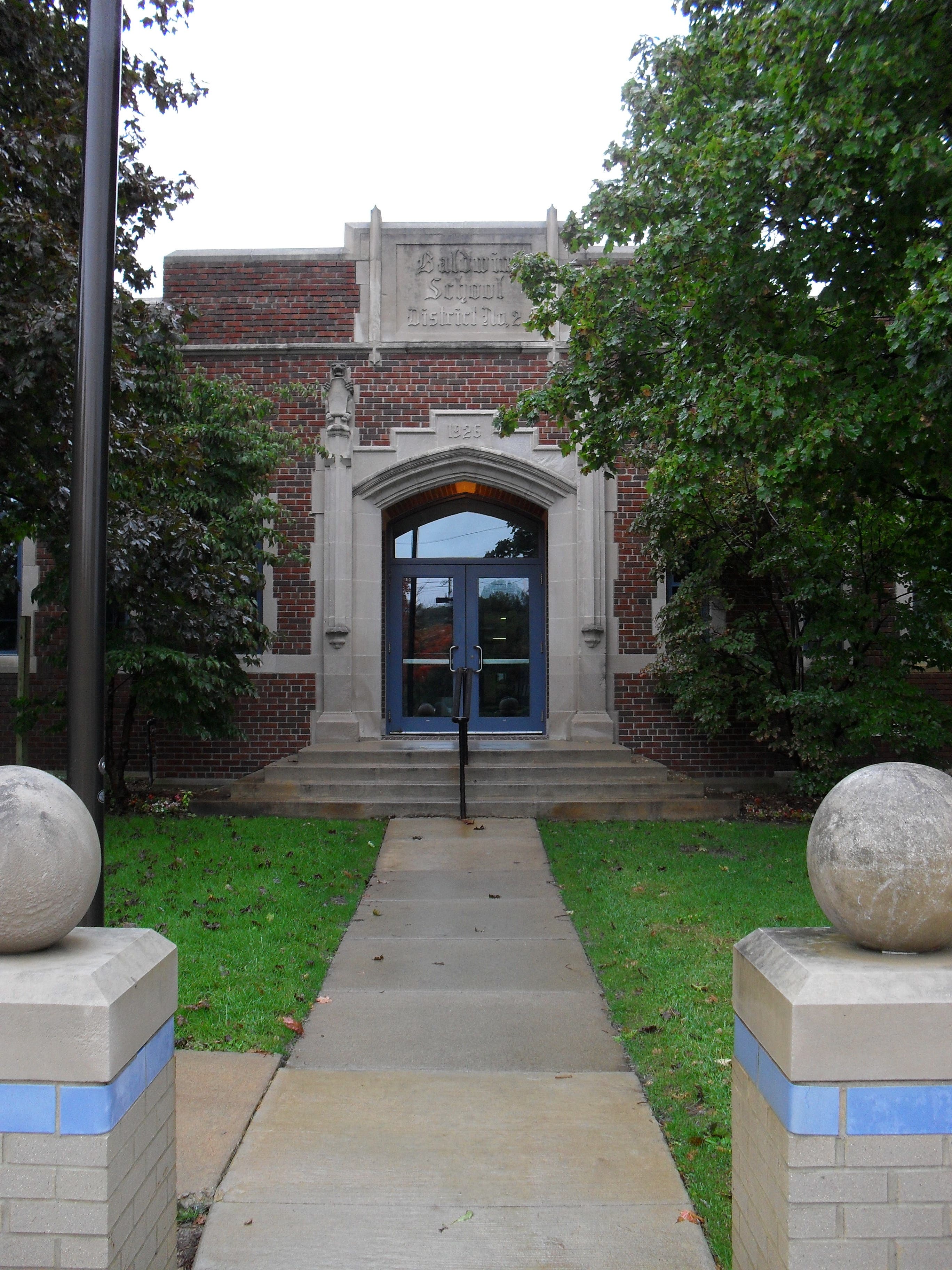
Students in kindergarten through fifth grade at will put their science fair projects on display in the school's gym for public viewing. The projects will be on display from 6-7 p.m. today as part of the school's annual Science Fair.
Some students have been working on their projects for nearly a whole year, said Christy DeGrende, science fair chairperson and member of the PTA. Fifth grade is the only age for which the science fair is mandatory; other students are participating on their own time.
“It’s a fun event to chair; I just have a real passion for helping kids learn and staying engaged in science,” DeGrendel said.
Find out what's happening in Oakland Township-Lake Orionfor free with the latest updates from Patch.
Every year Baldwin has more than 200 kids who participate in the science fair, DeGrendel said. This year there are 234 students, about 90 of those doing it for their fifth grade classes. Because many students work on projects on their own time, they can go at their own pace.
“There’s a good representation from every grade that comes through, it’s pretty evenly distributed,” DeGrendel said.
Find out what's happening in Oakland Township-Lake Orionfor free with the latest updates from Patch.
Students have the choice to partner for their projects if they like. Fifth-graders needed to get permission from their teachers; DeGrendel said a lot of older siblings work on projects with their younger siblings. It is a nice way to give the younger students time to get their feet wet, she said.
Younger students do not explore the scientific method, but still perform an experiment appropriate for their age level. The choice of experiment is not dictated, but guidance is offered if the student needs help brainstorming.
If younger students did not feel comfortable conducting an experiment, they were able to contribute a scientific display. For example, one first-grader is displaying rocks and divided the rocks into segments such as minerals and fossils.
Some of the other projects students have been working on year-round include projects determining how to make the best orange juice, whether or not storage temperatures affect the ability of popcorn to pop and in which environments grass grows best. Although students do not receive awards for having the most creative projects, each student receives a certificate for participation and a medal.
From 8:30-11:30 a.m., about 30 judges will be pulling individual students out of their classrooms to evaluate their projects, DeGrendel said.
“Each student will explain their projects, and the judges will give them really good feedback based on their age,” DeGrendel said. “They will see how older students followed the scientific method and what can be improved upon next year for the younger ones.”