Community Corner
How Organics Recycling Reduces Greenhouse Gases
Sign up for Edina's new organics recycling program to further reduce your carbon footprint.
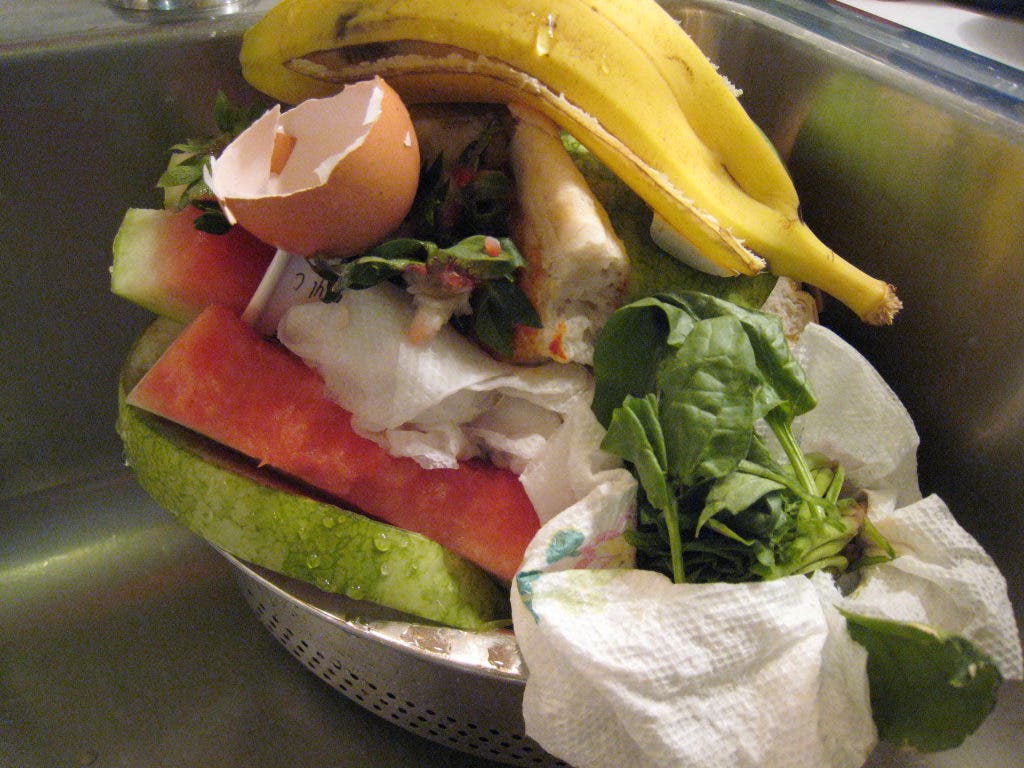

According to the Environmental Protection Agency, 26 percent of the solid waste we produce is made up of yard and food waste. For years, we’ve been setting our grass clipping and tree limbs on the curb to be picked up by garbage trucks. Now, Edina residents can sign up for “organics recycling” to add their food waste to the mix and help slow the buildup of greenhouse gases, which contribute to .
Organics recycling is a fancy name for composting, but how is composting food waste different than sending it to landfills?
Everything on earth goes through environmental cycles where different chemical compounds and elements are used and re-used over and over again. For example, in the water cycle, ocean water evaporates into the atmosphere, comes back down to earth as rain drops and eventually ends up back in the ocean. When living things and their waste are recycled, it is called the carbon cycle.
Find out what's happening in Edinafor free with the latest updates from Patch.
Life on earth tend to fall into three categories: producers, like plants, that capture energy from the sun and use nutrients from dirt and water to grow, consumers, including people and animals that eat producers and other consumers, and finally, microbial decomposers, like bacteria and fungi, that digest dead things and waste, releasing substances and nutrients back to the earth and the atmosphere where producers can reclaim them.
When food and plant waste is added to landfills, it often decomposes under “anaerobic” conditions, which means without air. When bacteria and fungi break things down without air, they tend to produce large quantities of methane and nitrous oxide gas, which contribute to greenhouse gas buildup even more than carbon dioxide produced by cars!
Find out what's happening in Edinafor free with the latest updates from Patch.
Composting allows food and plant waste to be broken down by microorganisms aerobically, or with air. This allows the carbon cycle to proceed naturally, with less impact on the enviroment.
In other words, composting allows the earth to recycle waste the way nature intended, while sending food waste to landfill adds to greenhouse gases and contributes to global warming.
According to the U.S. Composting Council, “The U.S. sent 25 million tons of food waste to landfills in 2005. The greenhouse gas impact of composting this mass would be the equivalent of removing 7.8 million passenger cars from the road.”
In Edina, Vierkant Disposal, a local waste disposal company around since 1947, has a “Go Green” program where customers can sign up for curbside organic recycling. Not only can you recycle food waste, but pizza boxes, waxed food and juice cartons and paper towels can be thrown in your waste container to be picked up along with your yard waste. (Since the trucks picking up the waste are already out picking yard waste up, they’re not burning extra fuel.) The organic waste is then taken to areas where it can be composted into nutrient-rich soil.
The initiated Edina’s first organics recycling pilot program and and are just a few of the schools with successful organics recycling programs. The cost is low and the environmental payoff is potentially huge.
If you live outside Edina, Hennepin County has set up a resource to help you start organics recycling in your community or see whether your city already offers an organics recycling program.