Schools
Psychologist Addresses Broken Bond Between Children, Nature
Dr. Marti Erickson spoke to a group of parents at an Edina PCN event Monday evening.
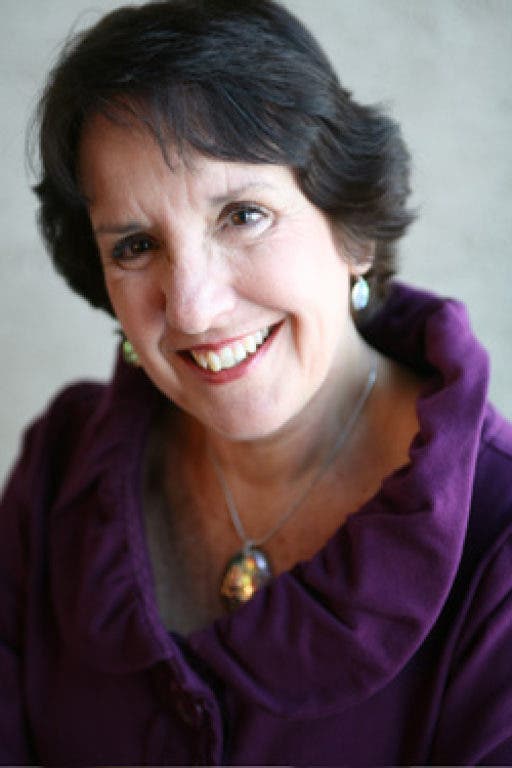
Speaking to a crowd of about 50 parents Monday evening at , Marti Erickson, Ph.D., asked who among them spent the majority of their time outdoors as a child when they were not in school. Nearly everyone raised a hand.
Then she asked whether the same was true for their children. A lonely couple of hands went up.
Thus the issue she came to speak about was illustrated: the need to heal the broken bond between children and nature.
Find out what's happening in Edinafor free with the latest updates from Patch.
Erickson said the “retreat indoors” began in the '70s and has continued to the present day, with the last cohort of what Erickson refers to as “free-range children” now in their 30s. With technology becoming increasingly intertwined in our lives, adult-directed activities replacing free playtime and 24/7 news bringing parental fears to new heights, being a kid now involves much less dirt. Erickson argues that’s a bad thing.
Parents at the event admitted to fears surrounding letting their children play outside, with “stranger danger” topping the list. Erickson pointed out that the actual risk of harm by a stranger is the same or lower today than it was in the 1970s, but with today’s media, parents are made hyper-aware and our feelings about it are now different.
Find out what's happening in Edinafor free with the latest updates from Patch.
Along with parental fears, the other big culprit keeping our kids indoors is technology. Erickson cited a recent study that shows school age children are getting a shocking 53 hours of screen time a week. The result? Erickson cited another study showing that only 20 percent of kids between the ages of 8 and 12 play outside in any given week.
Erickson said it’s been proven kids who get outside are generally in better health, have less stress and anxiety and it even helps children who suffer from Attention Deficit Hyperactivity Disorder (ADHD) concentrate. It should also come as no surprise that children who experience nature tend to become adults who are more environmentally responsible. With a focus on families, Erickson noted that connecting with nature can be “a beautiful way to strengthen your relationship” with your children.
The world is a rapidly changing place, and the children of the future may not experience the outdoors in the same way the children of the past did. But Erickson sees much room for improvement.
“I don’t know that we can go back to free-range children, but I hope we can strike a healthier balance,” Erickson said.
Erickson has been working with children and families since 1967. During her lengthy tenure at the University of Minnesota, Erickson was the founding director of the Children, Youth & Family Consortium, the director of the Irving B. Harris Programs and co-chair of the U of M President’s Initiative on Children, Youth & Families.
A developmental psychologist, Erickson has done extensive work in the areas of parent-child attachment and children’s mental health. Erickson retired from the U of M in 2008 and has since focused on the needs of high-risk children and families. She is co-founder of the Children & Nature Network, an organization spurred by co-founder and chairman Richard Louv’s book Last Child in the Woods: Saving our Children from Nature-Deficit Disorder.
She has also co-hosted a weekly radio show with her daughter Erin Erickson since 2006 called Good Enough Moms. The radio show is now available as a free podcast and spans the many sides of motherhood.
Erickson is a mother of two and grandmother of four. One of Erickson’s grandchildren will be starting kindergarten in Edina this fall.
This event was organized by the Edina Parent Connection Network. Kelli von Heydekampf, Edina PCN president, said this was a meaningful event given the pace of modern life.
"Edina PCN felt this was an important topic because we believe that one of the things we should strive to teach our children is about having balance in our lives," Heydekampf said. "Families are so stressed for time and are given so many choices on how to spend their time that we sometimes forget that some of the greatest pleasures and moments are presented to us through nature and our interaction with it."