Kalispell, MT|Local Classified|Other|

AI Can Find the Prospects. People Still Earn the Links | Optifi AI
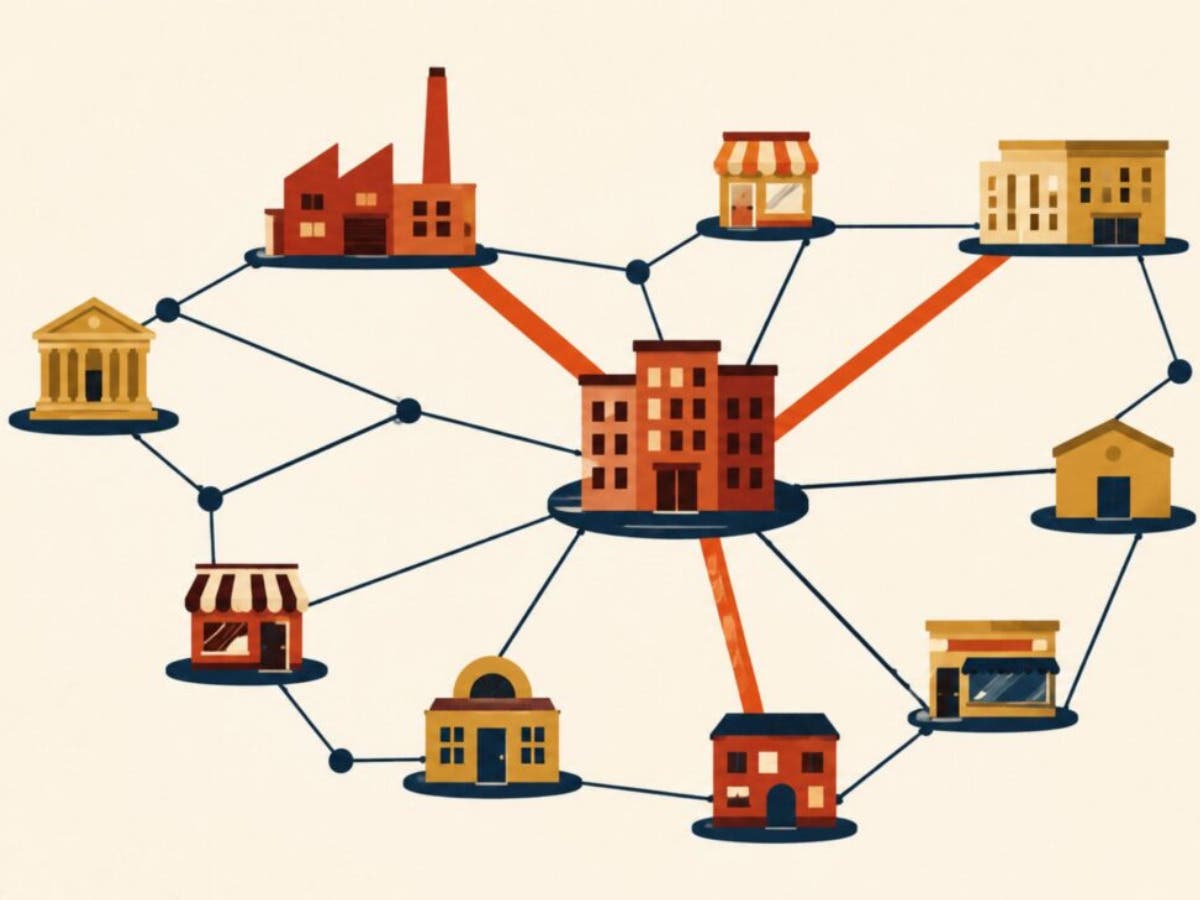
If you run a business in a small town, you already understand how referrals work. The lumber supplier sends someone to the contractor. The contractor mentions the well company. The chamber points a newcomer toward the outfitter. Nobody calls that a marketing strategy. It's just how a community operates.
What surprises a lot of owners is that the online version of being found works on the same principle — and that most of it is already sitting in relationships they have.
When another website mentions your business and links to it, two things happen. Real people click through, and search systems get a signal that a credible source considered you worth pointing to. That second part has become more interesting as search results increasingly summarize answers pulled from multiple sources. A business referenced consistently across regional and industry sites simply shows up in more of the material those systems draw from.
So where does artificial intelligence come in? Almost entirely on the unglamorous side of the work.
AI is good at scanning hundreds of websites and summarizing what each one publishes and who it serves. It's good at grouping candidates into sensible categories — trade associations, regional publications, suppliers with dealer directories, complementary businesses. It's good at finding places online that mention your business name without linking to it, which is the easiest kind of link to ask for. And it's genuinely good at maintaining the log of who was contacted and when, which is the part most teams abandon by the third week.
What AI should not do is the relationship. It shouldn't decide which partners are worth having, because that depends on local context no software has. It shouldn't handle any conversation involving terms. And it shouldn't write the email.
That last one matters more than it sounds. Generated outreach fails in a recognizable way — it references the right subject in a voice nobody actually uses, or it personalizes with a detail the software invented. Editors and business owners spot the pattern immediately, and once they do, the next several messages from that sender go unopened.
A practical version of this for a small operation looks like five steps. Make sure you have something genuinely worth linking to first — original local data, a useful checklist, real documented expertise. Build a broad candidate list. Score each one honestly on relevance, audience fit, editorial quality, and whether there's a reason to still be talking in a year. Let the research be automated, then write the message yourself. Follow up once, log the outcome, and move on.
A few things to avoid: buying links or placements, since the consequences land on the business rather than the vendor who sold them; chasing third-party authority scores instead of actual relevance; and treating every prospect identically.
Measure outcomes rather than activity. Emails sent isn't a result. Referring domains gained over quarters, referral traffic that does something once it arrives, partnership-sourced leads tracked separately, and relationships that produced something twice — that last one is the clearest sign you have a system instead of a campaign.
Expect months rather than weeks. Anyone quoting you a specific ranking on a specific date is guessing.
If you'd like an honest read on where your business stands and which relationships are worth pursuing, the team at Optifi is always glad to talk it through. You can find us at optifi.ai.
Read the original post here: optifi.ai/ai-link-building-partnership-systems/