Barnegat-Manahawkin, NJ|Local Classified|Announcement|
Hackensack Meridian Children's Health Experts weigh in on Dangerous Social Media Trend

Manahawkin, N.J. - October 9, 2026 - A disturbing social media challenge known as "Benny Tripping" is gaining alarming traction, encouraging teenagers to consume toxic doses of Benadryl (diphenhydramine) to induce hallucinations. As recently reported in the news, this dangerous misuse of common over-the-counter (OTC) medication has already hospitalized at least one New Jersey teenager with confusion, disorientation, and slurred speech.
The statistics surrounding pediatric and teen OTC poisoning over the past three years paint a worrying picture:
- Nationally: According to the National Poison Data System via America's Poison Centers, diphenhydramine exposure cases among teens ages 13–19 surged 31.9% from 10,068 cases in 2024 to 13,284 cases in 2025. The trend has only accelerated into 2026, with 7,292 teen diphenhydramine-only cases recorded in just the first half of the year—nearly double the rate from the same period last year.
- In New Jersey: The New Jersey Poison Control Center reports managing some 1,500 intentional self-poisoning attempts among preteens and teens annually, repeatedly citing OTC medications like Benadryl, acetaminophen, and ibuprofen as the most common culprits.
Hackensack Meridian Children’s Health experts weigh in on the medical risks associated with this trend:
"From a pediatric standpoint, prevention and open communication are our best tools against these trends. Parents should lock up all medications, including common allergy pills, and have honest, direct conversations with their teenagers – and even pre-teens – about the severe risks hidden in social media challenges before they ever reach the hospital doors." — Moses Olorunnisola, MD, pediatrician, Hackensack Meridian Southern Ocean Medical Center and K. Hovnanian Children's Hospital at Hackensack Meridian Jersey Shore University Medical Center
"When teens attempt the 'Benny Tripping' challenge, they aren't just risking a bad high. They are risking their lives. In the emergency department, we see the severe consequences of diphenhydramine poisoning, which can rapidly escalate from flushing and confusion to dangerous heart arrhythmias, seizures, and even fatal cardiac arrest. An over-the-counter label does not mean the drug is safe at any dose." — David Bergamo, MD, Associate Director, Pediatric Emergency Medicine, K. Hovnanian Children's Hospital at Hackensack Meridian Jersey Shore University Medical Center
"We are seeing an alarming normalization of medication misuse fueled by online challenges. As pediatricians, we urge families to regularly audit their medicine cabinets, safely dispose of expired or unused OTC drugs, and actively monitor what their children are exposed to online to stop these poisoning events before they start." — Katharine Clouser, MD, pediatric hospitalist at Joseph M. Sanzari Children’s Hospital at Hackensack Meridian University Medical Center and former president of the NJ Chapter of the American Academy of Pediatrics.
Essential practices to stop the misuse of household medications:
- Keep drugs under lock and key: Store all medications in a secure, locked location so that children, curious teens and young adults cannot get to them.
- Supervise all doses: An adult should always be the one in charge of dispensing medication. Minors should never be allowed to take medicine on their own.
- Clean out your medicine cabinet: Routinely clear your home of any leftover or out-of-date drugs, including both over-the-counter and prescription products.
- Dispose of drugs responsibly: Bring your unwanted pills to a community medication disposal kiosk, or safely hand them over during National Prescription Drug Take Back events, which happen twice a year in April and October.
If you suspect your child has ingested a toxic amount of medication, immediately contact the Poison Control Center at 1-800-222-1222 or call 911. For more resources visit Hackensack Meridian Children’s Health.
###
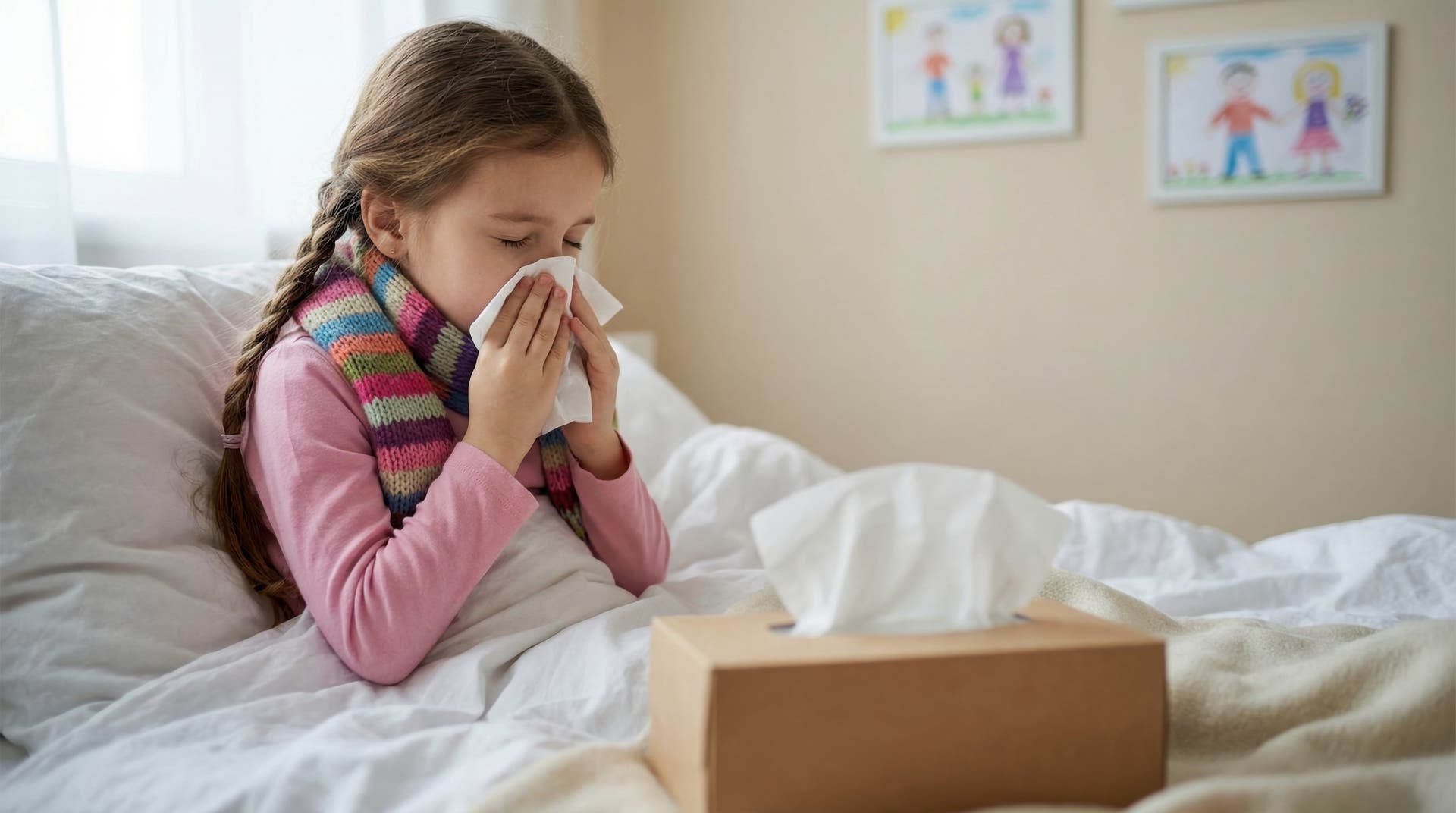
(photo: vecteezy.com)