Business & Tech
Green Your Scene: Local Experts Talk Environmentally-Friendly Remodeling
How to remodel your home in an environmentally-friendly way


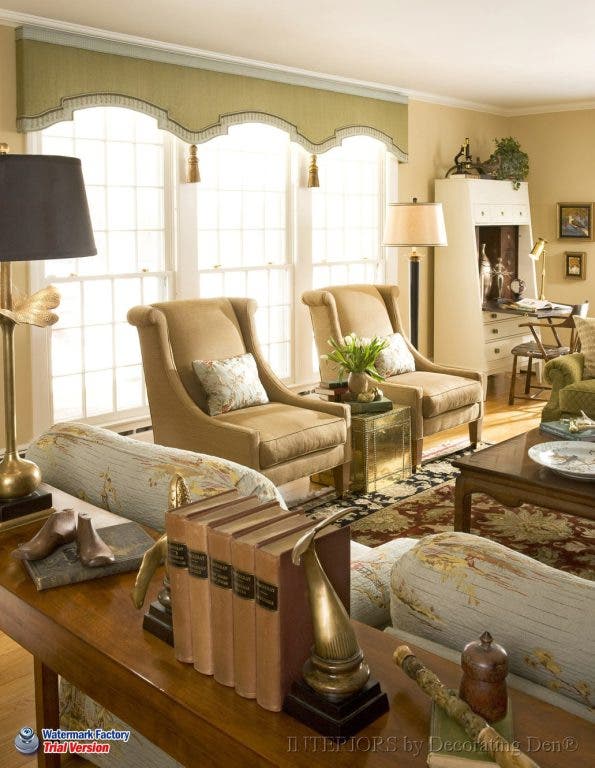
If remodeling is part of your spring cleaning plan, Bergen County experts are urging residents to give homes a green make-over.
"Going green doesn't mean going extreme," according to Susan Tenny Keefe, interior decorator.
Keefe, a professional Green Designer, accredited by the Sustainable Furnishings Council, says “trying to retrofit a home to make it 100 percent green would inevitably end up contributing too much to the landfills. Most people want to decorate in an environmentally responsible way, but just aren't sure where to start.”
Find out what's happening in Fair Lawn-Saddle Brookfor free with the latest updates from Patch.
Keefe insists that environmentally-friendly home décor does not need to be “drab.” She offers the following tips when greening your scene:
Cut down on your usage of products with VOCs - "Volatile organic compounds are emitted by a number of household products including oil-based paints. Water -based, low-VOC products are now available for refinishing floors, and for painting,” Keefe says.
Find out what's happening in Fair Lawn-Saddle Brookfor free with the latest updates from Patch.
Let the Sunshine In – Keefe recommends adorning windows with valances and sheer window coverings, which let more natural light in, allowing homeowners to use less energy.
According to the Rockland Electric Company, "lighting accounts for about 20 percent of the average home's electric bill, the average home has approximately 30 light fixtures, and during the summer months, the heat produced by incandescent lighting makes your air conditioner work harder."
Rockland Electric recommends customers purchase ENERGY STAR Qualified Compact Fluorescent Lights, install dimmer switches, choose lighter paint colors as lighter walls will require lower lamp wattage for illumination.
But, Block the Rays – Keefe recommends having UV-protective films applied to windows. “This treatment will protect furnishings from sun-fading and will cut down on the heat in the summertime, thus their air conditioning usage will be lower,” she says.
Buy American – Keefe points out that “the further furnishings have to travel, the more energy is used in transport,” so buying local both support the economy and the environment. She also encourages locals to talk with vendors about their environmental concerns. Keefe says residents should go to places that sell furniture made with “certified sustainable wood and formaldehyde-free glue.”
Reduce, Reuse, Recycle – This tip works for redecorating, too. “A new look doesn't mean all new furnishings,” Keefe says. For example, “a gorgeous decorative frame can be added to a plain bathroom mirror, rather than removing it and buying a new one.”
Kenney also says people should consider “re-upholstering furniture, restoring wood with a low-VOC finish, or buying a few antique pieces. Antiques are the ultimate green product - they didn't have formaldehyde glue back then!"
Get more local news delivered straight to your inbox. Sign up for free Patch newsletters and alerts.