Schools
New Jersey Cheating Questions Hit Close to Home
Sophisticated new analysis tools can help make the case for test tampering
Investigations of teachers and administrators helping their students cheat on state achievement tests remain disconcerting and discouraging, especially when they occur as close to home as Woodbridge and other local districts.
Some of these cases are relatively decisive. A high-profile investigation in Atlanta implicated dozens of teachers and administrators and ultimately took down the district superintendent.
But there are murkier outcomes. An investigation into New Jersey’s own Camden schools, where cheating was never proven outright, led to a settlement last year with the whistleblower -- a district principal -- and left lots of unanswered questions
Find out what's happening in Fort Leefor free with the latest updates from Patch.
Now comes the latest news that the state Department of Education is actively investigating more than a dozen districts, including those in Woodbridge, where this week five teachers and administrators were suspended by the local board. And the stakes seem to be rising for both the cops and the alleged perpetrators.
“The quality and integrity of data is of utmost importance to each of us educators across New jersey,” said Chris Cerf, the state’s education commissioner, in his release of the first investigative reports this month.
Find out what's happening in Fort Leefor free with the latest updates from Patch.
Of course, state commissioners have always said they takes test security seriously, and the security is indeed intense on state tests when they arrive and leave schools -- even shrink wrap to prevent tampering.
But New Jersey several years ago upped the stakes considerably through two actions: the hiring of a former state police investigator to be its compliance director and the long-delayed use of sophisticated analysis to scan for possible cheating.
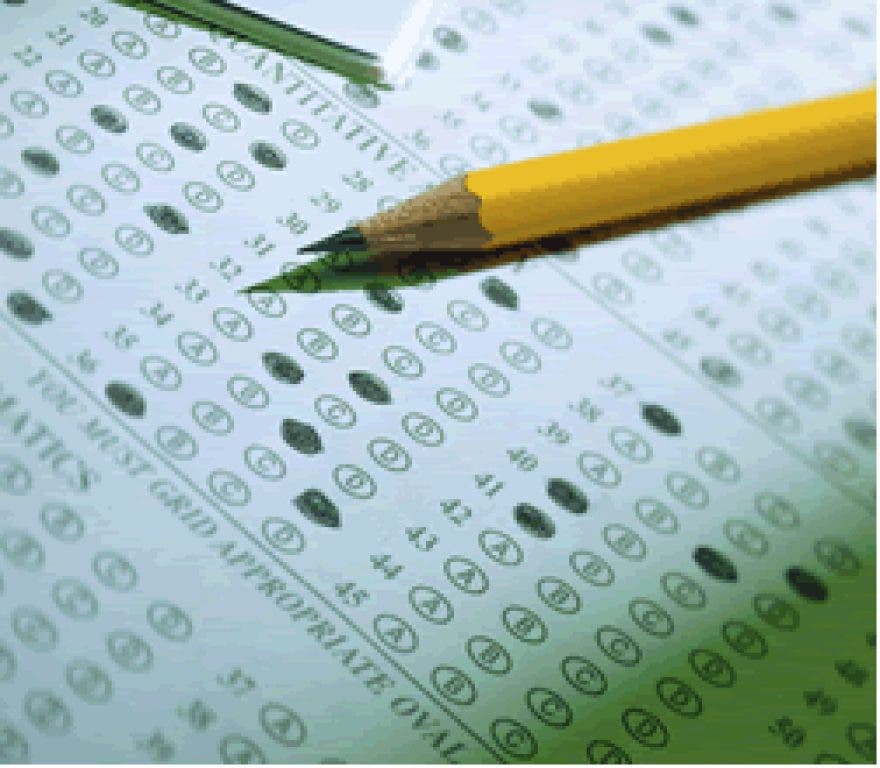
The bulk of the cases involved in the latest sweep rely on so-called erasure analysis, in which computers can scan for answers changed from wrong to right at abnormally high rates. In 2011 the state’s first erasure report raised questions about more than 30 schools; this year's investigation implicated another 15 schools.
State officials stress that these tests are not determinants of guilt, and a dozen schools named last year were ultimately cleared this year. But specific indicators, such as when answers appear to be changed from wrong to right by as much as four times the average, raise a red flag.
From there, the state’s compliance office descends on a school and starts asking questions and checking procedures. Experts say it is often direct witnesses who then make the ultimate case.
At the Ross Street Elementary School in Woodbridge, one of those cited for abnormal erasures in its third grade class, other irregularities were soon uncovered and witnesses started talking, according to a detailed report released by the state yesterday.
For instance, one unusual testing strategy cited was what the school staff referred to as “active monitoring,” led by the school’s principal, Sharon Strack. Witnesses said she would coach proctors to tell students to go back over answers that they saw were wrong, according to the report.
Several of the witnesses said they refused, and others said they saw Stack herself take up the practice directly. “On one occasion, Ms. Strack was observed to look over a child’s shoulder and point to an answer, stating ‘go back and do that one again,' ” read the report.
That brings in the questions of the motivations of the adults being questioned, where state tests have long carried high stakes for schools in deeming them successful or not.