Health & Fitness
Driving Home the Importance of Getting Educated & Staying Involved
Getting educated about teen driving takes time, something many busy families don't have. But free resources are available to help parents help their teens before and after they're driving.
New research from the Allstate Foundation shows that nearly half of parents express regret not monitoring their teen’s driving after they got their license. More than two-thirds wish they spent more time practicing driving with their teen in high-risk situations. And, more than 40 percent of parents don’t know that car crashes are the number one killer of teens.
As leader of the New Jersey Teen Safe Driving Coalition, a safety professional for the past three decades and the parent of a teen driver, I’ve talked and worked with thousands of parents. They overwhelmingly want to do what’s best for their teens particularly when it comes to their safety and wellbeing. But when it comes to recognizing what they should be most concerned about, car crashes don’t always factor into the equation. Additionally, many parents look at their teens’ licensure as an opportunity to relinquish the long-held task of shuttling their children to activities. This new found freedom for both parent and teen has its advantages, but it can come with a price if mom and dad fail to remain actively engaged through their teen’s formative driving years.
To help parents get a handle on teen driving, I encourage them to take advantage of free education programs like Share the Keys. Offered through high schools and community-based settings, the program helps families recognize the risks associated with teen driving and leverage proven tools such as graduated driver licensing (GDL), plenty of supervised practice and parent/teen driving agreements. The 75-minute facilitated program is helping parents recognize the importance of being actively engaged not only during the learner’s or permit phase, but once their teen is driving independently.
Find out what's happening in Long Valleyfor free with the latest updates from Patch.
For parents unable or unwilling to attend a program, there’s plenty of information available online to help you help your teen. I’m particularly partial to the teen safe driving website built and maintained by the NJ Brain Injury Alliance with funding from the NJ Division of Highway Traffic Safety. The site discusses teen crash risk and how NJ’s GDL program works to address that risk. It also features a GDL tool kit (be sure to download and print out the Parents Guide under the “Educate” tab), quick tips to help keep your teen safe and an interactive map showing where NJ teens are crashing (more than 40,000 teens crashed last year!).
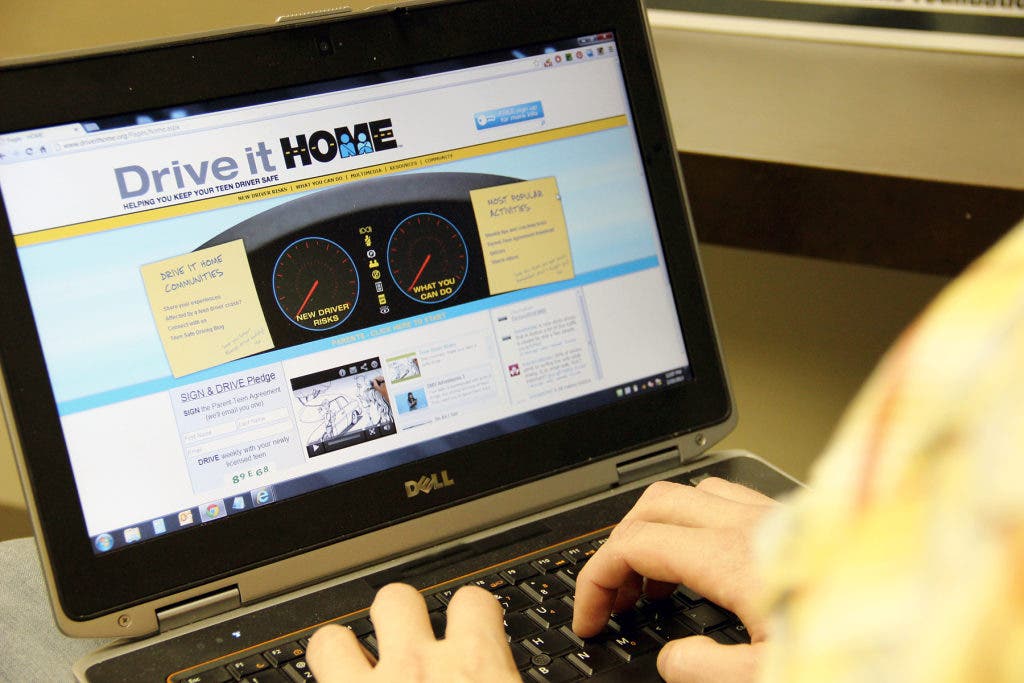
Another website I encourage parents to visit is DriveitHome. Created by parents for parents, this new site from the National Safety Council (NSC) specifically targets parents after their teen obtains a driver’s license, one of the deadliest years in a person’s life. DriveitHome uses a variety of video and graphic styles, including humor to capture our attention and educate us on the real dangers facing our teens. The site promotes parent engagement through a community discussion board and also gives parents the option to register to receive weekly tips to help coach their new driver.
Find out what's happening in Long Valleyfor free with the latest updates from Patch.
To help get the word out about this new online parent resource, NSC in partnership with the Allstate Foundation, has launched a 15-state Drive It Home Show tour. The fun and interactive one-hour program features the comedians of Second City Communications who help parents understand the real hazards teens face on the road, as well as what it means to better coach our teen drivers. The tour will make a stop in New Jersey on May 15 at 7 p.m. at the Arts Center in Middletown. Reservations aren’t required, but recommended. In conjunction with the tour, parents can enter a drawing for a chance to win gas cards and even a new car.
Those are great incentives to get educated about teen driving. But consider this, teens who have parents who are actively involved in supporting and monitoring their driving are half as likely to crash and less likely to engage in risky behaviors such as driving impaired, distracted or unbelted. Motivated to learn more? See you at the DriveitHome show!