Health & Fitness
Listen Up! Talking to Your Teen About Distracted Driving Cuts Their Crash Risk
Talk may be cheap, but when parents talk to their teens about the dangers of texting and driving, they listen and crash less. The key is to keep talking well after they're licensed.
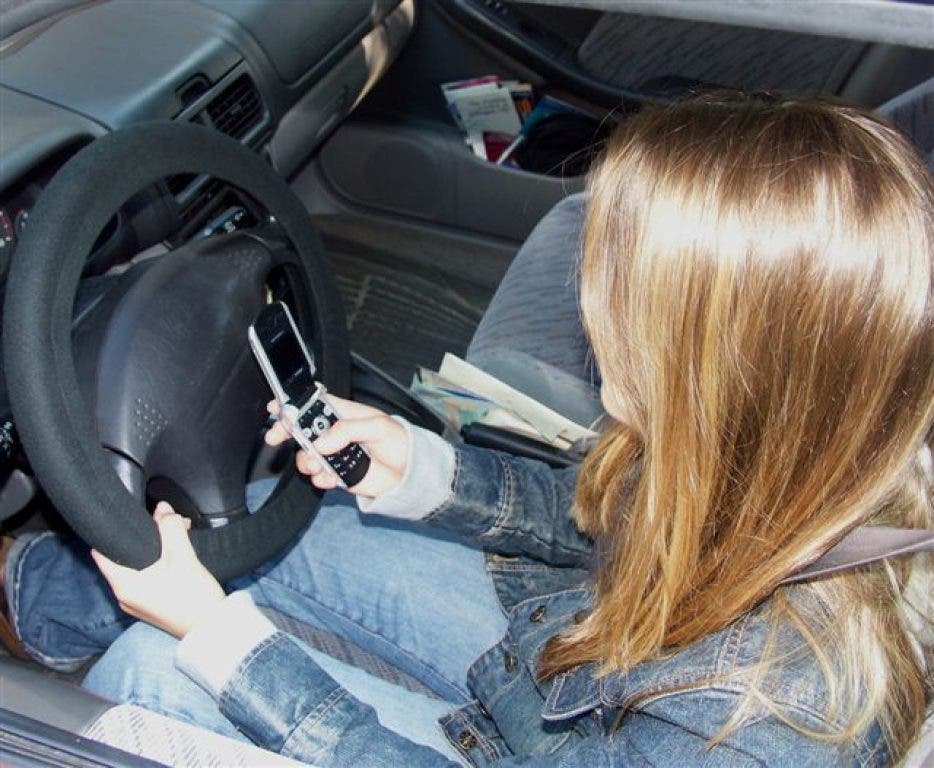
April is National Distracted Driving Month and despite all the attention given to addressing this risky behavior, a new State Farm survey conducted in February by Harris Interactive shows that the majority of teens drivers -- admit to texting while driving. Teens 14-17 years of age (there are states that license drivers as young as 15) were queried by telephone and their response is unchanged from a similar survey conducted two years ago.
While research confirms that this generation of teens understands the dangers of drinking and driving, the same doesn’t hold true for texting. In the State Farm survey, 35 percent strongly agree that if they regularly text and drive they will be killed someday. However, more than half of the teens (57 percent), strongly agree that regularly drinking while driving will be fatal. The survey also showed that more teens think they could get into an accident when drinking while driving versus texting while driving. Sixty-three percent of teens strongly agree that they will get into an accident if they regularly text and drive, compared with 83 percent who strongly agree they’ll get into an accident if they regularly drink and drive.
So what’s the answer? Parents! As I’ve pointed out in previous posts, teens who have parents who regularly talk to them about driving are 50 percent less likely to crash and 30 percent less likely to use electronic devices (i.e., text and talk) while driving. The State Farm survey found that more teens who never text and drive talk to their parents very often or sometimes about driving (82 percent) compared to teens who do text and drive (67 percent).
Find out what's happening in Long Valleyfor free with the latest updates from Patch.
But this discussion appears to drop off after a teen obtains his driver’s license. According to the survey findings, teens who have a learner’s permit are more than twice as likely as those who already have a license to report that they talk very often with their parents about driving (46 percent versus 22 percent). Recognizing that the first 30 days of independent driving are the most deadly and that the risk remains extremely high through the first six months, continuing this discussion with your teen is critical.
Some say talk is cheap, but when it comes to teens and driving discussing the dangers of texting and driving, as well as seat belt use, and limiting passengers (remember, New Jersey’s Graduated Driver License or GDL program allows just one other occupant if the driver is holding a probationary license) and nighttime driving (off the road by 11 p.m.) are key to keeping them safe when they’re behind the wheel. Framing the discussion so that teens recognize that they aren’t bad drivers, but inexperienced will help them better understand why removing distractions and other risks from the vehicle is critical.
Find out what's happening in Long Valleyfor free with the latest updates from Patch.
Staying on the subject of distraction, but shifting gears from texting to other distracting devices -- what about teens using GPS? The question comes up a lot when I facilitate parent teen driving programs and was the subject of an e-mail I answered just yesterday. Under our GDL law, permit and probationary license holders are barred from using “any interactive wireless communication devices, except in an emergency, while operating a moving passenger automobile on a public road or highway.” That includes not only “talking or listening” on these devices as well as operating “keys, buttons or other controls.”
So under our law GPS use by a GDL holder is taboo. The ban makes sense when you consider how distracting GPS devices can be. Think about it this way, when you’re using GPS and about to make a turn prompted by the device, do you feel compelled to look at the screen or do you keep your eyes on the road and follow the auditory prompts? Just like moths to a flame, I’m betting you look at the screen (it’s hard not to). Now imagine a teen with minimal experience glancing at the screen -- those 2-3 seconds when he has his eyes off the road could prove deadly. Research conducted by the Virginia Tech Transportation Institute for the National Highway Traffic Safety Administration found that 80 percent of crashes and 65 percent of near crashes involve drivers who aren’t paying attention to traffic for up to three seconds before the event.
Recognizing that distraction/inattention is the number one cause of teen crashes in our state, limiting the use of GPS devices is important. However, I do recognize that they can be a godsend when you’re trying to find your way. I’ve spoken with a number of police officials about the GPS restriction and they all indicated it’s unlikely a teen would be stopped and cited for using a GPS device unless he’s spotted programming the device while driving and/or driving erratically.
So what’s a parent to do? If a teen is driving on familiar roads, I recommend no GPS use. However, if the device will help a teen get to his destination when driving a new route, I suggest that he (and this should apply to all drivers regardless of age and experience) program the GPS device before setting out and then place it (if it’s portable) out of view and listen for the directional prompts. This will ensure that the teen isn’t looking at the screen, when he should have his eyes on the road.
If the GPS device is built into the car, again have your teen program it before taking to the road and, if possible, use it in audio mode only. If that’s not an option, remind him to listen rather than look when it’s time to make a maneuver. Practicing this during the supervised driving or permit phase will help reinforce this behavior so that it becomes the norm when the teen drives solo. And parents
should practice what they preach since we are our children’s role models.
Finally, I must plug the second annual statewide Teen Safe Driving Summit, GDL4U: Good Driving for Life, which will be held on Saturday, May 12 in Freehold. Designed for teens 14 to 16 years of age and their parents, the event will feature teen-led interactive workshops including a hands on distracted driving course. Registration closes May 4, so I hope you’ll go online today and sign-up with your teen. I attended with my son last year (who was 15 at the time) and we both learned a lot that he’s now putting into practice as a permit holder.