Health & Fitness
Negative Growth Trends, WT K-8
A look at the numbers that are driving negative-growth trends in K-8 total enrollment.
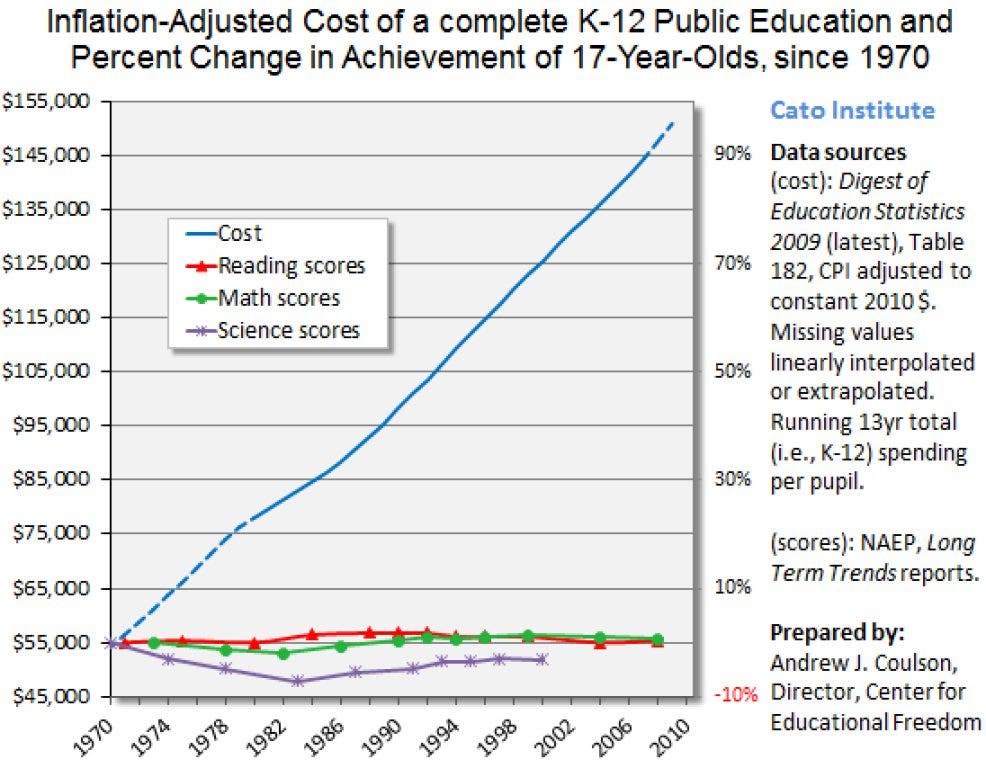

Flash back, circa 2003: Washington Township is growing and the schools are starting to get crowded. The BOE hired a demographer who - not surprisingly - projected past growth into the future, predicting an increase of over 200 students by 2009. Voters approved additional debt to fund the building of a , which increased capacity by more than 600 seats.
Fast forward, circa 2011: The growth in enrollment never materialized. In fact, the actual enrollment declined by about 390 students, which is 630 less than projected. This is bad news for taxpayers who - as a consequence - are now burdened with additional long-term debt and higher fixed costs for a continuously declining number of students. Naturally, this has prompted debate over whether or not to close (or re-purpose) one of the schools.
The decision to close a school (or not) will have a long-term impact, therefore the decision should be made in context of long-term trends. I recently modeled the trends and shared my findings with (Superintendent of Schools) and (BOE President). Both men appeared to have a shocked expression on their faces; they immediately understood the implications of the trends. The unspoken truth about the numbers is that the steep and persistent decline in enrollment - such as we've experienced over the last seven years - will have a long-lasting effect spanning the next decade (or longer).
Find out what's happening in Long Valleyfor free with the latest updates from Patch.
The BOE could be suffering from a case of denial if they believe that growth will continue each year going forward. The impediment of the Highlands Act casts serious doubt on that kind of wishful thinking, as does a drop in the birth rate and the fact that 1st grade enrollments are still in decline. Even if the board ignores these realities and chooses instead to believe in fantasy, the total enrollment will not return to 2010 levels for another decade (if at all).
The bottom line is that - using the district's own published numbers and capacity utilization standards - there is a capacity glut of about 600 seats. This is more than the total number of students currently attending Flocktown and Kossman combined. Worse yet, the administration projects a staggering decline in enrollment for 2011; a total drop of 109 students. The lack of housing growth and a decline in birth rates ensure that this negative-growth trend will continue for the foreseeable future.
Find out what's happening in Long Valleyfor free with the latest updates from Patch.
Here is the question that the BOE has avoided far too long: At what point does it make good sense to close a school because of continuously declining enrollment? Better yet, convert a school to a charter. It's time to stop kicking the can down the road and to give this serious issue the serious consideration it demands.
Washington Township K-8 Enrollment and Capacity Numbers
2004 2005 2006 2007 2008 2009 2010 2011 Enrolled 2,940 2,919 2,913 2,863 2,838 2,740 2,663 2,554 YOY Change
-21 -6 -51 -25 -98 -77 -109 Running Total
-21 -27 -78 -103 -200 -277 -386 School Capacity Enrolled Excess Cucinella 831 628 203 Flocktown 334 278 56 Kossman 334 278 56 Old Farmers 453 415
38 LV Middle School 1,204 955 249 Totals
3,156 2554 602
Notes/Corrections:
- In a letter to the editor (Observer Tribune), I wrote "about 430" for the total student drop since 2004, but it should have read "about 390". The mistake is regrettable.
- Capacity and forecast enrollment numbers were derived from the school district's own utilization standards published in the 2005 Long Range Facilities Plan, obtain by Open Public Records Act (OPRA). No electronic copy was made available.
- The 2011 enrollment numbers are as per the public presentation given by the Superintendent on February, 8th.
- The 2010 enrollment numbers (per class) were obtained via OPRA request. No electronic copy was made available.
- All other enrollment numbers (1998-2009) were obtained from NJ DOE.
- Birth rates obtained from NJ DOH.
- Certificates of Occupancy numbers derived from NJ DCA.
- Population estimates were derived from NJ DOL.
- The revised enrollment model can be downloaded here.