Health & Fitness
Resolving to Make Roadway Safety a Priority in 2012
Roadway deaths in NJ increased in 2011 after declining to record lows the previous three years. Are you contributing to the problem? What can you do to reduce your risk?
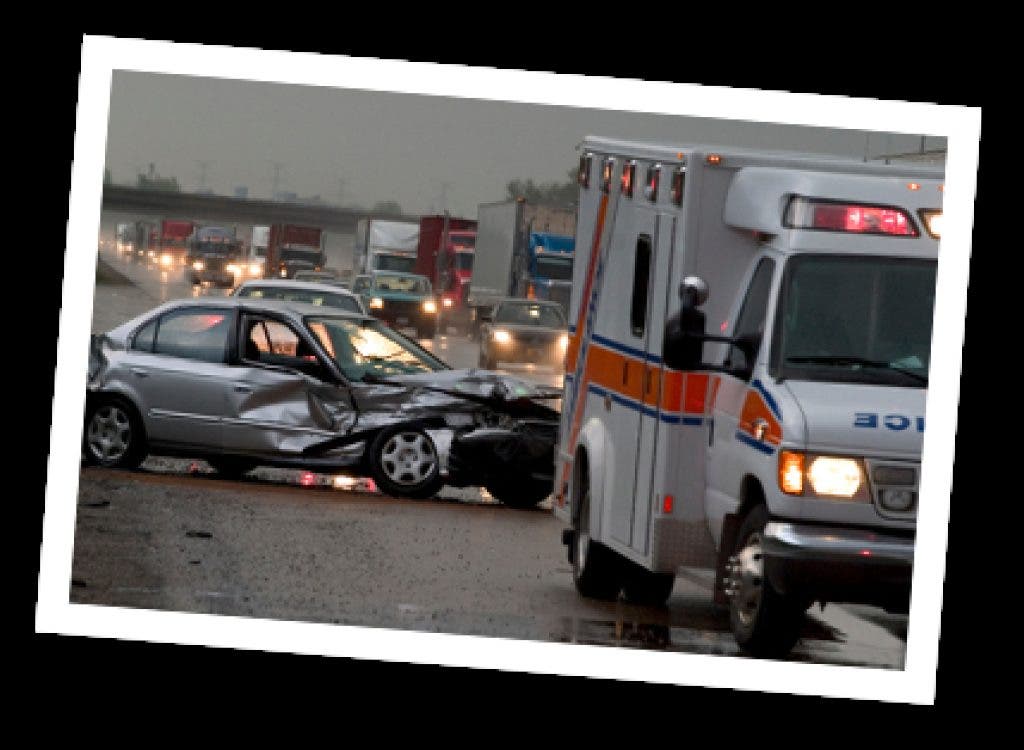
Happy New Year! Honestly, I’m not feeling terribly festive -- 635 people died in motor vehicle crashes on New Jersey’s roadways in 2011. That’s a 14.2 percent increase over the previous year. What’s particularly troubling is that our state’s roadway deaths had been on the decline -- falling to historic lows the previous three years.
According to statistics compiled by the New Jersey State Police Fatal Accident Investigation Unit, there were 594 fatal crashes last year, 64 more than in 2010. And the majority of those who died, 371, were behind the wheel (this includes car, truck and motorcycle operators). While drivers accounted for 58.4 percent of all roadway deaths last year, the state also experienced increases in deaths involving motor vehicle passengers (103 in 2011 compared to 99 in 2010, a 4 percent increase), bicyclists (17 compared to 13 in 2010, a 30.7 percent increase) and pedestrians (144 compared to 141 in 2010, a 2 percent increase).
While one year does not a trend make, I’m troubled by these numbers. What’s going on? State Police point to a lack of seat belt use as a contributing factor in many fatal crashes, while distraction is causing motorists and pedestrians to take their eyes and minds off the road. Pedestrians, stressed the State Police, need to use crosswalks and sidewalks, and refrain from walking after drinking alcohol. And what about speed -- are we simply driving too fast?
Find out what's happening in Long Valleyfor free with the latest updates from Patch.
When it comes to safety, it’s easy to be complacent and point the finger at the other guy or gal on the road. But I urge you, during this time of resolutions, to commit to making safety your top priority regardless of your mode of transportation. Safety has to start with each of us. No one -- including yours truly -- is guilt-free when it comes to our roadway safety habits.
If speed is your nemesis (my foot can be a bit leaden), set your vehicle’s cruise-control and/or ask your passengers to keep tabs on the speedometer and point out when you’re going over the posted limit. Addicted to technology? Put your iPhone, Droid or Blackberry somewhere out of reach (the glove compartment, a zipped briefcase or handbag stowed behind your seat), and vow to check it once you’ve safely reached your destination. If you vehicle is equipped with a hands-free device (which research shows is no safer than hand-held), refrain from making or taking a call unless it’s an emergency. Remember, driving is complex and requires each of us to be completely invested in the task.
Find out what's happening in Long Valleyfor free with the latest updates from Patch.
As for seat belts, the need to ensure that you and all of your passengers are properly restrained each and every ride goes without saying. While New Jersey’s front seat belt use has steadily risen to a record 94.51 percent, we must do better in the back. Overall 61 percent are buckling up, reports the New Jersey Division of Highway Traffic Safety, but adults in the backseat wore their seat belts just 35 percent of the time.
When it comes to impaired driving, which continues to plague our roadways despite public recognition of the dangers of drinking and driving, it’s not just about alcohol. A nationally representative survey conducted in 2007 by the National Highway Traffic Safety Administration (NHTSA) found that approximately one in eight weekend, nighttime drivers tested positive for illicit drugs. According to the 2010 National Survey on Drug Use and Health, an estimated 10.6 million people reported driving under the influence of illicit drugs in the past year. And one in three drivers killed in motor vehicle crashes in 2009 who were tested and test results reported, tested positive for drugs.
Drugged driving, like drunk driving, not only puts the driver at risk, but his or her passengers and others on the road. Drugs can impair a driver’s ability to operate a motor vehicle just as much as alcohol and prove just as deadly. This is true of drugs such as marijuana and cocaine, as well as prescription and over-the-counter medications.
The bottom line here is that no New Jersey municipality or county is immune from traffic crashes and the resulting injuries and fatalities. And while detractors might argue that we can’t stop all crashes from happening, we can do something about moving the number back in the right direction. Please join with me in making 2012 a safer year on our roadways. Whether you’re driving, walking or biking (the vast majority of us are both pedestrians and motorists), take personal responsibility for your actions and correct those behaviors that are not only putting you but everyone else on the road at risk.