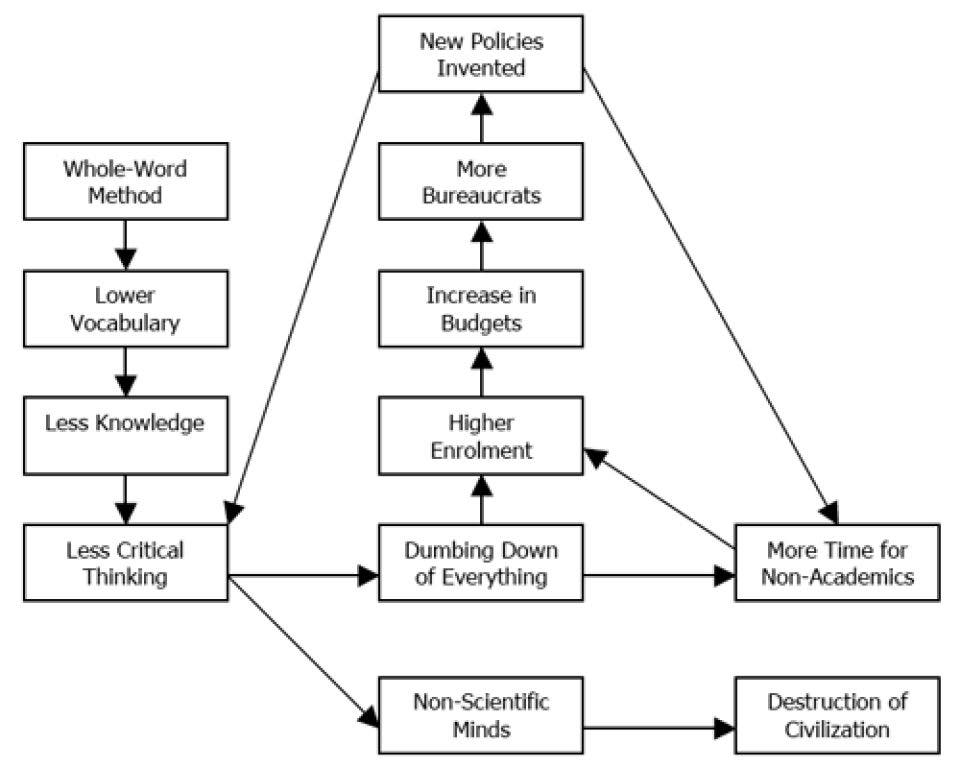

I've had this blog post rolling around in my head for a while. The genesis came from my experience with today's so-called "college material", many of whom haven't mastered basic punctuation and can't form a cogent thought (written or spoken).
From the WSJ:
ManpowerGroup’s sixth annual talent shortage survey, shows that persistent talent shortages across many geographies and industry sectors are frustrating employers who struggle to find qualified talent amid an oversupply of available workers. Although European countries aren’t yet feeling such an acute impact of talent shortages, the U.S. has seen a considerable uptick in the number of employers who can’t find the talent they need. A recent survey from Manpower, found that 52 percent of leading US companies reported difficulties in recruiting essential staff.
From the Financial Times:
Find out what's happening in Long Valleyfor free with the latest updates from Patch.
Eric Spiegel, chief executive in the US for Siemens, the German engineering group, said that his firm has been forced to use more than 30 recruiters to hire staff away from competitors to find the workers it needed for its expansion plans, even amid an unemployment rate of 9.1 percent. “There’s a mismatch between the jobs that are available, at least in our portfolio, and the people that we see out there,” Mr. Spiegel told the Financial Times. “There is a shortage (of workers with the right skills.)” He said Siemens was having to invest in education and training to meet its staffing needs, including apprenticeship programmes of the kind it uses in Germany.
It's astounding that we spend so much on education in this country and have so little to show for it. The inflation-adjusted cost of a K-12 public education has tripled in the last 40 years with little to show for it (see chart above). The U.S. ranks #3 in per-pupil spending, yet we rank #18 in math, #15 in reading and #14 in science.
Find out what's happening in Long Valleyfor free with the latest updates from Patch.
The only educational achievement that we're #1 at is tertiary enrollment. Students have been brainwashed to believe that a "higher education" is the key to getting a good job and living the American Dream, but the reality sinks in when they discover that those good paying jobs are becoming more elusive. Over 17 million college graduates are currently "underemployed".
Maybe the truth is that 50-100K in student loans doesn't buy much of anything useful. According to very extensive research detailed in a new book entitled "Academically Adrift: Limited Learning on College Campuses", 45 percent of U.S. college students exhibit "no significant gains in learning" after two years in college; after four years, 36% showed little change. Students also spent 50% less time studying compared with students a few decades ago. College students spend 24% of their time sleeping, 51% of their time socializing and 7% of their time studying.
Is it really no wonder that employers can't find qualified employees?