Health & Fitness
Why the Unemployment Stats Are Bogus
Lies, damn lies and statistics. The Bureau of Labor Statistics attempts to put the best face on ugly unemployment numbers during an election year.
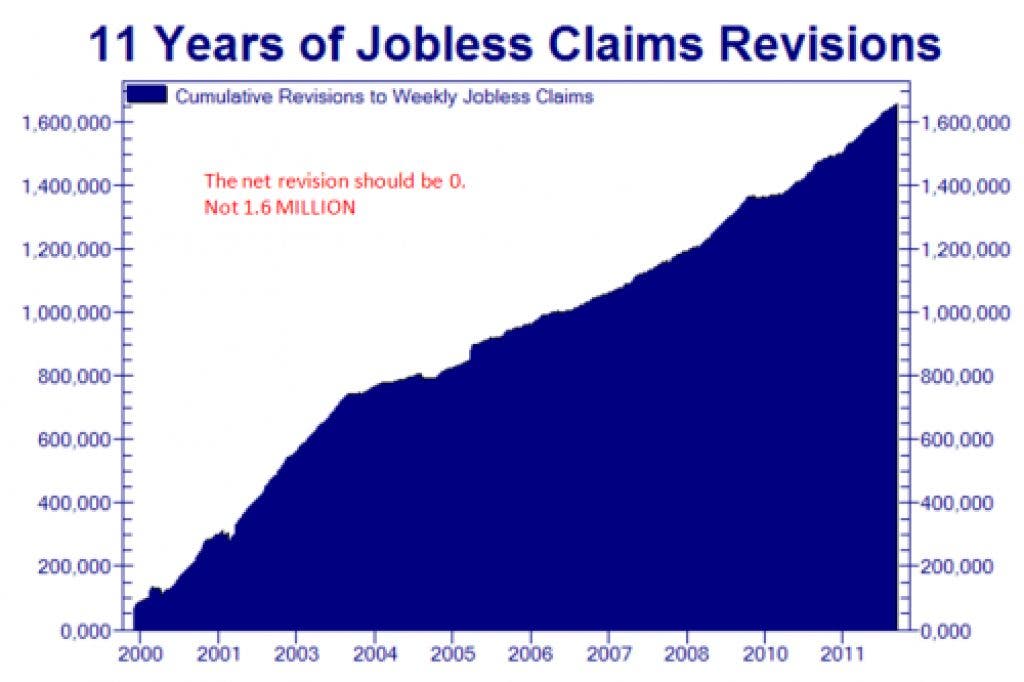

It's election season when politicians spar over the economy and unemployment. Unfortunately, the statistics are massaged and revised to put the best face on ugly unemployment numbers during an election year.
The unemployment rate is determined by a national telephone survey of 60,000 households. It does not accurately reflect the number of underemployed (people who can't get enough work) and discouraged workers (those who have stopped looking for work because it's hopeless).
The unemployment number is also frequently revised months later, nearly always upward. If these "revisions" were legitimate, the long term cumulative adjustment would be zero. In fact the cumulative adjustment is 1.6 million since 2000. In other words, the headline unemployment number in the news is chronically understated.
Find out what's happening in Long Valleyfor free with the latest updates from Patch.
Approximately 120,000 new jobs must be created each month just to keep up with the population growth, thus the more realistic metric of employment is the percentage of Americans with a job (population ratio). This ratio is not improving.
When you overlay the population ratio with the unemployment rate, there is a very noticeable divergence lately between the two, which strongly suggests that the 2% improvement in unemployment is fictional. The economy is just barely creating enough jobs to keep 58% of Americans employed, but not enough to catch up to the number of jobs lost in the recession.
Find out what's happening in Long Valleyfor free with the latest updates from Patch.
This begs one simple question: How many Americas know they are being lied to about a 2% "improvement" in unemployment?