Community Corner
Understanding the Market Recovery
The stock market's recovery seems irrational, we explain why it may be more rational than it seems.
This post is sponsored and contributed by a Patch Community Partner. The views expressed in this post are the author's own, and the information presented has not been verified by Patch.
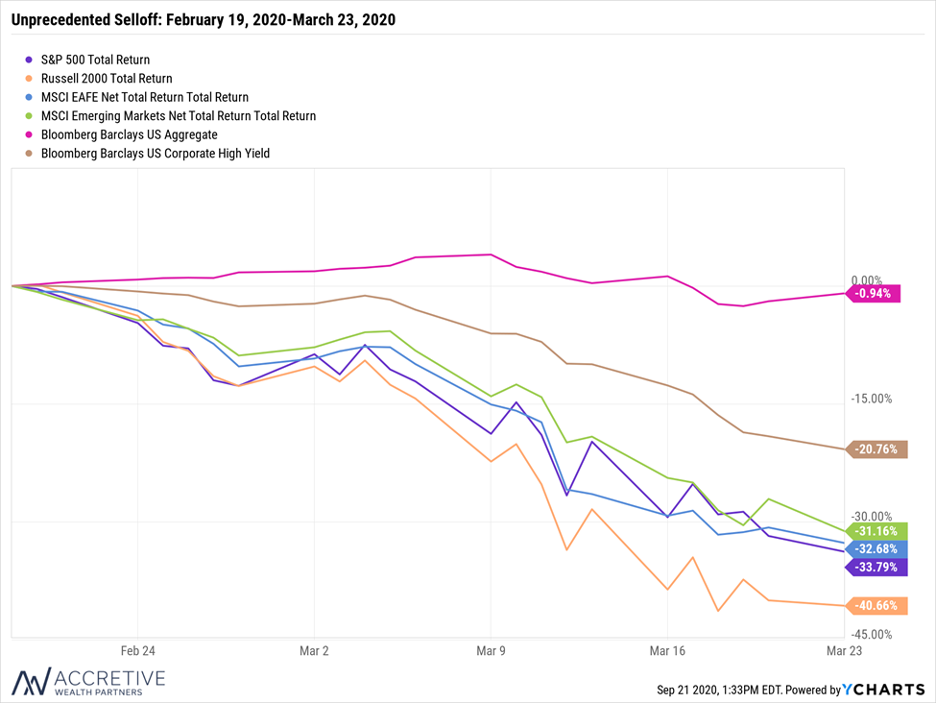
The COVID-19 pandemic has dramatically altered our daily lives and rocked the global economy as countries struggled to confront and contain the spread of the virus. We have seen an unprecedented decline in GDP, an unprecedented rise in unemployment, unprecedented fiscal support from governments, unprecedented monetary support from the Federal Reserve, and an unprecedented market selloff.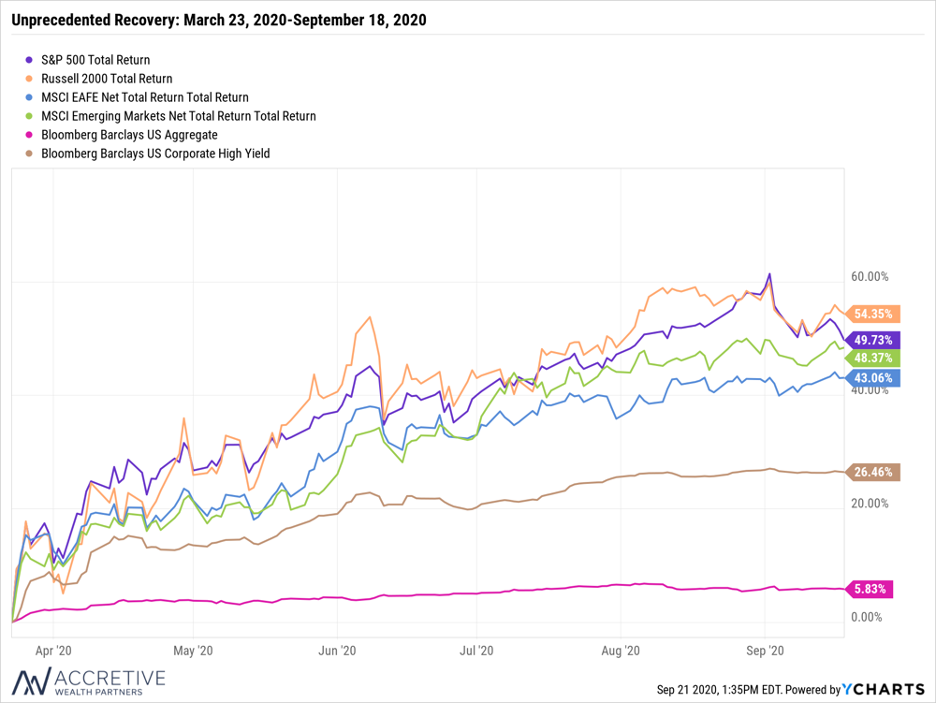
The recovery has also been unprecedented. In the midst of the crisis, we wrote to clients that we felt that markets could recover when three conditions were present: large fiscal support for the economy from the US government, monetary support from the Federal Reserve, and some evidence that containment efforts could be effective. While we felt we were among the more optimistic on the markets recovering this past spring, even we are a bit surprised by the speed at which they recovered.
Find out what's happening in Long Valleyfor free with the latest updates from Patch.
During the last 6 months, we have had a lot of conversations with clients and other investors struggling to understand why the market has recovered so fast. Based on our conversations, we believe too many people have focused on all the unanswered and unanswerable questions while not putting enough weight on what is known and knowable.
While we do not know how long the COVID-19 pandemic is going to last or how long it will take for the economy to fully recover, we do believe that the Federal Reserve has stabilized capital markets and, in general, think corporate America has access to the liquidity needed to make it through to the other side of the crisis. Politicking has stalled talks on a fresh round of stimulus but policy makers on both sides of the aisle generally agree that more is needed and coming.
Find out what's happening in Long Valleyfor free with the latest updates from Patch.
While it may not seem entirely rational, equities are long-term assets and a couple quarters or even a year or two of poor earnings have a small impact on long term valuations, provided there is enough capital to weather the downturn. Key inputs like future growth prospects, looking out past the pandemic, and interest rates have a more significant weighting in market valuations. Policymakers are providing a lot of stimulus, very low interest rates, and ample liquidity, the effects of which we expect to linger well past the pandemic.
Against that backdrop markets have climbed a wall of worry. Many investors who panicked and sold their portfolios in March have seen markets recover may be wondering when to get back in. We think the future is always uncertain and today is always a difficult time to invest. We believe investors are best served by an investment strategy and financial plan they can stick with, in both good and bad markets.
Gary Ribe, CFA, CFP® is the Chief Investment Officer of Accretive Wealth Partners, LLC
Disclosures:
Accretive Wealth Partners, LLC (“Accretive Wealth”) is a registered investment advisor. Advisory services are only offered to clients or prospective clients where Accretive Wealth and its representatives are properly licensed or exempt from licensure. Visit www.accretivewealthpartners.com for important disclosures.
This is a sponsored post contributed by a Patch Community Partner, a local sponsor. To learn more, click here.