Kids & Family
Middletown Farm Owners For Those With Autism Settle With Neighbor
The owners of a Middletown-based working farm for young adults with autism settled with their neighbors on Navesink River Road.


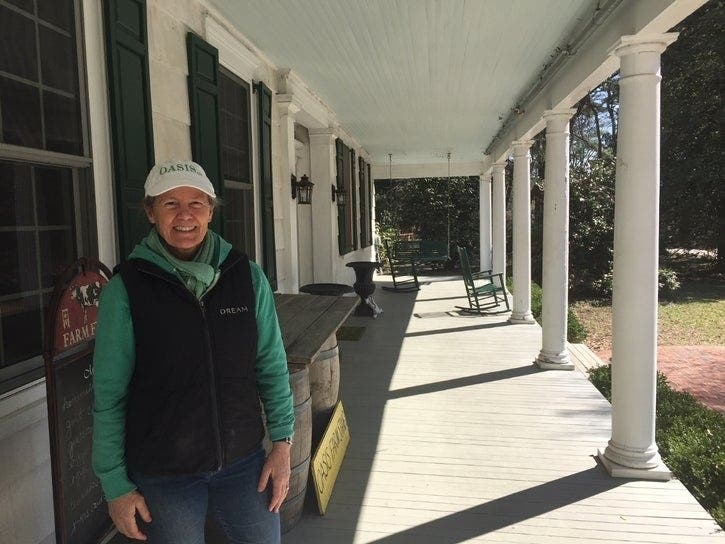


MIDDLETOWN, NJ — The owners of a Middletown-based working farm for young adults with autism and their Navesink River Road neighbors — who had been feuding with each other — have both agreed to drop lawsuits they had filed against each other.
Oasis Therapeutic Life Centers, Inc. and its neighbors, Peter and Susan Wade, released the following joint statement Friday:
“Oasis has agreed to withdraw its complaint against only the Wades — not any other defendants — and the Wades have agreed to withdraw their recently granted Petition for Certification to the New Jersey Supreme Court of the Appellate Division's ruling.
Find out what's happening in Middletownfor free with the latest updates from Patch.
For several years now Oasis, which is owned and operated by Joan Mai Cleary and her husband, has consisted of two "working farms" for young adults with autism, one on Sleepy Hollow Road and the other on Navesink River Road, a tony address that counts Gov. Phil Murphy and rocker Jon Bon Jovi as fellow residents. Cleary founded Oasis in part for her son, who has autism and is now in his mid-thirties. He and other young adults with special needs live full-time on both properties, doing animal husbandry, gardening, farming, and selling fresh goat milk and eggs at local farm stands.
Speaking to Patch on the phone Friday afternoon, Cleary said she counted the ending of the lawsuits "a victory."
Find out what's happening in Middletownfor free with the latest updates from Patch.
"The negativity is over," she said. "I can get back to my mission: Working on Oasis, and expanding this as a model program across the U.S."
Cleary had been feuding with her neighbors, the Wades, at the Navesink River Road location. The Wades sued Oasis, and then the Clearys counter-sued for harassment.
As part of their settlement Oasis acknowledged this week that:
- No autistic individuals lived at the Oasis property at the time the allegations were made against the Wades
- the Wade's objections (i) to Oasis' acquisition of the Wyer property and (ii) to Monmouth Conservation Foundation's proposed grant were not motivated by any discriminatory animus against the autistic community
- the referenced " graffiti" was a Miami Heat logo painted on the Wades' property, and was, similarly, not motivated by any discriminatory animus against the autistic community
- the Wades' placement of manure was in the same location they have used for the past 25 years. That location was on a corner of both Oasis property and Wade property, but is 600 feet from the Oasis residence. The Wades' action was not motivated by any discriminatory animus against the autistic community
- the Wades' legal erection of a fence on their property did not block emergency vehicle access and was not motivated by any discriminatory animus against the autistic community
- the Wades' offer to purchase the Wyer property was not a sham offering and was made in good faith and was not motivated by a discriminatory animus against autistic individuals
- The Wades' did not offer James Wyer $250,000 to breach his contract with Oasis.
Previously, Oasis had alleged the above actions were bullying and discrimination against their facilities, something the Wades have for years vigorously denied.
"Mr. & Mrs. Wade are pleased Oasis TLC has withdrawn all allegations against them," said the couple's lawyer, Leo Hurley, Jr. of Connell Foley in Jersey City. "In the face of humiliating press coverage, social media threats, and the required financial commitment, the Wades chose to stand on principle and endure the emotional stress to defend their reputations. Despite the conflict, Peter and Susan continue to believe Oasis offers an invaluable service to autistic individuals, their families and the community at large."
"Oasis believes that the final resolution of this lawsuit, including its historic victory in the Superior Court of New Jersey, Appellate Division (where an appeals judge ruled that OASIS was entitled to seek damages against the Wades because it provides benefits to people who are protected by the Law Against Discrimination) is a victory not only for Oasis, but also for the autistic community as a whole," said a lawyer for Oasis, Steven Holinstat of Proskauer Rose in Manhattan. "By finally resolving this matter, Oasis can now focus full time on its mission of helping young adults with autism thrive in their communities.”
Patch toured the farm last year, and Cleary said her reasons for founding Oasis are simple: "Children with autism grow up."
"You know, autism doesn't just go away. There's so much focus today on providing support for children with autism, but people spend far more of their lives as adults," she said. "And by age 21, they phase out of the public school system."
Oasis is open to adults ages 18 to 27. Cleary said ideally, young people stay at Oasis for four to five years, and are then better equipped to work in the world.
"They're learning how to live away from home; they're learning social skills," she said. "We have a range of people here, from non-verbal to high-functioning adults with autism. But even for those who are high-functioning — these people are still working hard to get through the day. It's stressful for them."
Read more about Oasis: Tour Oasis, A Working Farm For Adults With Autism In Middletown (March 2019)
Initial Patch report about the feud and the dueling lawsuits: Middletown Neighbors Fought Farm For Autistic Adults, Suit Claims (December 2018)
Click here to get Patch email notifications on this or other local news articles or get Patch breaking news alerts sent right to your phone with our app. Download here. Follow Middletown Patch on Facebook. Have a news tip? Email the Middletown Patch reporter, Carly.baldwin@patch.com
Get more local news delivered straight to your inbox. Sign up for free Patch newsletters and alerts.