Politics & Government
Moorestown Democrats Respond To State Standards On TCP 123
The New Jersey Department of Environmental Protection set an MCL for the contaminant that has been an issue for Moorestown last week.


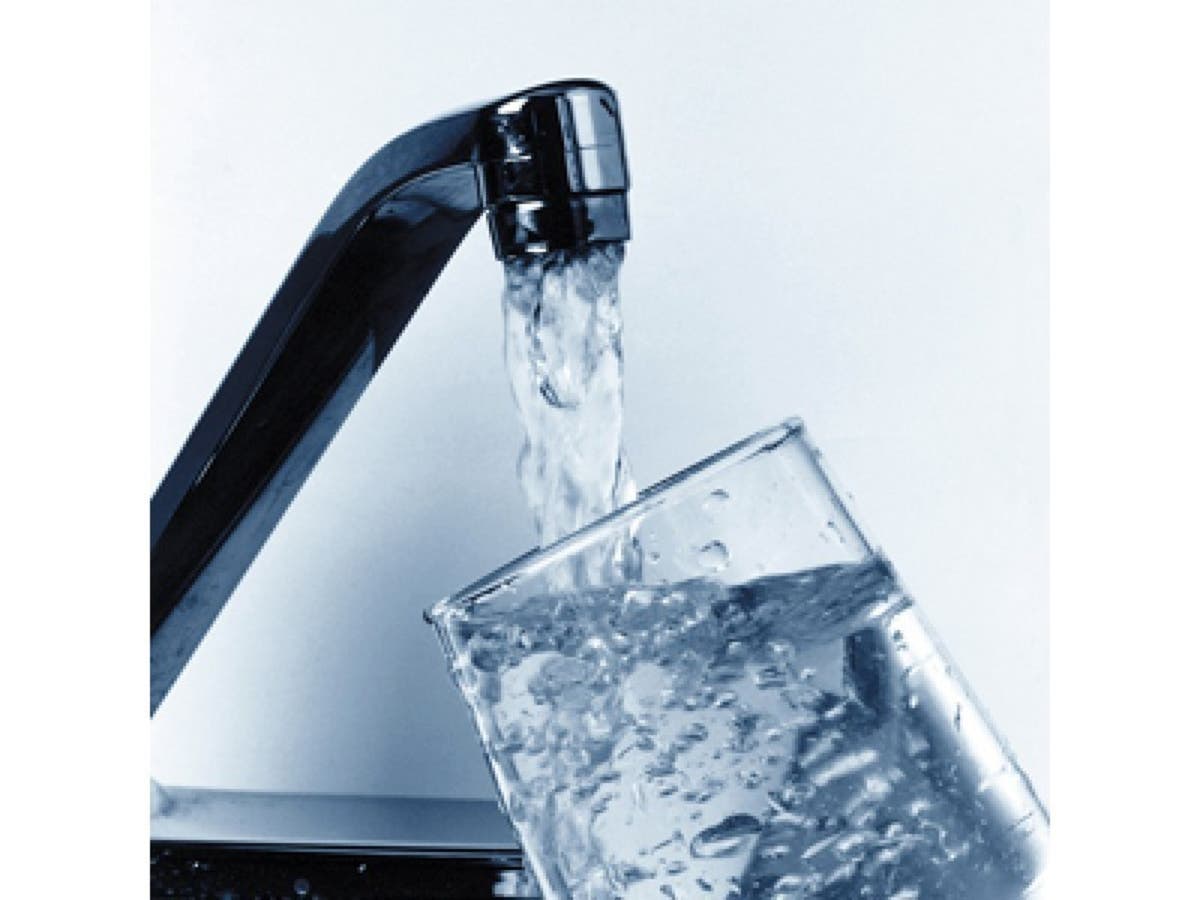
MOORESTOWN, NJ — The Democratic candidates for Moorestown Council in the November elections believe recent standards set by the New Jersey Department of Environmental Protection (NJDEP) for trichloropropane 123 (TCP 123) need to be stronger. Nicole Gillespie and Brian Donnelly further said that if elected, they would work to make sure the township has clean drinking water.
Last week, NJDEP set a maximum concentration level (MCL) of 30 parts per trillion (PPT) for TCP 123, a previously unregulated contaminant that was first found in Moorestown’s drinking water in 2013, and has been the center of much controversy since.
“We are glad that a limit on one of Moorestown’s longstanding and dangerous drinking water contaminants, TCP, has finally been set by the DEP,” Gillespie and Donnelly said in a joint statement. “Residents are rightly concerned about the safety of their drinking water. Although the DEP limit of 30 ppt is a step in the right direction, it is twice as high as the limit proposed by Senator Troy Singleton (S74), and 6 times as high as the limit set by the state of California based on best science of the known impacts of TCP on human health.”
Find out what's happening in Moorestownfor free with the latest updates from Patch.
TCP is a completely manmade element likely to act as a carcinogenic in humans, according to epa.gov. However, it is not considered a contaminant because there are no federal standards in place. California’s MCL is 5 PPT.
Democrats — including a member of Moorestown Council — first raised the issue with the council as a whole in 2014. Former councilman Greg Newcomer worked with then-Assemblyman Singleton and Herb Conaway to propose legislation to set an MCL that year. Earlier this year, Singleton introduced proposed legislation that would set the MCL at 15 PPT.
Find out what's happening in Moorestownfor free with the latest updates from Patch.
Initially, Moorestown Council Members expressed concern about setting an MCL for TCP 123 because it was not classified as a contaminant, but entered into an Administrative Consent Orderwith NJDEP after the state agency discovered the township had committed multiple violations. Read more here: Moorestown Enters Into Amended Consent Order For Water Treatment
The township is also upgrading its water treatment plants at North Church Street, Hartford Road and Kings Highway. But Gillespie and Donnelly, who are running against Deputy Mayor Manny Delgado and his Republican running mate Jamie Boren in the Nov. 6 elections — say more needs to be done.
“Moorestown deserves leadership that will finally take this problem seriously, address the concerns of residents factually and transparently, and identify clear plans and timelines for a permanent solution to the contaminants in our drinking water,” Gillespie and Donnelly said. “The stop-gap filtration systems currently in place cost millions of dollars, and don’t address other dangerous contaminants in our water like 1,4-dioxane. Furthermore, these filters have already been in place for longer than intended. It is unacceptable that current Council has laid out no long-term plan for a permanent fix, likely to cost taxpayers on the order of tens of millions of dollars in future debt. Equally concerning, current leadership has taken no meaningful action to hold polluters accountable and recover damages for taxpayers, despite promising to do so more than a year ago.
“There is nothing more important to us than the health, safety and long-term financial security of our town. If elected on November 6, we promise Moorestown residents that we will do everything within our ability to permanently eliminate detectable levels of toxic contaminants such as TCP, tricholoroethylene, and 1,4-dioxane in our drinking water. We will routinely, transparently and proactively communicate and engage with residents, to ensure the highest levels of quality information are being provided to the public. We will lay out a long-term plan for how we will remedy our water contamination issues, including how to responsibly pay for it. Finally, we will aggressively pursue the polluters to ensure they are held financially accountable.”
For more on New Jersey’s water quality standards, click here.
See related:
Moorestown Closes Two Water Wells To Evaluate Unregulated Contaminant
Moorestown Takes First Step Toward Permanent Solution For Water Issues
Moorestown Water Upgrade Project 7 Months Behind
NJDEP Approval Puts Moorestown On Path To Water Treatment
Image via Shutterstock
Get more local news delivered straight to your inbox. Sign up for free Patch newsletters and alerts.