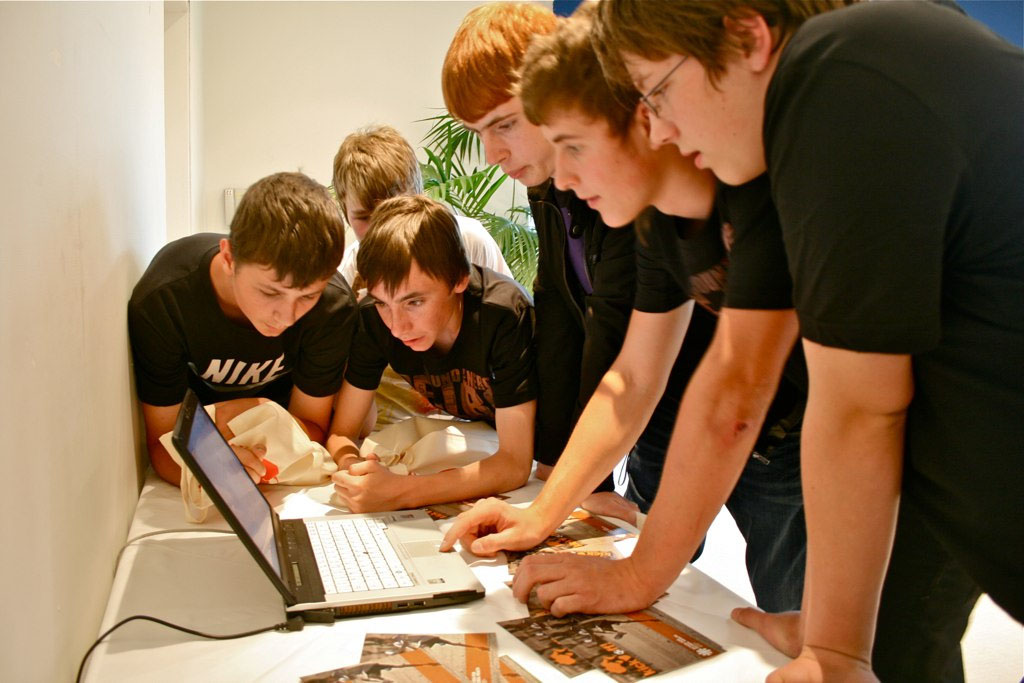
When you look at the kinds of trouble teens can get themselves into, gaming may not seem like a bad idea. Your children are safe and sound at home and they are quiet and occupied in their rooms. But don’t be fooled: too much gaming can affect almost every aspect of your child’s life from academic performance to social development and health.
Consequences of being "addicted" to gaming
The sedentary lifestyle encouraged by gaming can lead to childhood obesity and all its related problems. From the BBC: “Up to 90% of school leavers in major Asian cities are suffering from myopia - short-sightedness - a study suggests.
Find out what's happening in Ridgewood-Glen Rockfor free with the latest updates from Patch.
Researchers say the "extraordinary rise" in the problem is being caused by students working very hard in school and missing out on outdoor light.”
Coordination and muscle development can be stilted in students who choose to game rather than play sports or get active.
Find out what's happening in Ridgewood-Glen Rockfor free with the latest updates from Patch.
Disrupted sleep patterns mean your child is more susceptible to illnesses and has trouble paying attention.
Social development is negatively affected when online interaction is the only way your student socializes.
Is your child addicted?
Just because your child plays a lot of games doesn’t necessarily mean that she is addicted to gaming. The Center of Online Addiction outlines several warning signs to look out for:
· Playing for hours every day
· Thinking and talking about gaming even when engaging in other activities
· Lying to conceal the amount of time they spend playing games
· Feeling irritable or angry when they are not able to play games
· Playing online games to avoid dealing with real life, with problems, anxiety or depression
What to do about gaming addictions
The first step is to ascertain whether your child is just fond of gaming or whether they have an addiction. Most kids love to play games and will do so whenever they get the opportunity. It’s ok if they play games from time to time, but gaming should not take over their regular activities, hobbies and sports or socializing.
If you suspect that your student is addicted, start keeping records of how much time they spend gaming, the issues they are avoiding by gaming and the problems their habit causes.
It is important to try to curb your student’s gaming by setting limits or encouraging a wider range of activities. If this isn't working, or setting limits is difficult, it may be time to seek professional help. Treating gaming addiction is similar to treating any other kind of addiction; it takes time, patience and perseverance. We can certainly help if you need help and support with your student's academic performance.