Community Corner
Is Seton Hall Really a Party School?
SHU was ranked as high as fourth in the nation for partying in the late 1990s, but the 2000 Boland Hall fire had wide-ranging impacts on campus life.
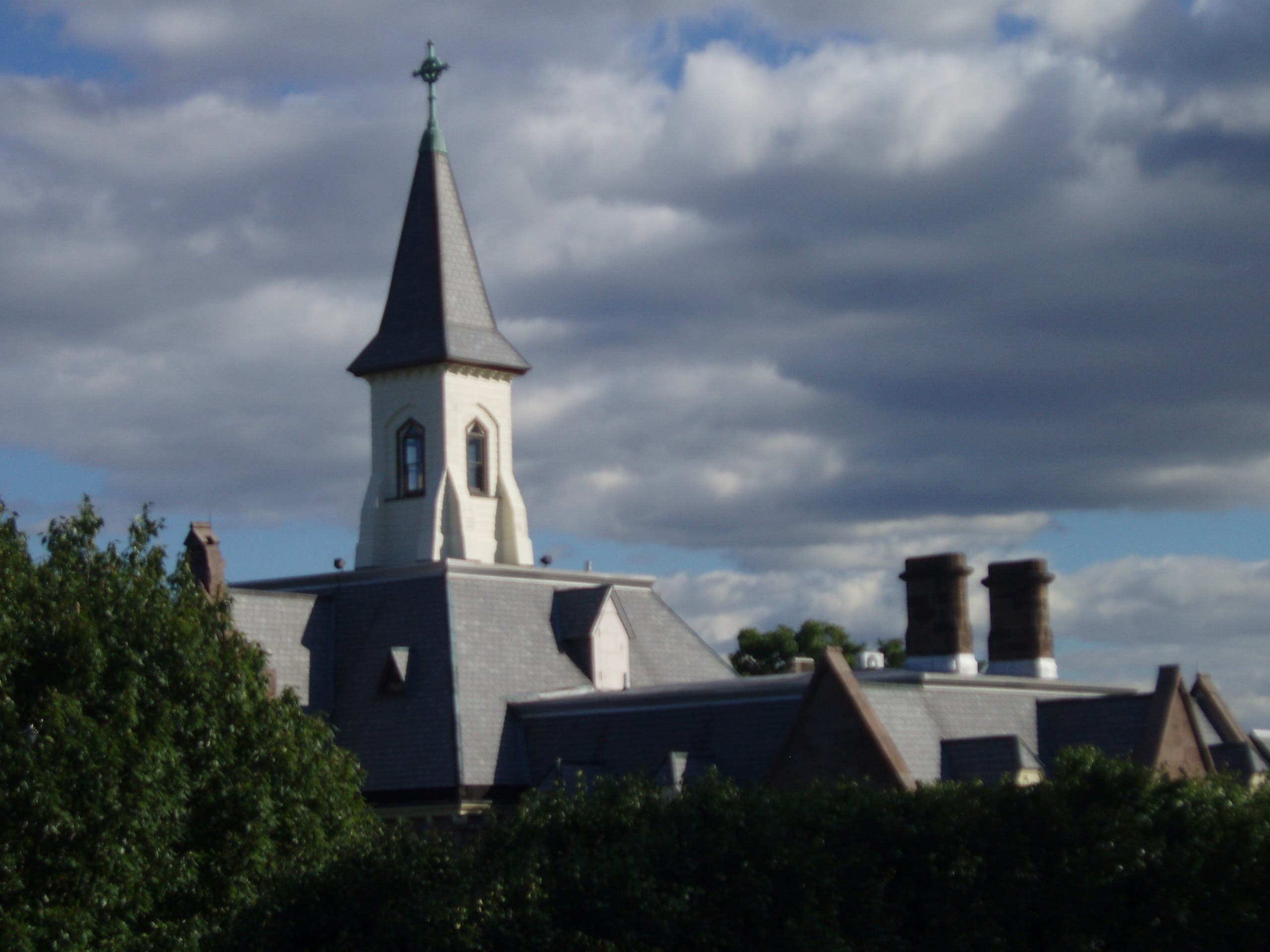
While the history of Seton Hall University is full of Catholic tradition, an ever-growing campus, and of course basketball, it has also been somewhat infamously linked in the past with partying.
For a school that cites a focus “on academic and ethical development” in its mission statement, classification as a party school seems to be a clash of values. This, coupled with widespread changes at the university following the Boland Hall fire of 2000, has led to a reputation change of sorts.
“In all honesty, I think most parties now happen off campus,” senior Meghan St. John said.
Find out what's happening in South Orangefor free with the latest updates from Patch.
As a current undergraduate at the Hall entering my junior year, I’ve seen a relatively quiet party scene since I first arrived. Students, of course, drink in their dorm rooms over the weekend or party with friends off-campus. The short train ride to New York and the bars in South Orange themselves are appealing to many as well.
“There is lots of drinking in the dorms, but it’s in rooms and intimate,” sophomore Michcella Tiscornia said. “Those that also stay in the dorms on campus are considered more well-behaved.”
Find out what's happening in South Orangefor free with the latest updates from Patch.
Drinking in dorm rooms is seemingly commonplace for a major university, making the difference between Seton Hall and other alleged party schools rather stark. For example, there is no row of fraternity or sorority houses near campus.
So how did Seton Hall once stand in high regard for partying?
It's more than likely that the idea snowballed as a result of national college surveys, like those compiled by the Princeton Review, US News & World Report, or Forbes.
It was the Princeton Review that listed Seton Hall as high as fourth in the entire nation for partying in the fall of 1999. A year prior, the magazine pegged the university as 10th.
Seton Hall was named that year among colleges like the University of Florida and Florida State University that have kept their slots in the top party school ranking for the better part of the last decade. The association was enough to make school officials respond.
Lisa Grider, a Seton Hall spokeswoman at the time, told The New York Times that the Princeton Review never even visited Seton Hall. She added that “the freshman residence halls are dry” and “we have no campus pub,” both facts that remain true to this day.
Whether or not the rankings were legit also became a debate topic among students and faculty alike.
The Princeton Review kept Seton Hall near the top of the poll as the 18th foremost party school in the country after a survey of 539 students in 2004, according to the university’s newspaper, The Setonian.
Students that spoke with The Setonian following the poll release provided mixed comments from “it doesn’t seem like anything goes on around here” to “the parties here are very secretive.”
“I think it’s mostly stayed the same,” senior Morgan Sansbury said, regarding the party scene since he arrived at Seton Hall. “There are no parties with loud music or beer pong being held on campus.”
A top publication for The Princeton Review, its book “The Best 357 Colleges,” quotes one Seton Hall student in 2005 in saying, “The town of South Orange hates college students.” The students surveyed claimed that the South Orange police had gotten more involved and cut down on the college party scene.
“The South Orange police are a lot stricter lately,” St. John said. “I think all of the changes have a lot to do with the community overall.”
But even I’ve heard that changes in student life were ultimately a result of how the university changed following the Boland Hall fire.
Seton Hall’s highest party rankings came before 2000, and it seems logical to draw a tie to the deadly blaze that had a significant impact on campus life. One alumnus of the school from the early 2000s told me that full keg parties once occurred on the university’s Green prior to the fire. Nowadays, the Green draws the largest crowds for school-sanctioned events, such as outdoor movie screenings or carnivals.
“I think there is a lot going on on the campus to stop partying,” Tiscornia said, citing the numerous programs and events held by the university’s Student Activity Board and Housing and Residence Life groups. “It’s not that it (partying) isn’t happening, but it’s just somewhere else.”
The only Seton Hall that I’ve known has been the post-Boland Hall fire one, and the impact of the tragedy on students looking to party is still known. It’s almost a legend passed down from senior classes of past years that everything on campus tightened in the aftermath of the tragedy.
In any event, the Hall is no longer ranked among the U.S.'s top hard-partying colleges. Instead, the buzz on campus is about national rankings overall for the university, such as the most recent 2009 Forbes placement of Seton Hall as the 444th best college in the country.
“Kids go home on the weekends,” Sansbury said. “This is still a commuter school.”