Arts & Entertainment
Bubblegum Rockers the 1910 Fruitgum Co. Play Springfield's Fourth of July
The band plays Meisel field on Monday.


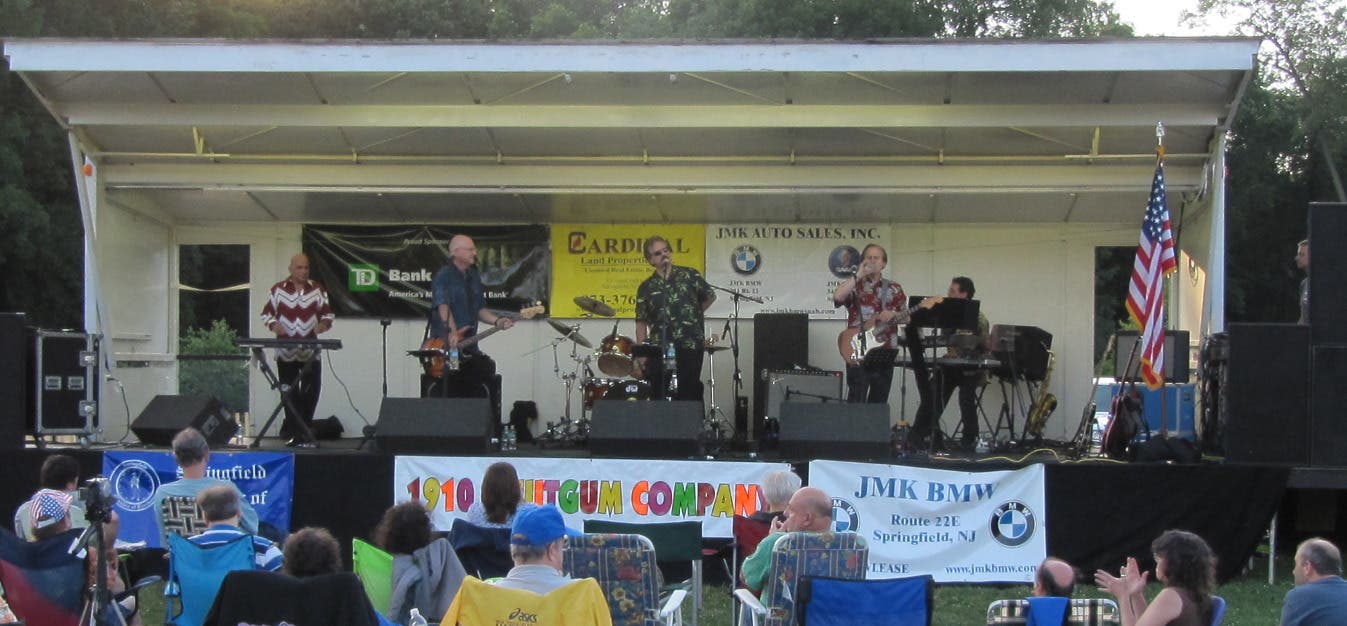

In the 1960s, the 1910 Fruitgum Company had more top ten hits than Janis Joplin and Jimi Hendrix combined. But, as song titles like "1-2-3 Redlight" and "Simon Says" illustrate, the group were aimed at a different market than the famed psychedelic '60s idols.
The Fruitgum Company, who play , were at the forefront of the late '60s musical genre of bubblegum rock. Along with likeminded groups like the Lemon Pipers, the Ohio Express and the Association, the Fruitgum Company rocketed to the top of Billboard's top 40 charts with simple, brightly produced pop tunes. With songs about candy, crushes and games, the Fruitgum Company and their cohorts courted mostly female fans in their early to mid teens.
It wasn't exactly what the Jersey garage rockers had in mind when they entered the recording studio, though. First formed as Jeckell and the Hydes, the Linden-based group wanted to pursue sounds similar to those played by contemporaries like Cream and Vanilla Fudge.
Find out what's happening in Springfieldfor free with the latest updates from Patch.
"We weren't a garage band of young guys who wanted to play bubblegum, that's for sure," founding member Frank Jeckell said. "But you can't argue with success."
That success was first attained with the song "Simon Says." Written by an outside songwriter, the song was originally resisted by the band. Jeckell and the producers from their record label Buddah records insisted on recording the song, and once they added a beat inspired by Sam the Sham and Pharoahs' "Wooly Booly," they made the song their own.
Find out what's happening in Springfieldfor free with the latest updates from Patch.
Simon Says reached the top ten in 1968, at a time when pop music was becoming increasingly ambitious and psychedelic. The Beatles were stretching out the length of pop songs with the epic "Hey Jude," the Doors and the Rolling Stones were putting out increasingly dark music, and groups like Steppenwolf and Iron Butterfly were writing the Heavy Metal playbook. Meanwhile, the Fruitgum Company were appearing on TV in suits, smiling their way through uptempo pop tunes.
"Our music was different," Jeckell said. "It was fun, happy, goodtime pop. We like to think of it—those were difficult times, with the Vietnam War cranking up, and it wasn't fun. We felt that with music like Simon Says, we tried to make people happy."
Not that they existed in a total music vacuum.
"If you came to one of our concerts, yeah, we would have played 'Simon Says,' but the rest of our set was Cream, Vanilla Fudge and stuff like the Stones," Jeckell laughed.
Jeckell said that, in a way, the interest in more hard edged sounds led to the undoing of the group. While they had continuing chart success with songs like "1-2-3 Red Light" and "Indian Giver," the senior members of the group grew restless with the pop sounds and left the group.
By the early '70s, bubblegum music out of favor, and the band, which had already lost most of its founding members split for good. A new generation of musicians would find inspiration in their uptempo pop hooks.
"It's a known fact that Joey Ramone said we were a big influence on the Ramones," Jeckell said.
In addition to praising the Fruitgum Co., the punk godfathers also covered "Indian Giver." Joey, Dee Dee and Co. weren't the only New Wave stars enamored with the Fruitgum Co.; the Talking Heads were fans and frequently played "1-2-3 Redlight" at early concerts.
Since reforming in the early 2000s, Fruitgum Co. have treated audiences to shows featuring their recorded hits and sets of R&B and classic rock covers. Jeckell said that just like when they started out, taking their music to their fans remains fun.
"We wouldn't do it otherwise," Jeckell laughed.
Get more local news delivered straight to your inbox. Sign up for free Patch newsletters and alerts.