Community Corner
$457K Soccer Theft Part Of A Troubling Trend Of Fraud Cases
Theft allegations and fraud charges involving community groups are on the rise. Why? What can be done to stop it?


The number was stunning: $457,000, allegedly stolen over the course of four years from a local soccer organization by the adult entrusted to handle its finances.
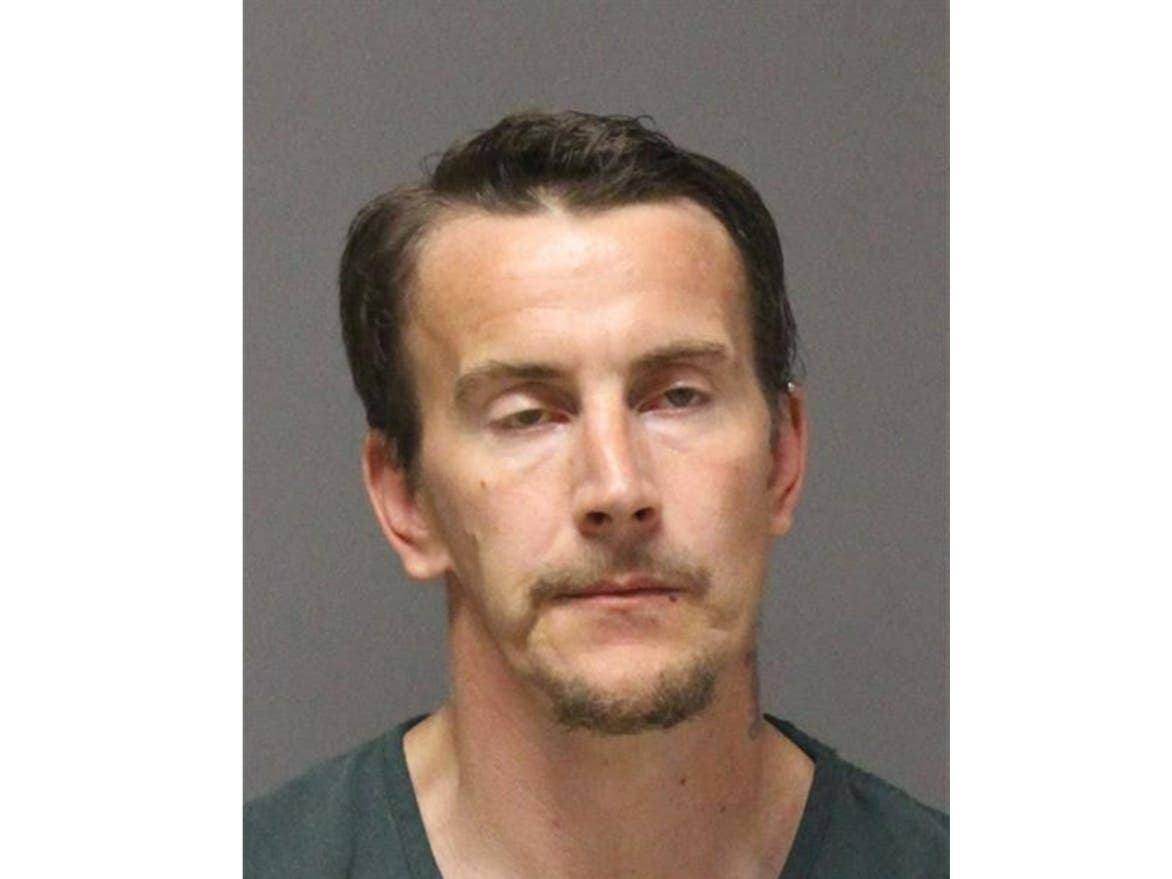
The indictment of Anthony Gallo, 58, of Freehold Township on Tuesday on charges he took the money from the Freehold Soccer League is hardly the first time the issue of thefts from volunteer organizations has arisen in New Jersey in the last few years.
A Google search turned up more than a half-dozen arrests and case dispositions in the last 18 months, including:
Find out what's happening in Toms Riverfor free with the latest updates from Patch.
- In July 2016, the former president of the Point Pleasant Beach Little League was charged with taking more than $10,000 from the youth baseball league.
- In August 2016, the former treasurer of the Manchester Volunteer Fire Company was charged with taking more than $30,000 from the fire company.
- Also in August 2016, the former treasurer of the Robertsville Volunteer Fire Company in Marlboro admitted to stealing more than $60,000 over a six-year period.
- In February 2017, the former president of the Essex County Sheriff's Officers PBA was accused of stealing more than $14,000 from the organization.
- In March 2017, the former president of the Secuacus High School athletic booster club accused of stealing more than $25,000 from the booster club, according to NJ.com.
- In April 2017, the former treasurer of a fire association in Woodbury Heights was accused of stealing more than $171,000 over a six-year period, according to an NJ.com report.
- In June 2017, the former treasurer of the South Jersey Elite Youth Football League was sentenced to nearly a year in jail for stealing $56,000 from the organization.
- In August 2017, the former president of the Cape May PBA admitted to stealing more than $105,000 from the union, according to NJ.com
- In November 2016, the former treasurer of a Toms River Boy Scout troop was sentenced to probation and ordered to repay $13,500 she stole from the troop, according to an Asbury Park Press report.
According to Giving USA, which tracks charitable giving nationwide, more than $390 billion was donated to organizations of all kinds last year, from churches to the United Way to animal shelters to youth sports. A third of that $390 billion goes to religious entities, such as churches and synagogues, the organization notes.
But how much money is donated to small organizations such as those above is unclear because no organization specifically tracks those figures. A July 2016 report by the New York Times on fraud in youth sports quoted the National Center for Charitable Statistics as saying the roughly 14,000 youth sports organizations in the country collect roughly $9 billion annually.
Find out what's happening in Toms Riverfor free with the latest updates from Patch.
While organizations like Guidestar and Charity Navigator track national and large regional nonprofit organizations, looking at and grading how they spend the money they take in, community-based organizations rarely receive that level of scrutiny until a problem arises.
Often, that problem is the inability to pay an important bill that goes to the heart of the organization's function, such as purchasing uniforms.
Erik Carrozza, the founder of the national Center for Fraud Prevention, said he believes there are three reasons that theft and embezzlement cases are so prevalent among community-based volunteer organizations.
"First, it's a nonprofit. They typically don't have the resources for industrial strength oversight" like you would see in a corporation, he said. Second, "people are less likely to challenge and confront other community members, someone who's their neighbor or friend."
Third. because these organizations are run by volunteers, there's a dual unwillingness to confront and criticize someone who's giving their time and a fear of being sucked into a role that many people do not want, Carrozza said.
He has been tracking fraud cases in youth sports for eight years, gathering much of his information from news reports about the cases. Carrozza estimated more than $20 million in thefts have been prosecuted, and he's tracked more than 250 cases in nearly every state in the U.S.
Cases as large as the theft Gallo, the Freehold Soccer League treasurer, is accused of, are rare, from what Carrozza has seen. The worst case he's tracked was a husband and wife in Michigan who were convicted of stealing nearly $1 million from a youth hockey league.
"Most of the cases are $30,000 to $50,000, over 5 to 7 years," he said. In some cases the theft has been going on much longer.
Carrozza said he also believes the issue is far more prevalent than the cases that result in public charges and news reports. "I believe it's rampant and widespread," he said. In one case he tracked that involved a treasurer taking funds from a wrestling club and a Little League, one board voted 3-2 to pursue charges.
"It was one vote that made it public," instead of brushing it under the rug, Carrozza said. At times, boards will opt to handle a case internally because they fear a negative response, both in terms of their performance as board members but also in terms of negative impacts on fundraising efforts.
"They don't want to be seen as not doing their jobs," Carrozza said.
What steps can an organization take to try to prevent fraud from happening in the first place?
Carrozza said the keys are transparency and oversight. "Youth sports embezzlement isn't sophisticated," he said. "It's people writing checks to themselves or using the ATM card improperly."
The treasurer of the Howell Girls Softball League, for example, was charged with stealing $40,000 from the league, using the league's debit card to pay his home’s landscaping and utility bills and to post his own bail for a previous arrest, Howell police said at the time of his May 2016 arrest.
Carrozza suggested three things:
- Insist that copies of bank statements are provided on a monthly basis. "That will prevent the use of an ATM card for things like buying NFL tickets," he said, which has happened in some fraud cases. If everyone is looking at the bank statement, an unusual purchase will stick out immediately.
- Split up the duties of the position. Have one person handle deposits and checks. Have someone else balance the accounts and provide detailed financial statements of what money came in, what went out and how it was spent. That prevents one person from hiding illegal activities.
- Have tight restrictions on reimbursing board members for expenses, as well as on the use of debit cards.
"Just having dual signatures on the checking account isn't enough," he said. "It's too easy to forge a signature."
The most difficult aspect of these situations, he said, is being someone outside the organization's administration who suspects there's an issue. Going about proving it can be difficult, particularly if the board or the person push back against attempts to demand transparency. "Sometimes there's retaliation," Carrozza said, with kids being thrown off a team because the parent is demanding accountability.
That's where town officials need to step in and demand accountability, he said.
"These organizations are using township fields and facilities," he said. "They are in a position to require evidence of a certain level of financial responsibility," and that groups using their facilities have "reasonable policies and procedures in place to prevent fraud."
Because fraud in one organization in a town can cast a pall on others within that town or nearby. In Berkeley Township, the PTAs at all the township's elementary schools took measures to ensure fiscal accountability and transparency after the treasurer of one was caught stealing $35,000 from her school's PTA back in 2006. And theft from the town's softball league in 2008 only added to the scrutiny of fundraising requests from a number of the town's organizations in the years that immediately followed.
"I really do believe this is a fixable problem," Carrozza said. It takes awareness of the potential for fraud and a willingness to implement simple changes and transparency that can deter someone who has access and uncover it before it reaches a level that threatens to bankrupt the organization.
"If two or three members of a board go through some kind of training or certification, it puts them in a better position to challenge someone" when issues of transparency arise.
Image via Shutterstock
Get more local news delivered straight to your inbox. Sign up for free Patch newsletters and alerts.