Albany, NY|Local Classified|For Sale|

Practical Equipment Choices for Modern Aquaculture Feed Production
Meeting the Feeding Needs of Aquaculture
Aquaculture businesses need feed that suits the species they raise, the size of their fish, and their feeding methods. Producing feed on-site can give fish farmers greater control over ingredient selection, pellet specifications, and production schedules. However, the equipment must match the intended feed formulation and the farm's actual requirements.
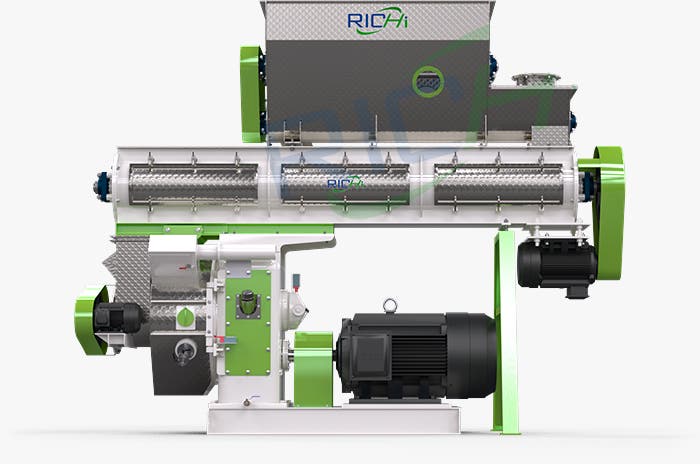
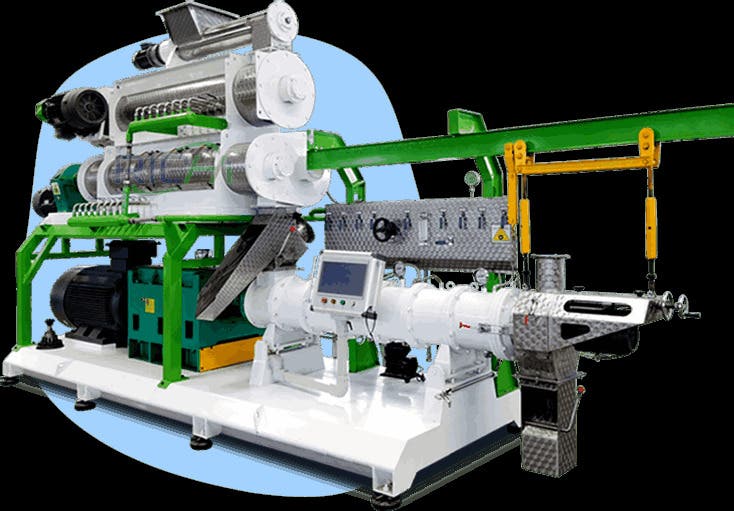
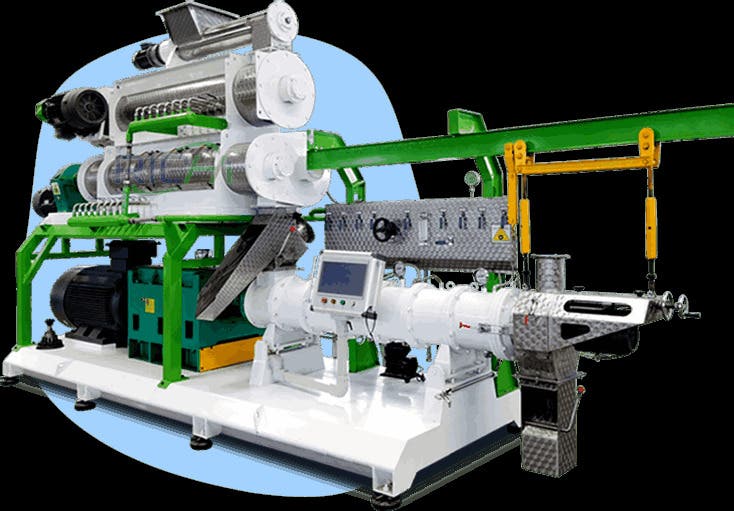
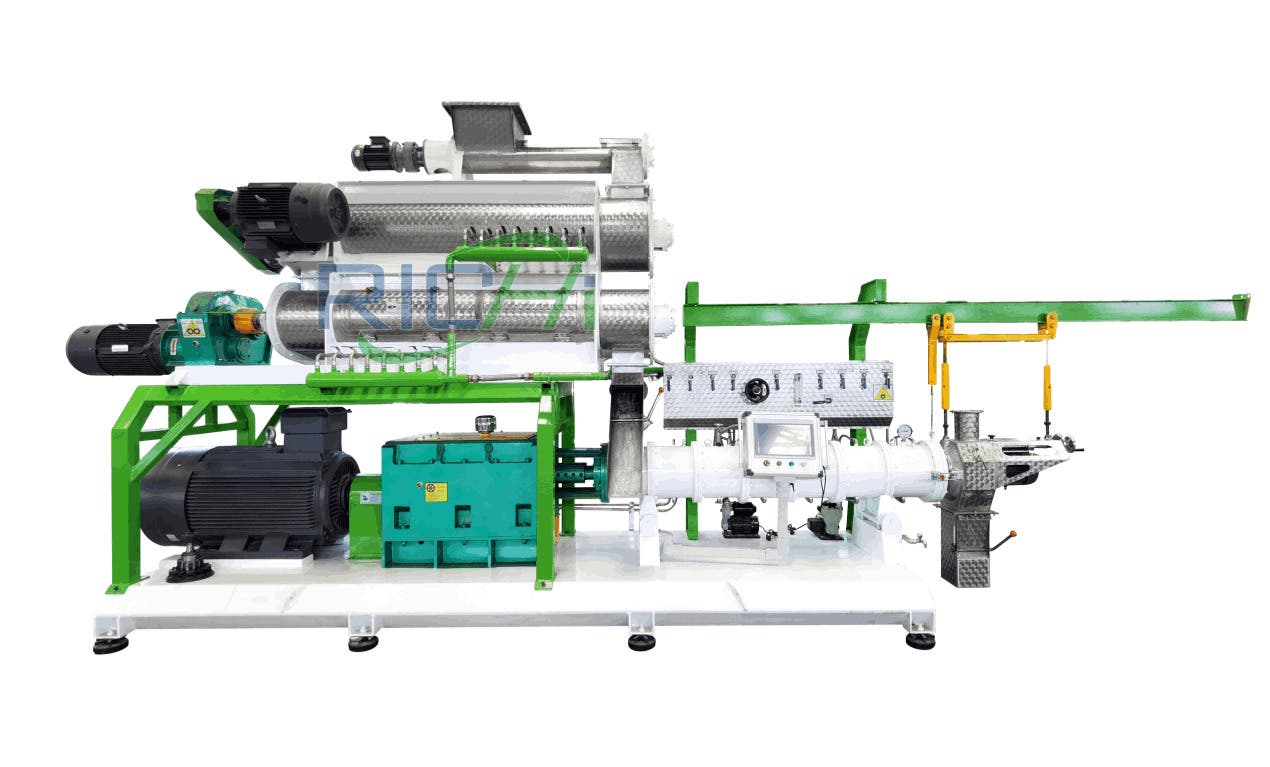
A fish feed pellet making machine can compress prepared feed ingredients into pellets suitable for particular aquaculture applications. Depending on the technology used, a production system can manufacture sinking pellets or incorporate extrusion equipment to produce floating feed.
These products serve different feeding purposes. Buyers should therefore determine the target fish species, pellet diameter, buoyancy requirements, and expected daily feed consumption before choosing machinery.
Sinking Feed or Floating Feed?
The intended product determines which processing technology is appropriate.
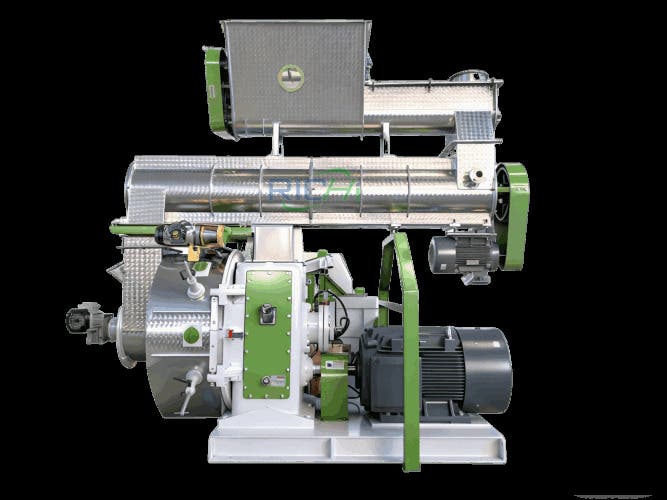
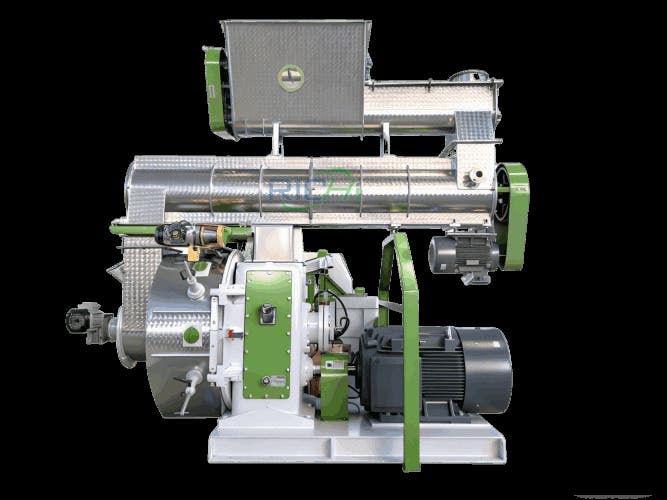
Sinking pellets are commonly used for species that feed near the bottom or in the water column. Conventional pellet mills can manufacture these products by compressing conditioned feed material through a die.
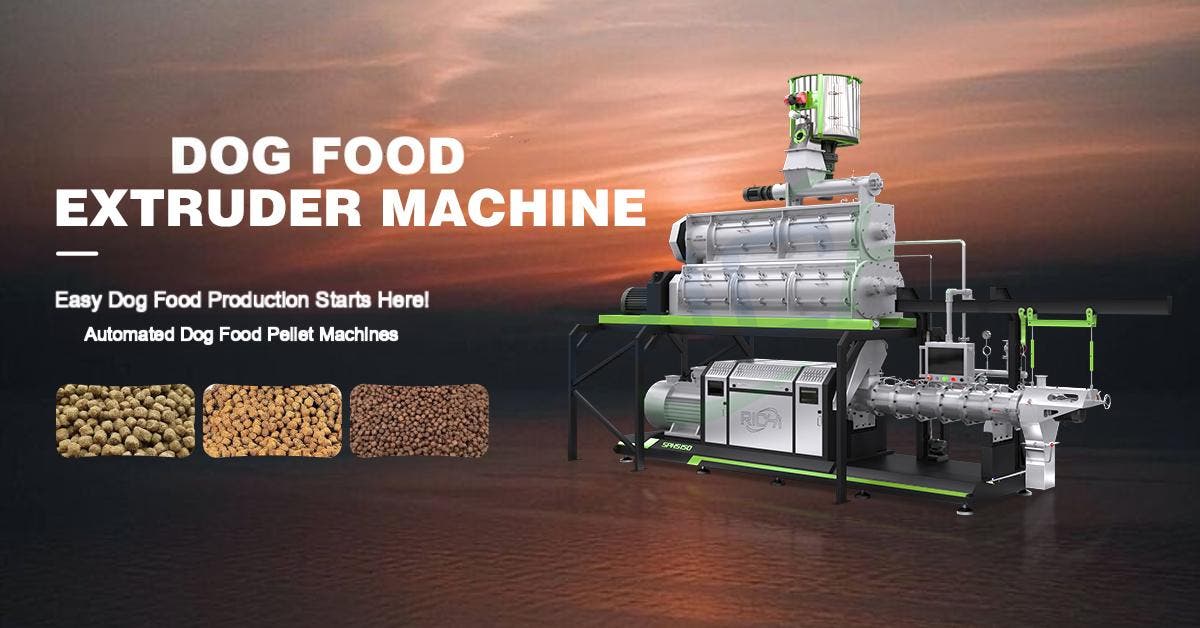
Floating feed generally requires extrusion technology. During extrusion, heat, moisture, pressure, and mechanical shear change the properties of the mixture. As the material exits the die, pressure reduction can cause expansion, creating a structure that helps the finished pellets remain on the water surface.
A small scale fish feed plant for tilapia may use either sinking-feed equipment or an extrusion system, depending on the feeding strategy and the farmer's product requirements. Tilapia diets can vary considerably, so the formulation and processing method should be selected together.
Essential Equipment for a Small Production Facility
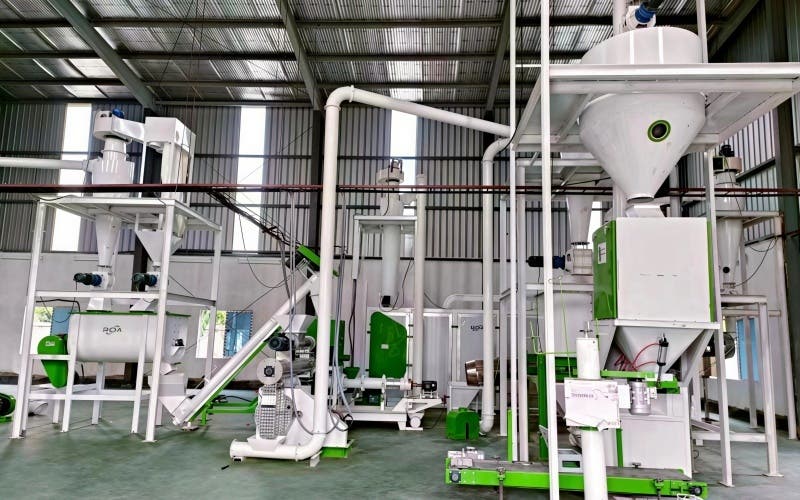
A practical fish feed processing setup may include the following equipment:
- Hammer mill: Reduces the particle size of dry ingredients.
- Feed mixer: Blends ingredients into a uniform formulation.
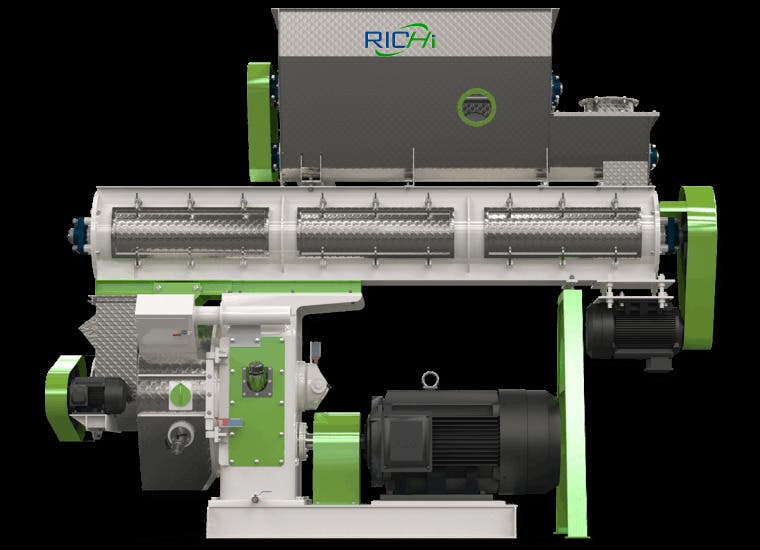
- Pellet mill or extruder: Forms the mixture into the required pellet shape.
- Dryer or cooler: Helps bring finished feed to suitable handling and storage conditions, depending on the production process.
- Crumbler and screener: Adjust pellet size when necessary and separate oversized particles or fines.
- Packing machine: Weighs and packages finished feed for storage or distribution.
Not every facility needs every machine. A small farm with modest production targets may begin with a simpler configuration, while a commercial feed producer may require automated conveying, precise dosing, and additional quality-control equipment.
How to Evaluate Production Capacity
Buyers should estimate the amount of feed consumed each day and allow for future changes in farming scale. Choosing equipment solely on its advertised hourly output can lead to an unsuitable investment if the farm lacks enough ingredient storage, drying capacity, or labor to support continuous operation.
A feed pellet machine should be assessed according to its performance with the intended formulation and pellet dimensions. The usable output may differ between recipes because ingredient composition, moisture, and processing conditions influence production.
It is also important to consider electricity consumption, spare parts, cleaning requirements, and operator training. A machine that is easy to maintain and operate can be more practical for a small facility than a larger system with unnecessary complexity.
Keeping Feed Quality Consistent
Producing uniform pellets requires attention to formulation accuracy, ingredient mixing, processing conditions, and finished-product handling. Depending on the species and application, manufacturers may need to monitor pellet durability, water stability, buoyancy, and nutrient retention.
Finished feed should be cooled or dried as appropriate before packaging. Excess moisture can contribute to deterioration during storage, while unsuitable processing conditions may reduce pellet quality. Regular sampling helps operators identify variations and make adjustments before they affect an entire production batch.
For additional background on equipment selection and aquatic feed processing, read here for further information about production planning and machinery considerations.