An efficient feed manufacturing system is essential for poultry farms and commercial feed producers seeking to improve product quality, control operating costs, and meet growing market demand. Choosing the right equipment and optimizing each processing stage can help manufacturers achieve stable production and consistent feed quality.
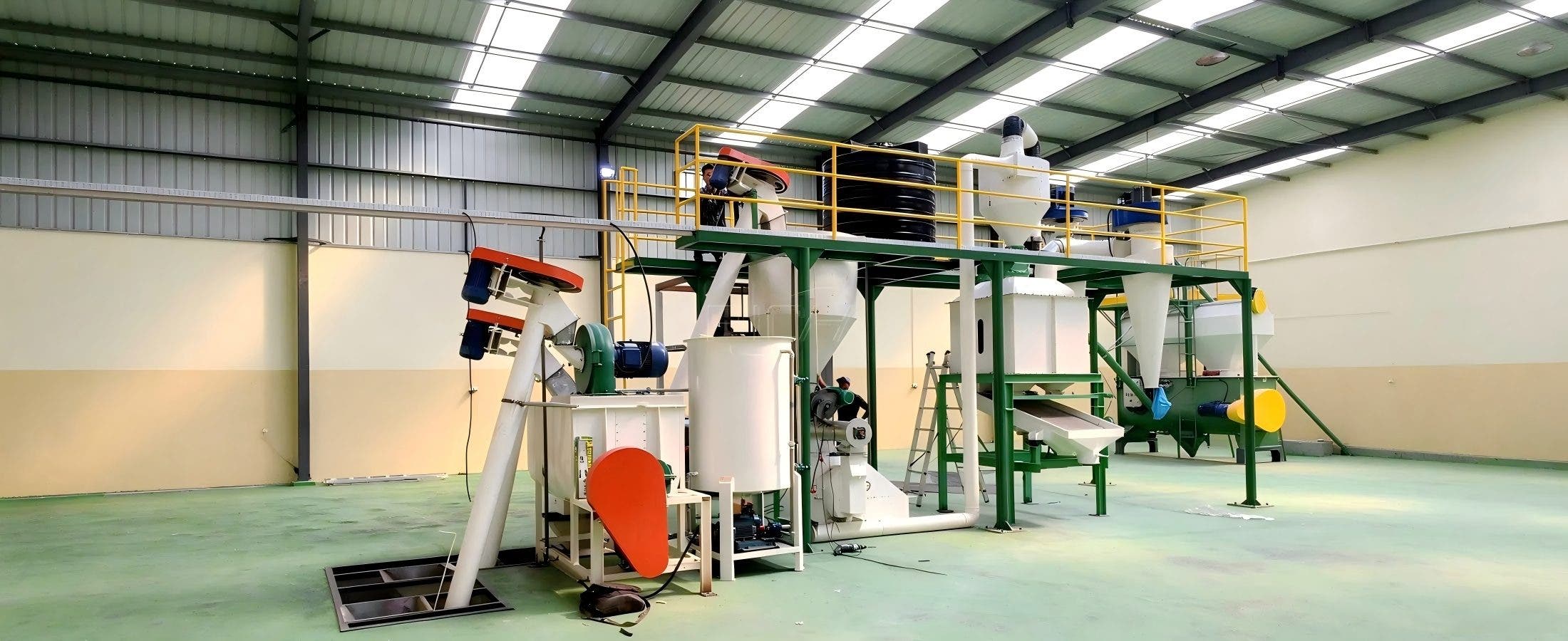
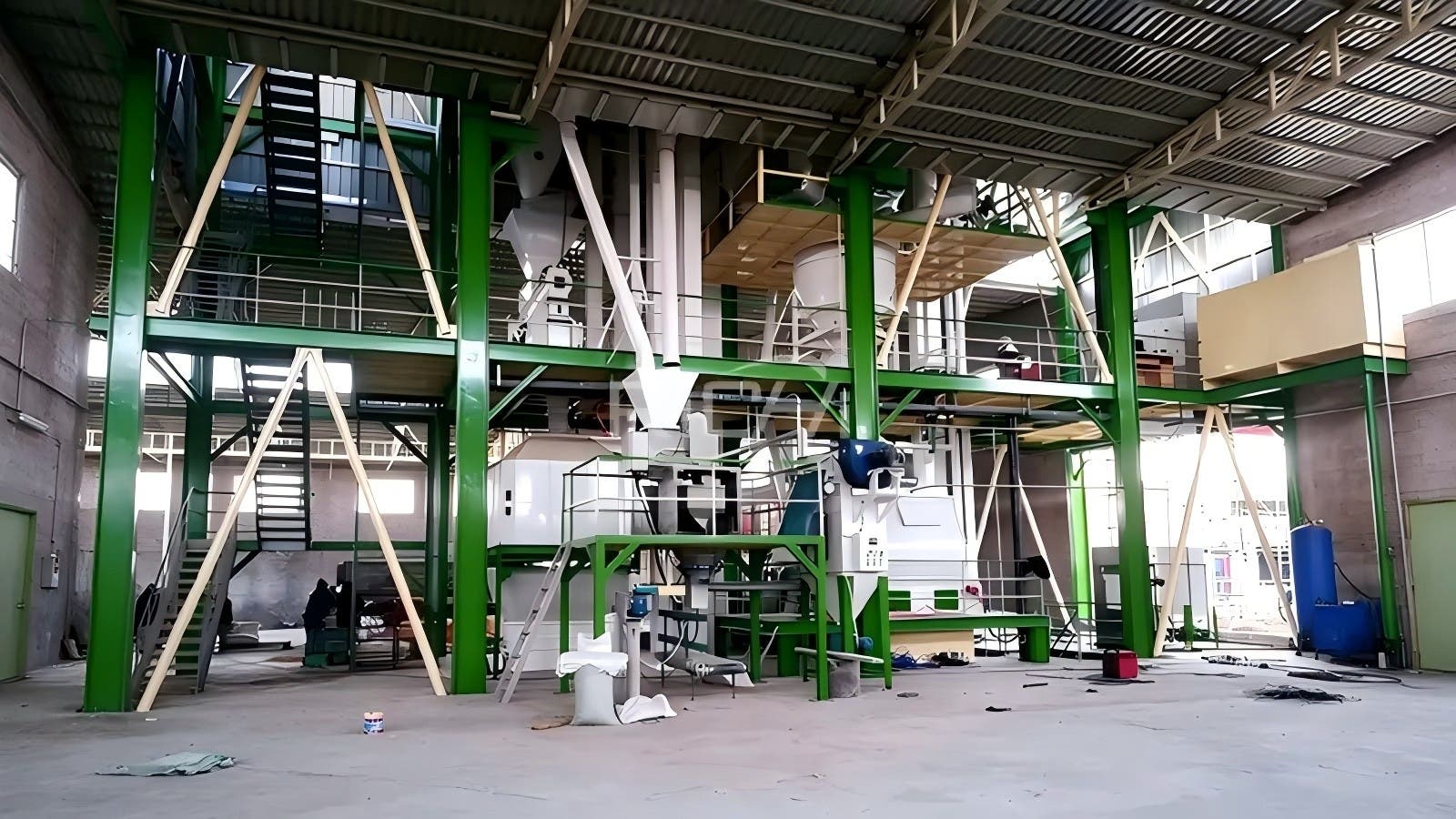
A well-designed poultry feed line integrates raw material cleaning, grinding, batching, mixing, and, when required, pelleting, cooling, screening, and packaging. The equipment configuration depends on production capacity, raw material characteristics, feed types, and the customer's investment budget.
Key Processing Stages of Poultry Feed Production
Raw material cleaning: Ingredients such as corn, wheat, and soybean meal are inspected and cleaned to remove stones, metal fragments, and other impurities. Proper cleaning protects downstream equipment and improves production safety.
Grinding: A hammer mill reduces raw materials to the required particle size. Appropriate grinding helps improve mixing uniformity and pellet quality while avoiding unnecessary energy consumption.
Batching and mixing: Ingredients are accurately weighed according to the feed formula and blended in a mixer. Consistent batching and mixing help distribute proteins, vitamins, minerals, and other nutrients evenly throughout the feed.
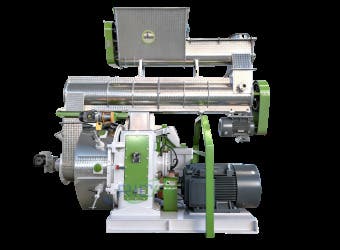
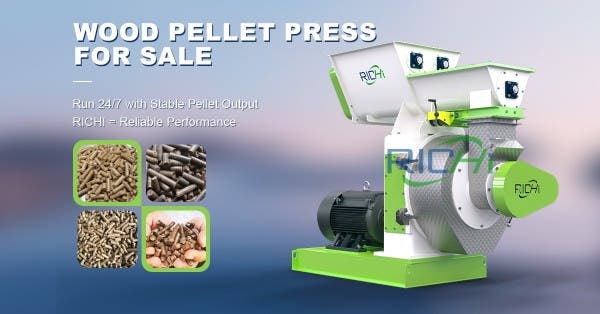
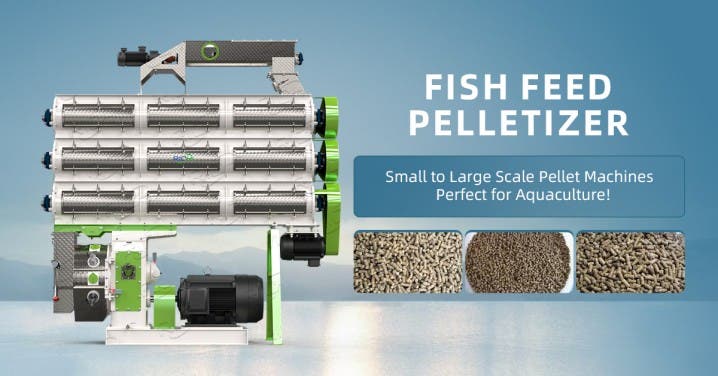
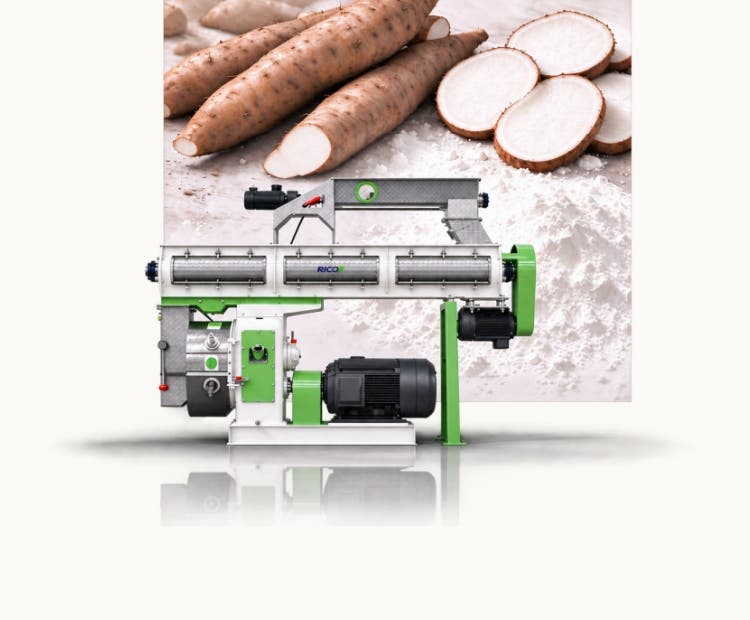
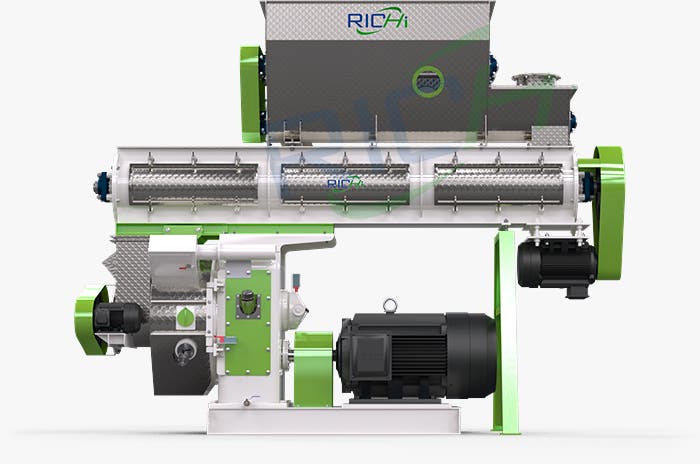
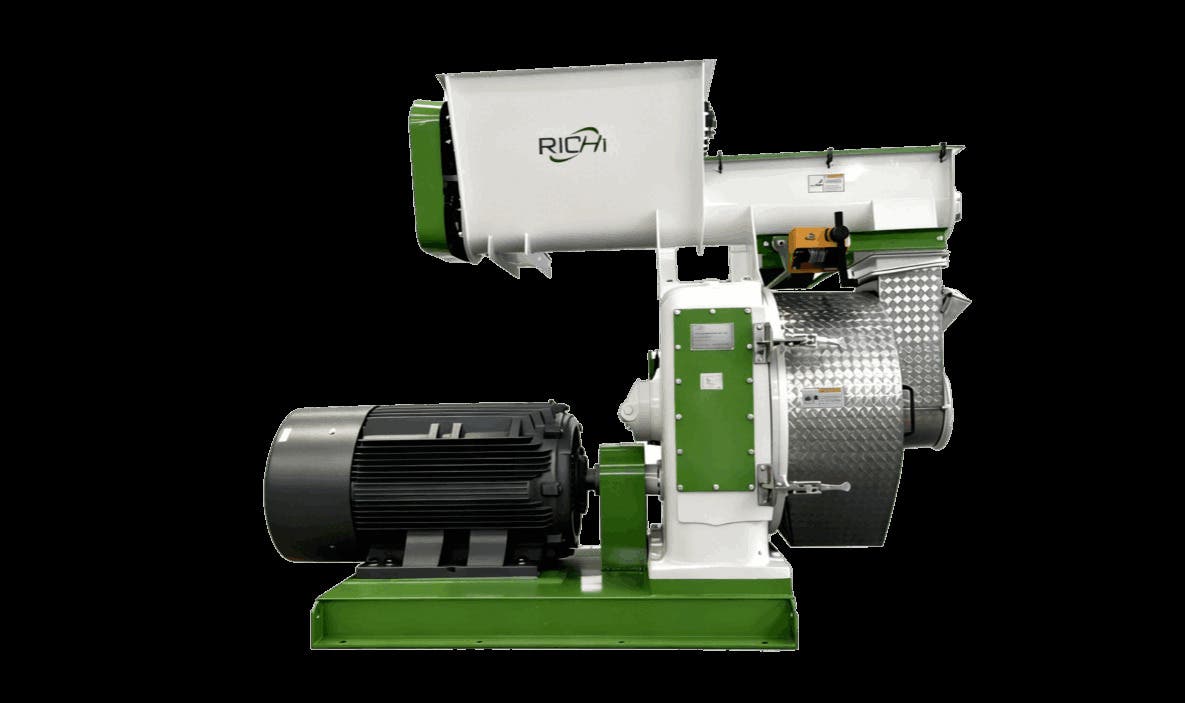
Pelleting: For pellet feed production, conditioned material passes through a pellet mill to form pellets of the desired diameter. Steam conditioning, die selection, and roller condition all influence pellet quality and production output.
Cooling and screening: Fresh pellets are cooled to reduce temperature and moisture. Screening separates acceptable pellets from fines before packaging or storage.
Packaging: Automatic weighing and bagging equipment prepares finished feed for transportation, distribution, or direct use on poultry farms.
Mash feed production may omit the pelleting, cooling, and screening stages, making the overall process simpler.
(click here: pelletisingmachine.com/poultry-feed-production-line/)
How to Choose Suitable Poultry Feed Equipment
Selecting equipment requires more than considering individual machine prices. Manufacturers should first determine their expected daily output, target feed products, raw material availability, and automation requirements.
For small poultry farms, a compact system with straightforward operation may be sufficient. Medium-sized feed manufacturers may benefit from automatic batching and integrated conveying systems. Large commercial plants often require higher-capacity machinery, centralized control, and automated packaging to support continuous production.
Equipment capacity should also be properly coordinated. If the mixer, pellet mill, cooler, or packaging machine cannot handle the same production flow, the entire plant may experience bottlenecks.
Customized Poultry Feed Production Solutions
Every feed manufacturing project has different requirements. RICHI Manufacture provides customized feed processing equipment and complete production-line solutions based on the customer's capacity targets, feed specifications, raw materials, and factory layout.
A customized solution may include cleaning machines, hammer mills, mixers, pellet mills, coolers, screening machines, conveyors, and packaging systems. Depending on project requirements, turnkey services can also cover production-line design, equipment manufacturing, international shipping coordination, installation and commissioning, operator training, and after-sales technical support.
Frequently Asked Questions
What products can a poultry feed line manufacture?
Depending on its configuration, it can produce poultry mash feed, pellet feed, and crumbled feed for broilers, layers, and young chicks.
What affects the cost of a poultry feed production line?
Major factors include production capacity, equipment configuration, automation level, raw material handling, factory preparation, and installation requirements.
How can feed production efficiency be improved?
Manufacturers can improve efficiency through appropriate equipment sizing, accurate batching, consistent raw material quality, preventive maintenance, and optimized processing parameters.
Conclusion
Investing in the right poultry feed line can help manufacturers improve production efficiency, maintain consistent feed quality, and control long-term operating costs. By evaluating production requirements carefully and choosing a customized equipment configuration, poultry farms and commercial feed producers can build a reliable foundation for business growth.