Aquaculture is developing rapidly, creating a growing demand for high-quality fish feed and reliable manufacturing equipment. For feed producers, improving production efficiency while maintaining consistent pellet quality is essential for meeting market requirements. A well-designed fish feed production line can help manufacturers process different raw materials, reduce material waste, and produce feed suitable for various fish species.
The Importance of Fish Feed Processing
Fish feed provides essential nutrients, including protein, fats, carbohydrates, vitamins, and minerals. Common raw materials include fish meal, soybean meal, corn flour, wheat flour, rice bran, and other suitable ingredients. The formulation depends on the target species, growth stage, and feeding habits.
Besides nutritional value, pellet size, hardness, buoyancy, and water stability are important quality indicators. Floating feed is suitable for many surface-feeding fish, while sinking feed is designed for species that feed at lower depths. Manufacturers must select appropriate processing technology to achieve the desired product characteristics.
How a Fish Feed Pelletizer Works
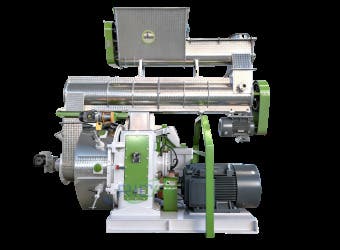
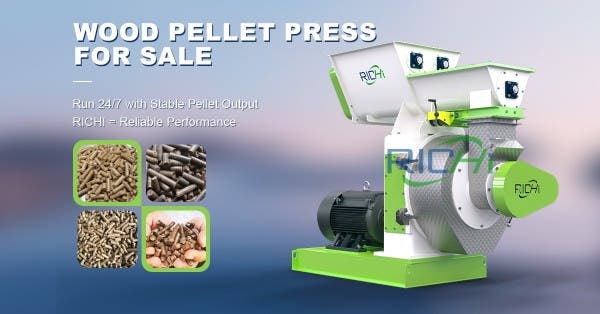
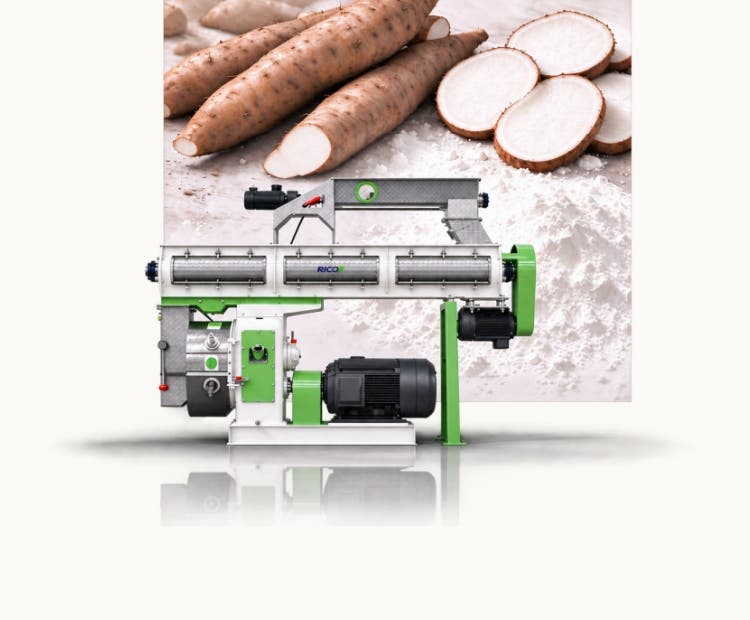
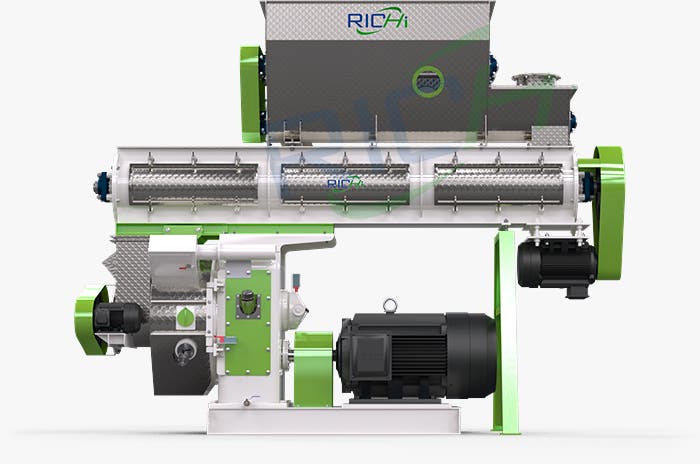
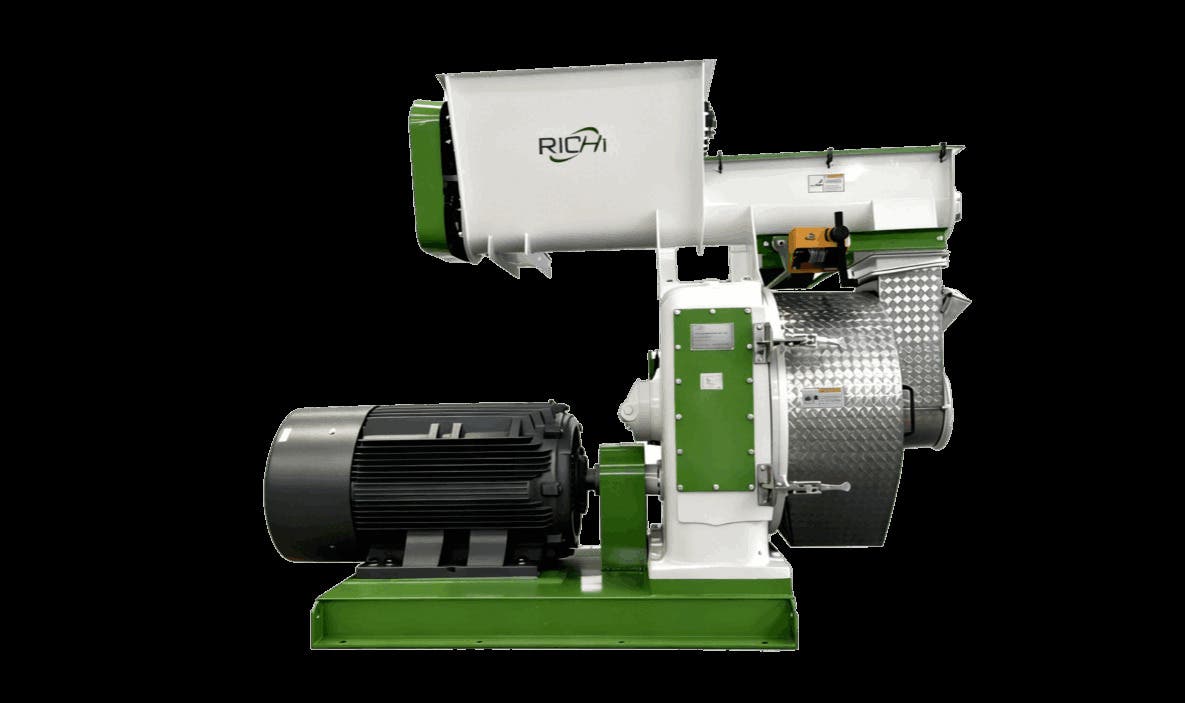
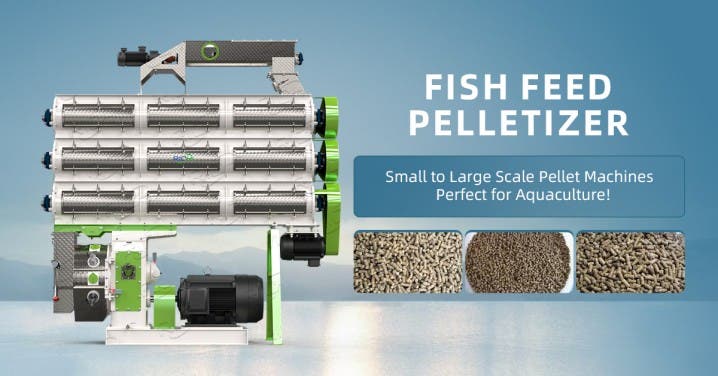
Afish feed pelletizer is an important machine for transforming prepared feed materials into uniform pellets. Depending on its design, the equipment may use mechanical compression or extrusion technology to shape the feed mixture.
Before pelletizing, raw materials are generally ground and mixed according to a balanced formula. The prepared mixture is then processed into pellets with the required diameter and shape. The finished product may need additional drying, cooling, and screening before packaging.
When choosing a machine, manufacturers should consider production capacity, pellet specifications, raw material compatibility, power consumption, and maintenance requirements. Actual output can vary according to ingredient composition, moisture content, and pellet size, so equipment selection should reflect practical production needs rather than rated capacity alone.
(click here: richipelletizer.com/fish-feed-pellet-making-machine/)
Main Stages of Fish Feed Manufacturing
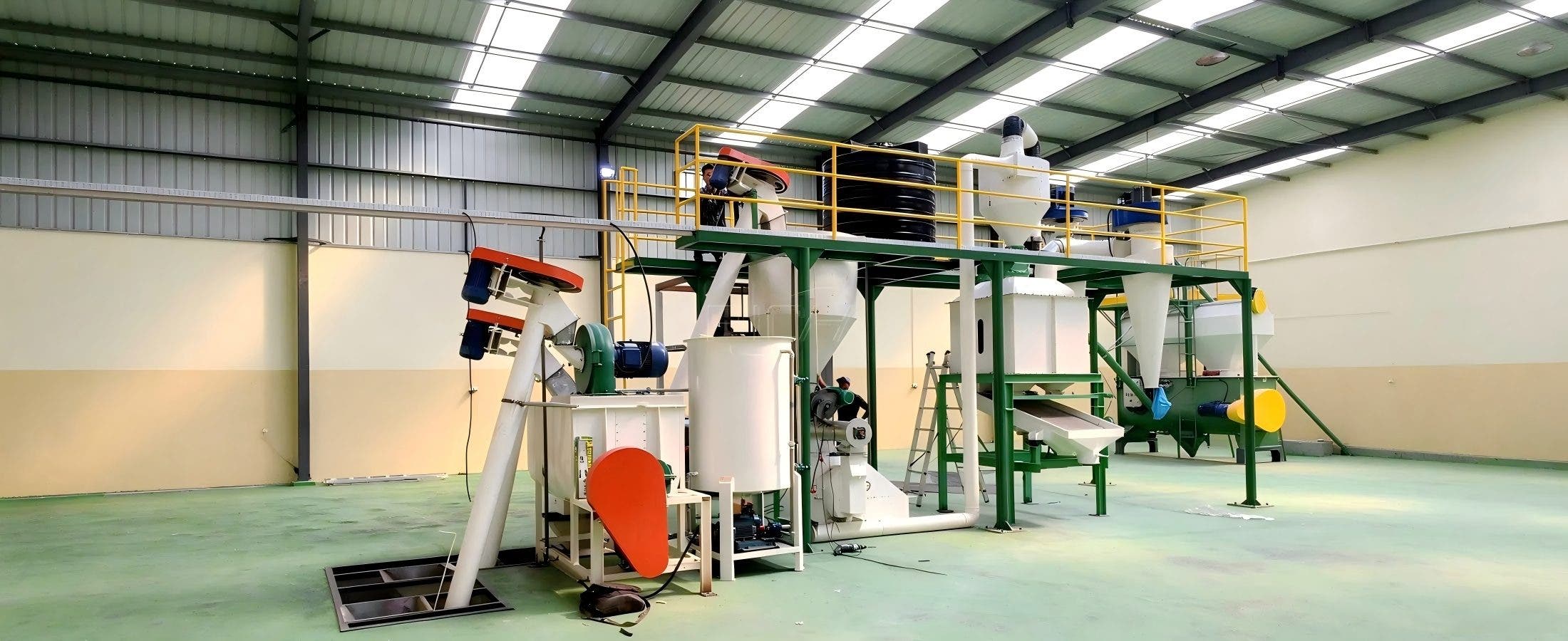
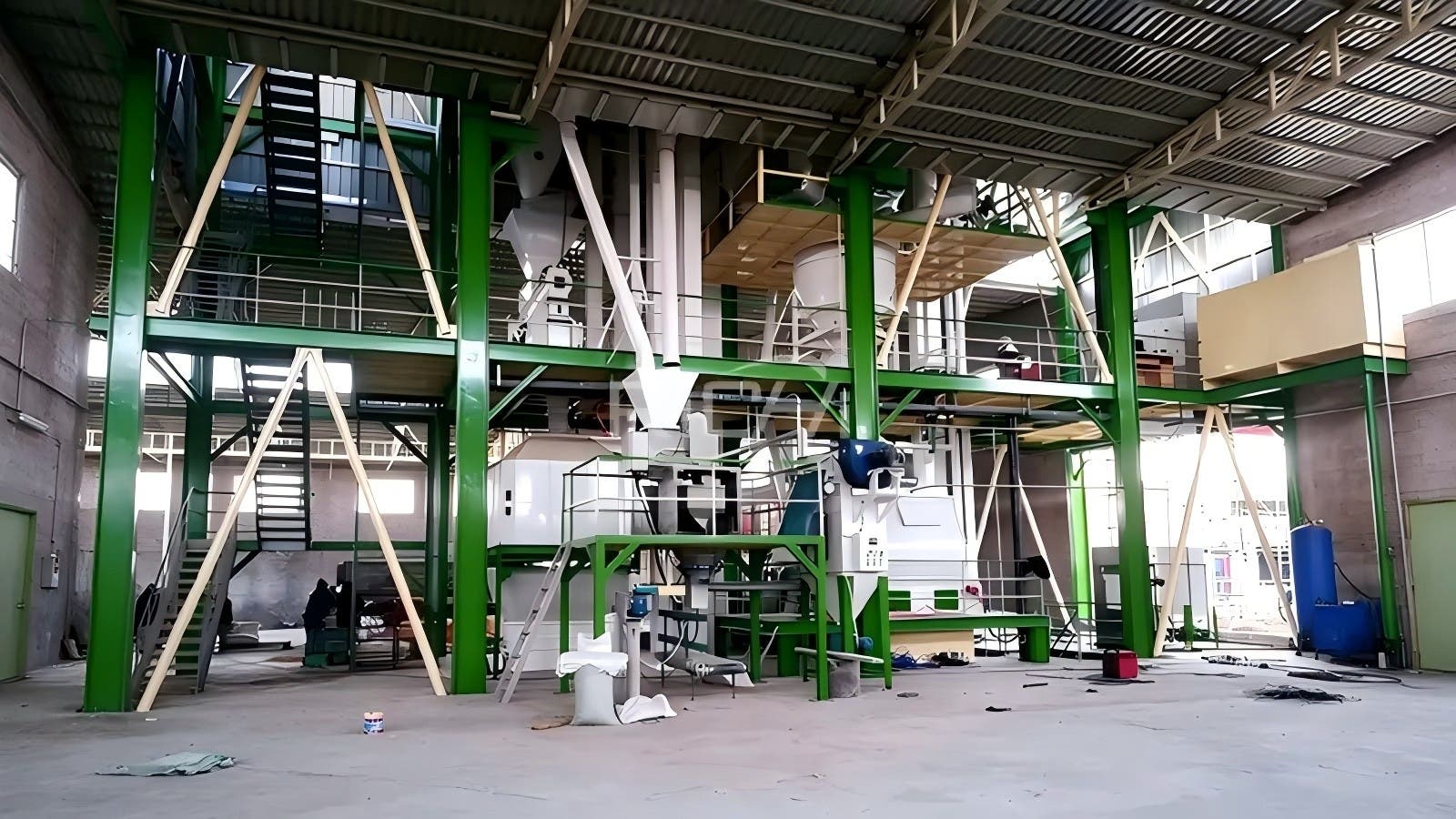
A complete production line usually includes several processing stages.
Grinding and mixing: A grinder reduces ingredient particle size, while a mixer distributes nutrients evenly throughout the feed mixture. Consistent preparation helps improve pellet quality.
Pellet formation: The prepared ingredients enter the selected pelletizing equipment. Proper machine settings help achieve the desired pellet dimensions and physical characteristics.
Drying and cooling: Fresh pellets may contain excess moisture. Drying improves storage stability, while cooling helps prevent condensation during packaging.
Screening and packaging: Screening removes broken pellets and excessive fines. The qualified product is then weighed and packaged for transportation and storage.
Each stage should have sufficient capacity to avoid bottlenecks and maintain stable production.
Choosing the Right Equipment
Manufacturers should evaluate their target market, expected output, available floor space, and investment budget before purchasing equipment. Small businesses may prefer compact systems with straightforward operation, while larger factories may require automated batching, continuous processing, and integrated packaging systems.
Energy consumption and maintenance costs should also be considered. Regular inspections, timely replacement of worn components, and proper operator training can reduce downtime and improve equipment service life.
(ecommended Supplier: RICHI Pelletizer)
Conclusion
A reliable fish feed production system combines suitable machinery, balanced formulations, and effective quality control. Choosing the right fish feed pelletizer helps manufacturers produce consistent pellets and improve manufacturing efficiency. By optimizing raw material preparation, pellet processing, drying, and packaging, businesses can control production costs and supply quality feed for different aquaculture applications.