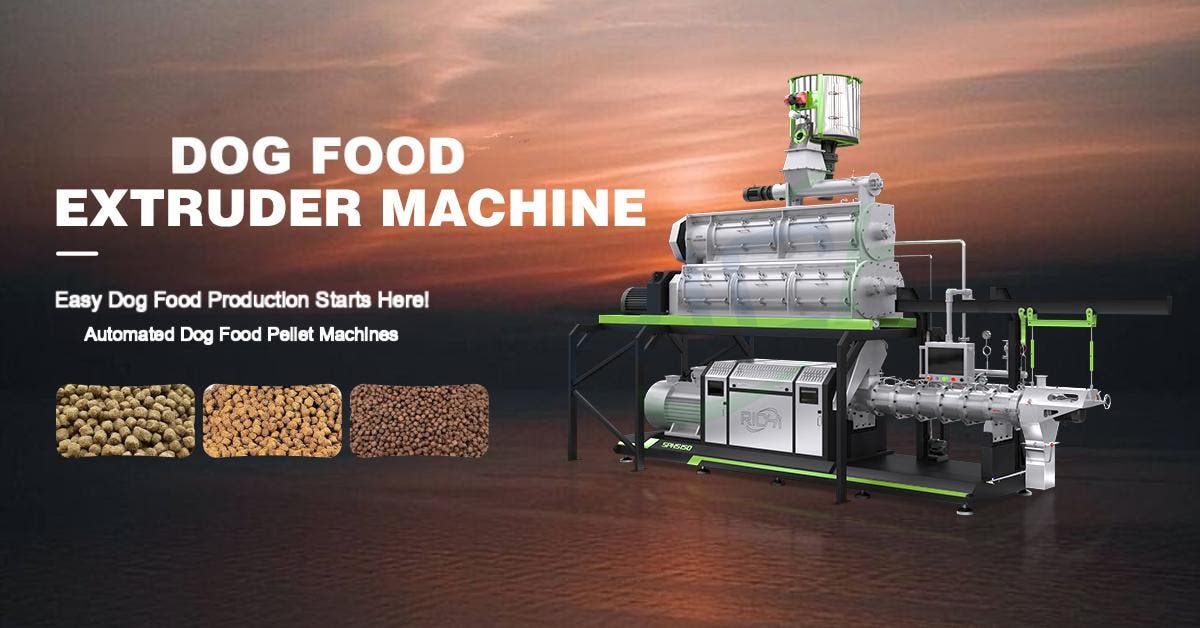
What Makes an Industrial Pet Food Extruder Suitable for Large-Scale Production?
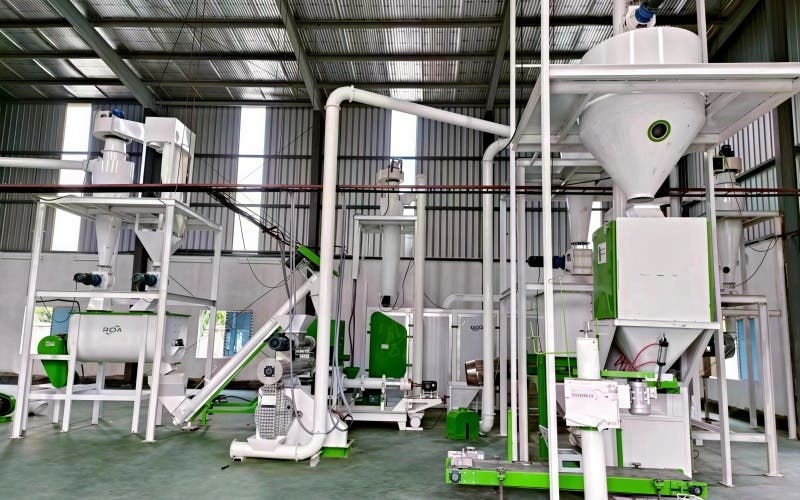
As demand for commercial pet food grows, manufacturers need equipment that can maintain consistent output while handling different recipes and product specifications. Industrial extrusion systems help process blended ingredients into shaped pet food products, but selecting the right configuration requires careful planning.
A machine designed for continuous commercial production must do more than achieve a high nominal output. It should provide stable feeding, suitable cooking conditions, reliable shaping, and compatibility with downstream drying and packaging equipment.
Which Production Requirements Should You Define First?
Before choosing an industrial extruder, establish your daily production target and the range of products you intend to manufacture.
Consider whether the plant will produce dry dog food, cat food, treats, or several formulations. Each product may have different requirements for shape, density, texture, moisture, and ingredient composition.
Your production schedule also matters. A facility operating multiple shifts may prioritize continuous operation, accessible maintenance points, and rapid troubleshooting. A plant changing recipes frequently may need greater process flexibility and practical cleaning arrangements.
Defining these requirements early helps narrow the equipment options and prevents capacity from becoming the only selection criterion.
How Does Extruder Design Affect Production?
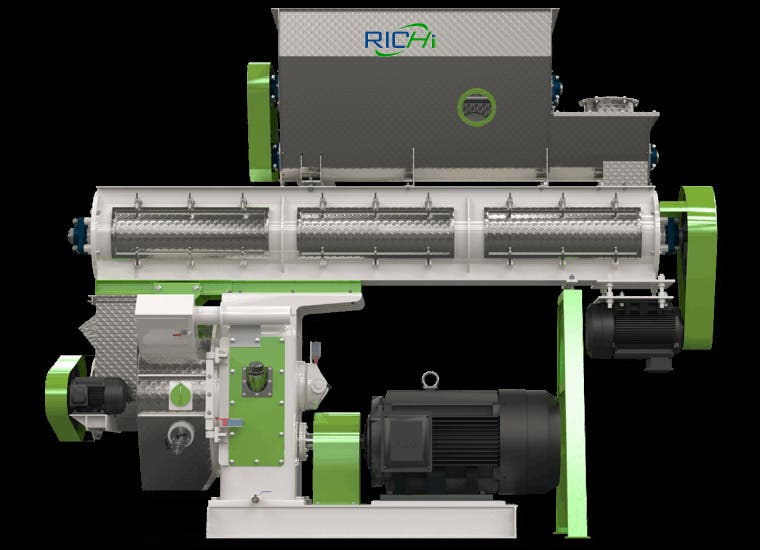
Extruder configuration influences material transport, cooking, mixing, and shaping. Single-screw machines can suit many conventional pet food applications, while twin-screw systems may offer additional flexibility for certain complex formulations.
The correct choice depends on the recipe, desired product properties, output target, and budget. Manufacturers should request performance information for their actual ingredients rather than assuming that one design will suit every application.
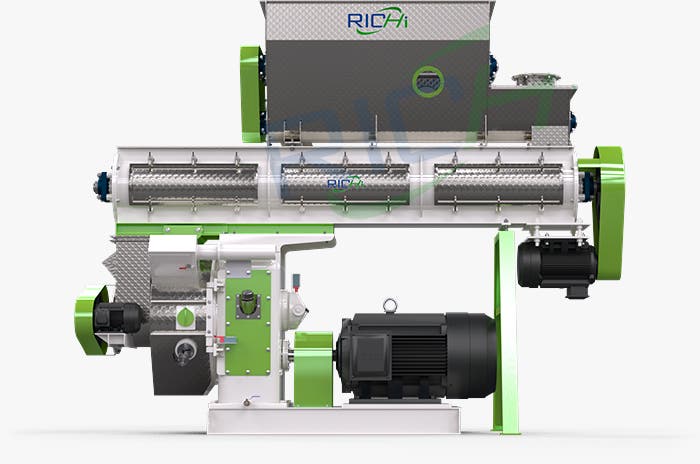
When evaluating an industrial pet food extruder for sale, ask about sustained throughput, motor power, die options, process controls, wear components, and the expected operating conditions. Confirm whether the quoted output applies to your intended formulation and product dimensions.
How Can Manufacturers Maintain Consistent Product Quality?
Product quality depends on both formulation and process control. Ingredient particle size, moisture, starch content, protein sources, and fat levels can affect extrusion behavior.
Manufacturers should establish clear specifications for product dimensions, final moisture, bulk density, and other relevant quality indicators. Process parameters should then be adjusted and validated for each formulation.
Drying and cooling also play important roles. Extruded kibble generally needs to be dried to the target moisture level and cooled before packaging. If the product is coated with fats or flavoring materials, the line must include a suitable coating stage and appropriate quality checks.
Regular monitoring helps identify changes in product appearance, texture, and moisture before they create larger production problems.
Can One Extruder Handle Multiple Feed Applications?
Some manufacturers operate both pet food and aquatic feed production facilities. Although both applications can use extrusion technology, the required product characteristics and processing conditions may differ considerably.
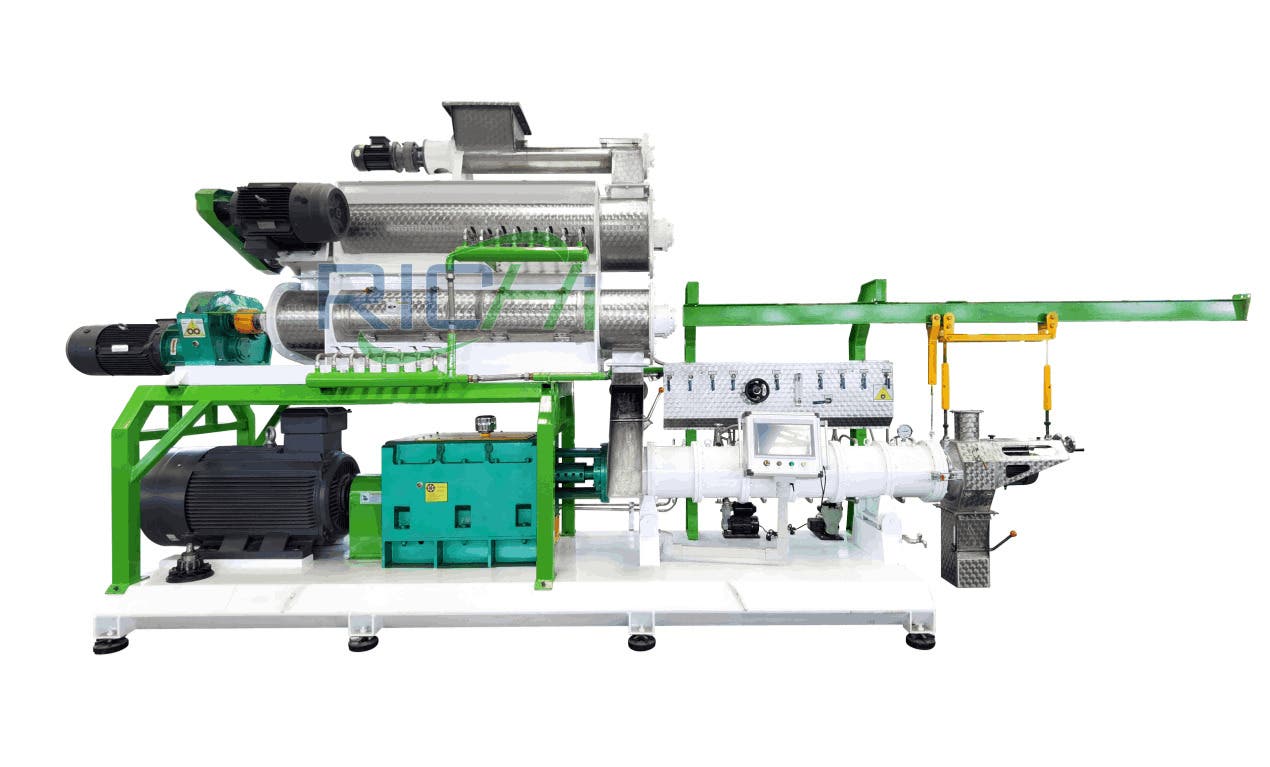
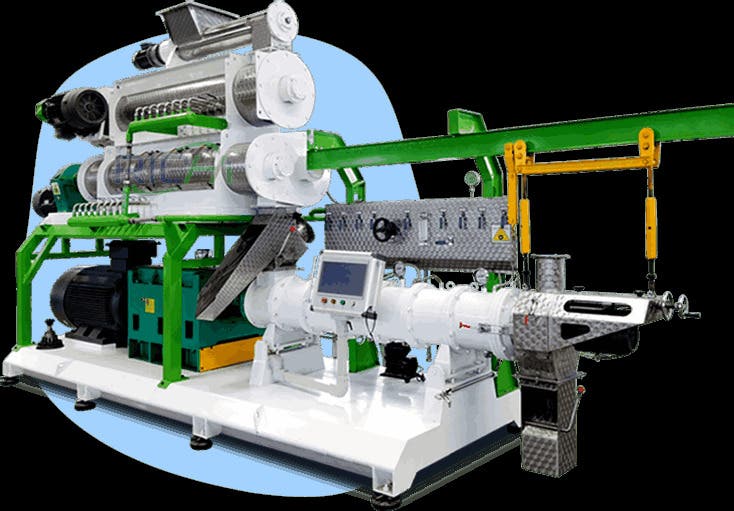
A floating fish feed extruder machine is designed for aquatic feed applications where buoyancy, water stability, and pellet dimensions may be important. Pet food production instead focuses on the specifications of the intended pet food product.
Before planning shared equipment, confirm whether the machine can meet the technical requirements of both applications. Differences in formulations, dies, process settings, cleaning procedures, and downstream equipment may make dedicated configurations more practical.
What Should Be Included in a Commercial Equipment Proposal?
An industrial project quotation should clearly identify the main extruder, auxiliary equipment, control systems, electrical requirements, installation scope, and commissioning arrangements.
Also evaluate maintenance access, spare-parts availability, operator training, and technical support. These factors can influence production continuity over the equipment's service life.
When researching suppliers, richimanufacture pellet equipment supplierinformation can serve as one starting point for reviewing industrial processing capabilities. Request detailed specifications and discuss representative material trials before confirming the final configuration.