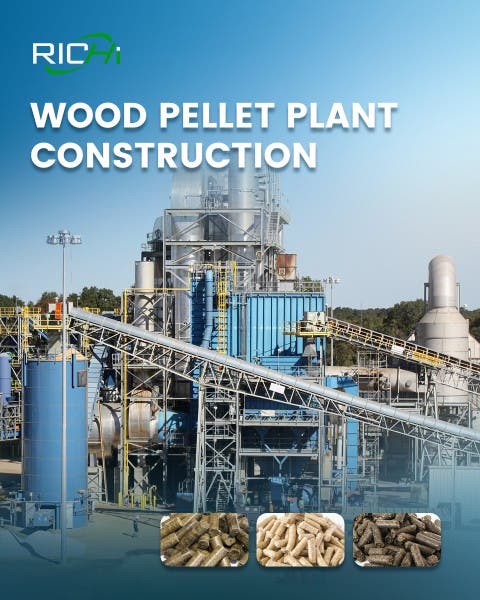
Wood waste is a valuable biomass resource that can be converted into high-quality fuel pellets for residential heating, industrial boilers, and power generation. Materials such as sawdust, wood chips, wood shavings, and forestry residues can all be used for pellet production after proper processing. Establishing an efficient wood pellet manufacturing plant not only helps businesses utilize waste wood but also creates additional economic value.
What Is a Wood Pellet Manufacturing Plant?
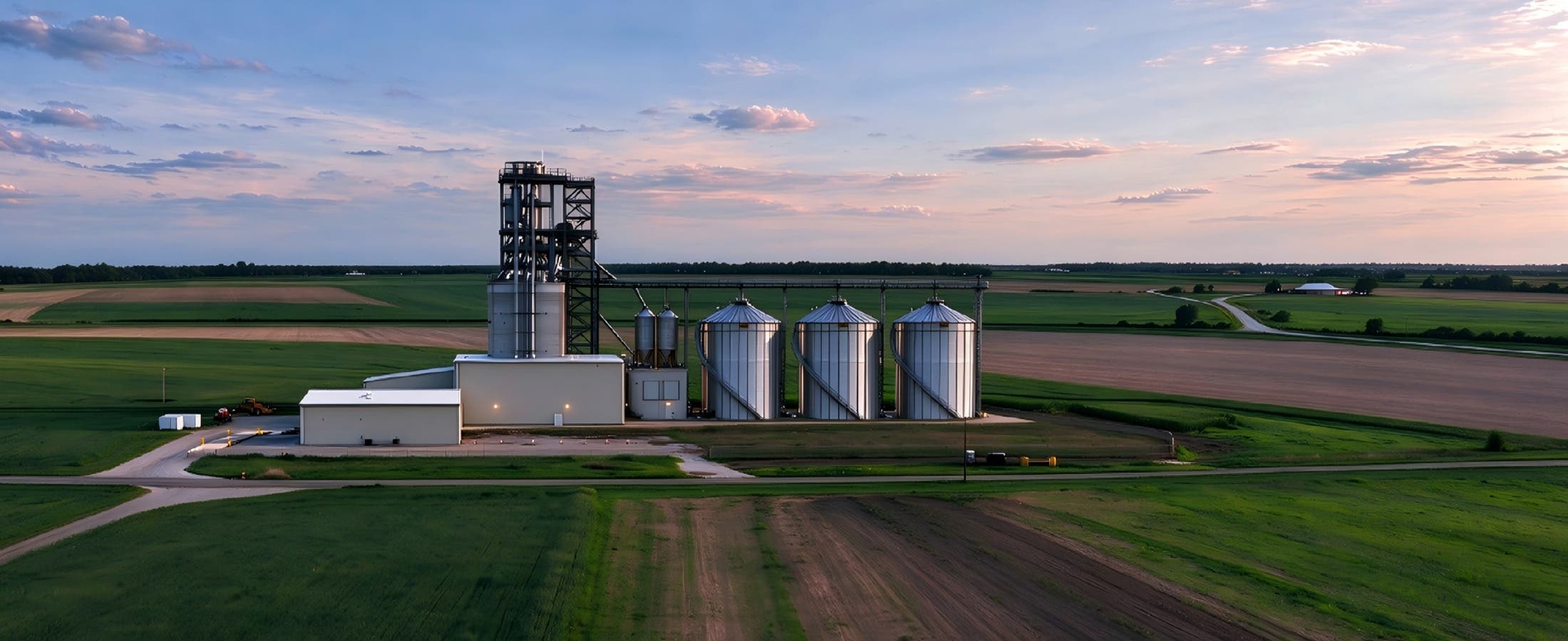
A wood pellet manufacturing plant is a complete processing facility designed to convert raw wood materials into standardized biomass fuel pellets. Depending on production requirements, the plant can be configured for small-scale workshops or large commercial pellet factories.
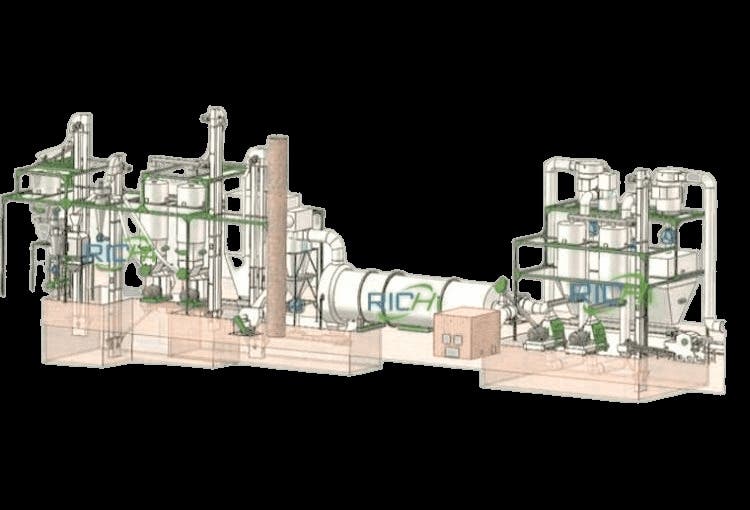
A complete wood pellet production line generally includes raw material preparation, crushing, drying, pelletizing, cooling, screening, and packaging systems. Each stage plays an important role in ensuring consistent pellet quality and stable production efficiency.
Main Processing Steps
Raw Material Preparation
The first step is collecting and sorting raw materials. Large wood pieces, bark, stones, and other impurities should be removed before further processing. Different raw materials may require different pretreatment methods.
Wood Crushing
A wood chipper or hammer mill reduces wood materials into smaller particles. For example, wood chips and branches need to be crushed into suitable sizes before entering the drying and pelletizing stages. Uniform particle size helps improve subsequent processing performance.
Wood Drying
Moisture content is one of the most important factors affecting pellet quality. A rotary drum dryer is commonly used to reduce the moisture content of wet wood materials to approximately 10%–15%, depending on the raw material and pelletizing requirements.
Pelletizing
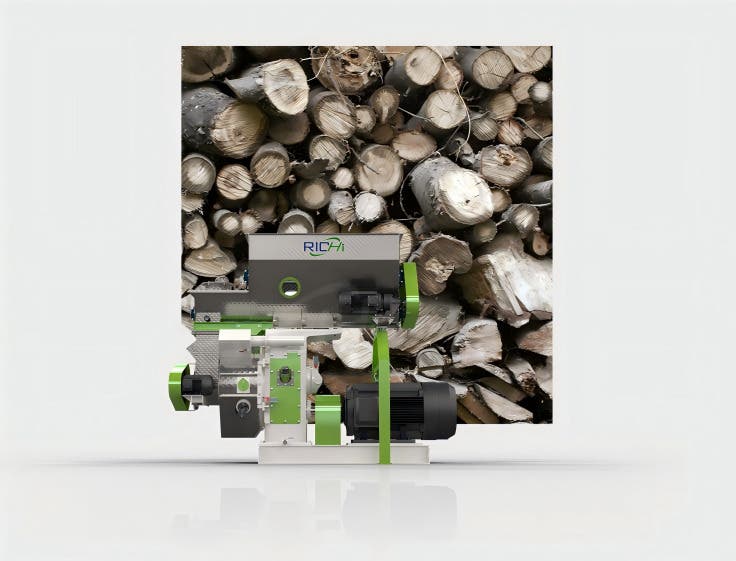
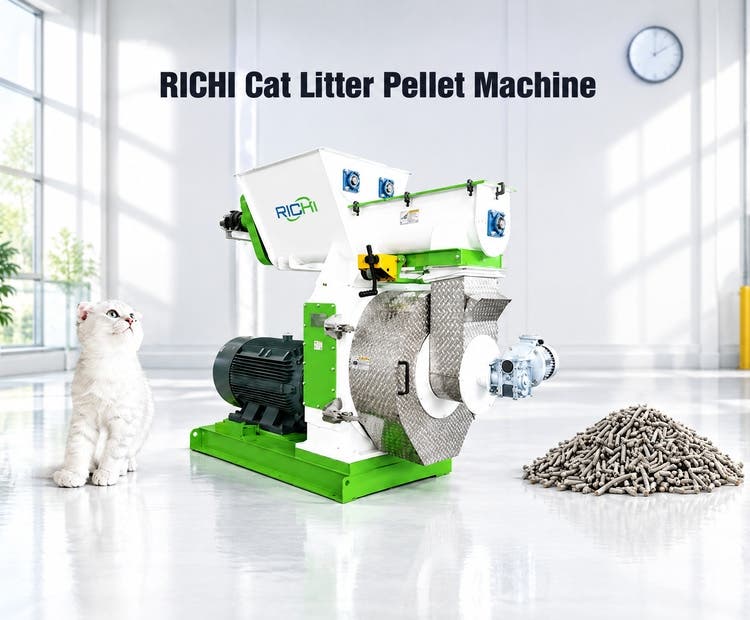
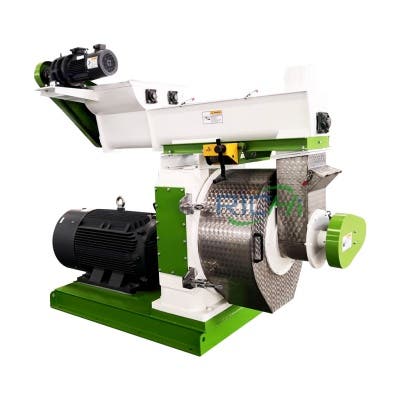
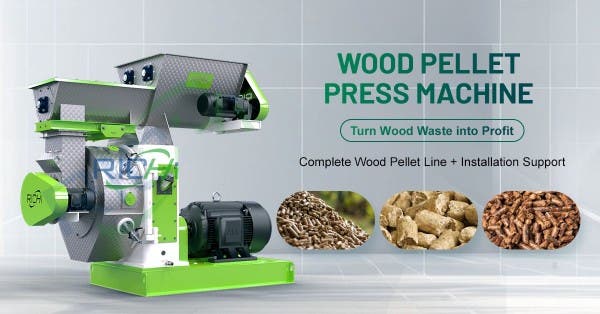
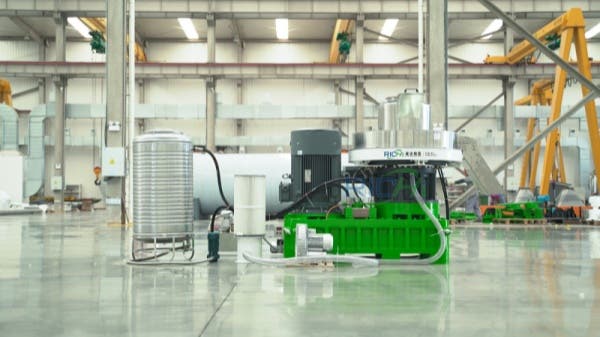
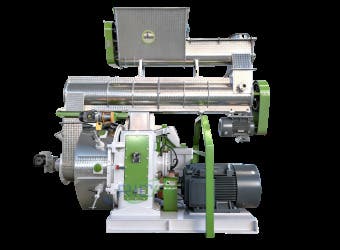
After drying, the prepared materials are conveyed into a wood pellet mill. Under the combined pressure and friction of the ring die and rollers, wood particles are compressed into cylindrical pellets. The pellet diameter can generally be customized according to market requirements.
Cooling and Screening
Freshly produced wood pellets are hot and relatively soft. A pellet cooler reduces their temperature and moisture content, improving hardness and storage stability. A vibrating screen then separates qualified pellets from fines and oversized particles.
Packaging and Storage
Finally, finished pellets are weighed and packed into bags or bulk packaging systems. Proper packaging helps protect pellets from moisture and facilitates transportation, storage, and distribution.
(click here:pelletisingmachine.com/wood-pellet-production-line/ )
How to Choose the Right Equipment
Selecting suitable equipment depends on several factors, including raw material type, moisture content, required capacity, final pellet specifications, and available investment budget.
For example, a plant processing wet sawdust may require a more powerful drying system, while a facility using relatively dry wood shavings may need less drying capacity. Businesses should also consider electricity consumption, equipment durability, maintenance requirements, and future production expansion.
Customized Wood Pellet Production Solutions
RICHI Manufacture provides customized biomass pellet production equipment and complete turnkey solutions for different project requirements. Whether you plan to establish a small wood pellet workshop or an industrial-scale pellet factory, we can develop a suitable production process based on your raw materials, production capacity, and investment objectives.
From plant layout design and equipment manufacturing to international transportation, installation, commissioning, and operator training, RICHI supports customers throughout the entire project lifecycle.
Investing in a properly designed wood pellet manufacturing plant can help businesses transform low-value wood waste into marketable biomass fuel while improving resource utilization and long-term profitability.
Add realistic capacity and cost guidanceStrengthen the RICHI turnkey service section