How to Choose a Leaf Pellet Mill for Biomass Processing
Leaves are widely available from landscaping, agriculture, and seasonal maintenance. Processing suitable dried leaves into biomass pellets can improve storage, transportation, and handling.
However, leaf materials vary in moisture, fiber structure, and particle size. When choosing a leaf pellet mill, understanding these characteristics is essential.
1. Check Raw Material Conditions
Before selecting equipment, evaluate:
- Initial moisture content.
- Leaf size and fiber length.
- Soil, stones, and other impurities.
- Seasonal raw material availability.
- Whether leaves are mixed with grass or other residues.
These factors determine the need for cleaning, drying, and crushing equipment.
2. Choose the Right Pelletizing Machine
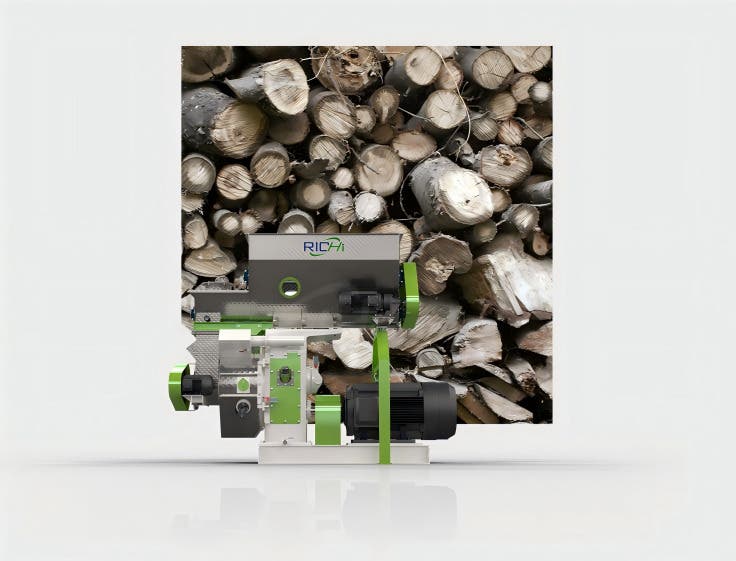
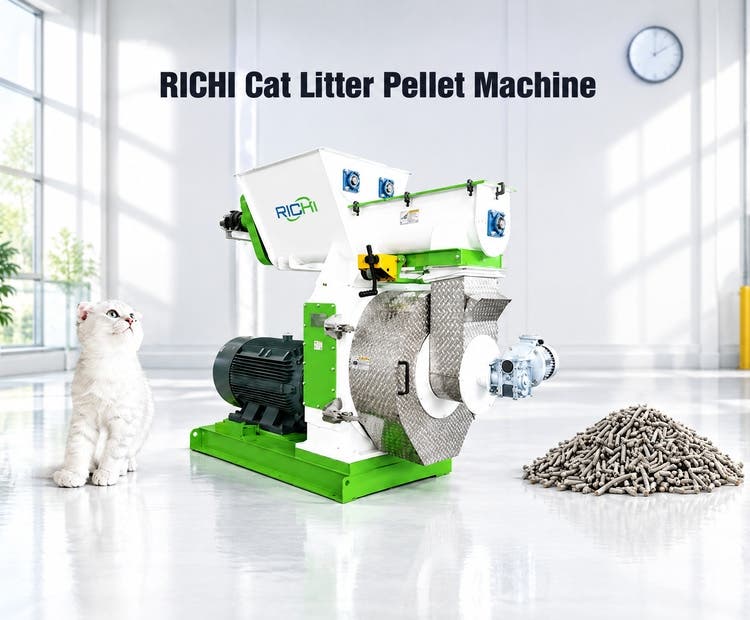
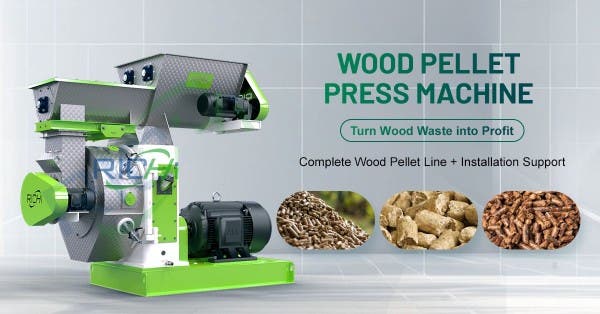
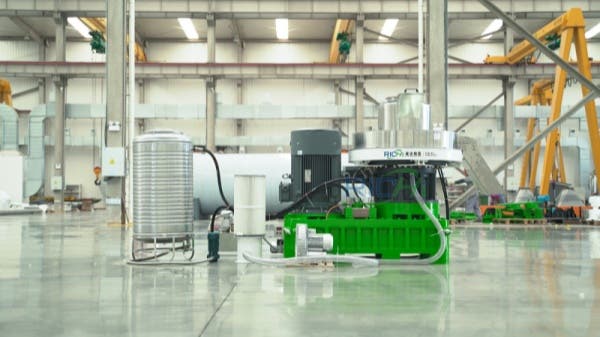
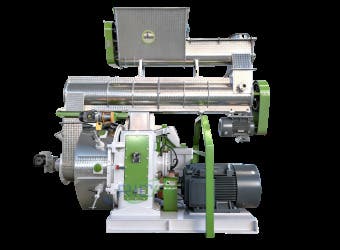
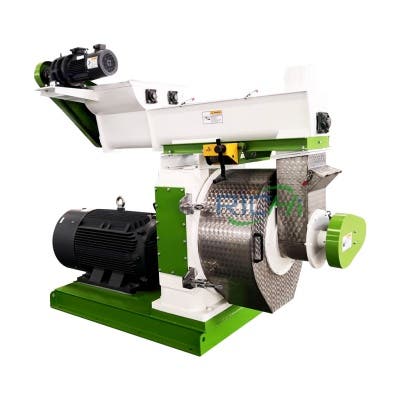
Select a pellet mill based on leaf characteristics and required output. Pay attention to feeding structure, motor power, die configuration, and roller arrangement.
When comparing equipment with an alfalfa pellet making machine, consider whether its feeding system can handle fibrous materials consistently.
Request material testing to verify pellet-forming performance before purchasing.
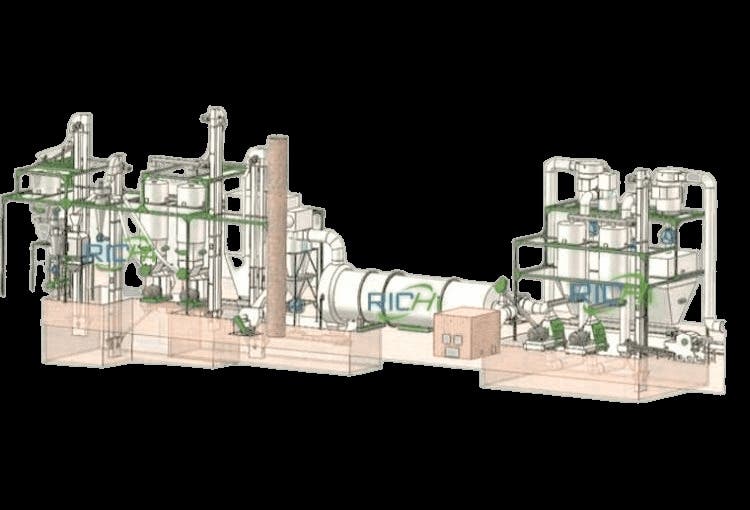
3. Plan the Complete Production Line
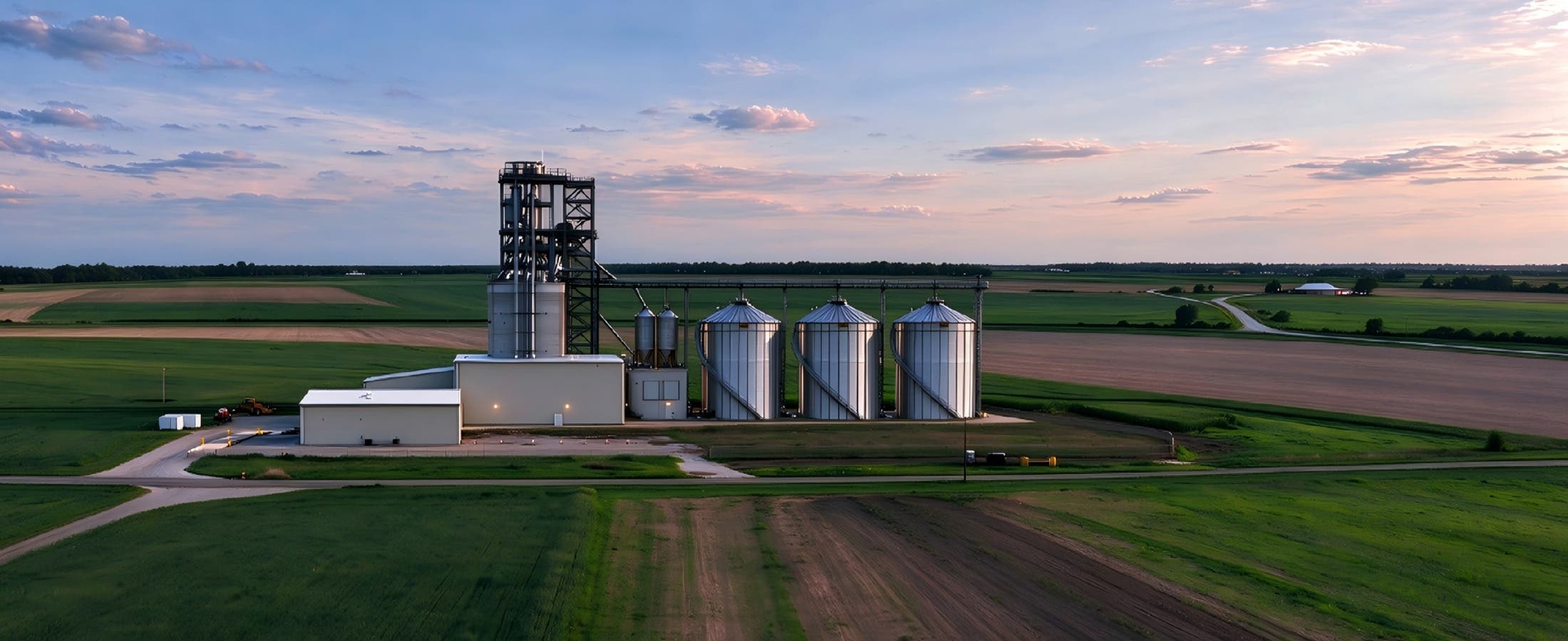
A typical leaf pellet production process includes:
- Raw material collection.
- Cleaning and impurity removal.
- Drying when necessary.
- Crushing and size reduction.
- Mixing and conditioning.
- Pelletizing.
- Cooling and screening.
- Packaging.
The equipment configuration depends on the initial material condition. Make sure the capacity of each processing stage matches the pellet mill.
4. Evaluate Pellet Quality
Check the finished pellets for:
- Consistent dimensions and shape.
- Suitable density and durability.
- Appropriate moisture content.
- Low fines and breakage.
When mixing leaves with other biomass materials, determine the formulation through actual testing rather than assumptions.
5. Compare Capacity and Operating Costs
Estimate annual raw material availability and expected production hours before choosing capacity.
Compare motor power, energy consumption, labor requirements, wear parts, and auxiliary equipment. Remember to distinguish between the capacity for prepared materials and the original incoming leaves.
6. Check Manufacturer Support
Before purchasing, confirm installation, commissioning, operator training, spare parts, and maintenance support.
Review previous projects involving leaves or similar fibrous biomass materials to understand the equipment configuration and processing requirements.
Explore RICHI biomass pellet machine solutions to compare equipment options and request a customized quotation.
Conclusion
Choosing a leaf pellet mill requires evaluating raw materials, preparation processes, pellet quality, and production costs. Testing representative leaves and matching equipment to actual project requirements can help reduce investment risks and improve production stability.