The growing demand for poultry products creates opportunities for businesses involved in animal feed manufacturing. However, starting a feed production business requires careful planning, suitable machinery, and a clear understanding of local market demand. Whether supplying small poultry farms or large commercial operations, manufacturers need a reliable production system that can deliver consistent feed quality while keeping operating costs under control.
Evaluate Your Market and Production Goals
Before investing in machinery, determine which customers you intend to serve. Small poultry farms may prefer locally produced feed in convenient bag sizes, while large livestock enterprises often require bulk supplies and consistent production volumes.
You should also identify the main products to manufacture, including broiler feed, layer feed, chick starter feed, and breeder feed. Different products require different formulations and may involve different particle sizes and processing requirements.
Understand the Complete Manufacturing Process
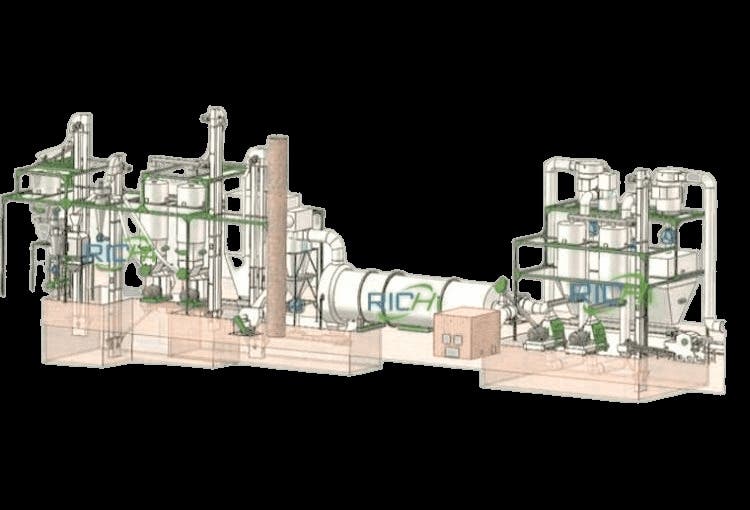
A modern chicken feed processing plant generally follows a sequence of raw material cleaning, grinding, batching, mixing, conditioning, pelleting, cooling, screening, and packaging.
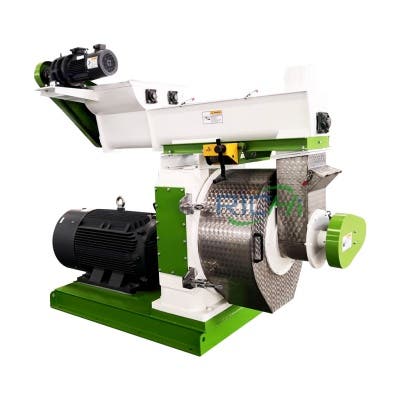
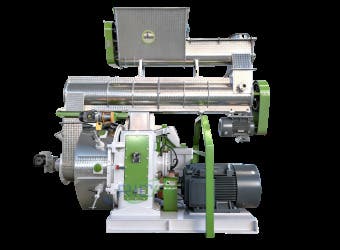
For mash feed production, the process can end after mixing and proceed directly to packaging. For pellet feed, a pellet mill compresses the conditioned mixture into uniform pellets. If crumble feed is required, an additional crumbler reduces pellet size.
Each stage must be properly matched to the next. For example, an undersized cooler can limit the output of a high-capacity pellet mill, reducing the efficiency of the entire production line.
(click here: pelletisingmachine.com/chicken-feed-processing-plant/)
Select Machinery According to Your Budget
Equipment investment depends on production capacity, automation level, product types, and the complexity of the manufacturing process.
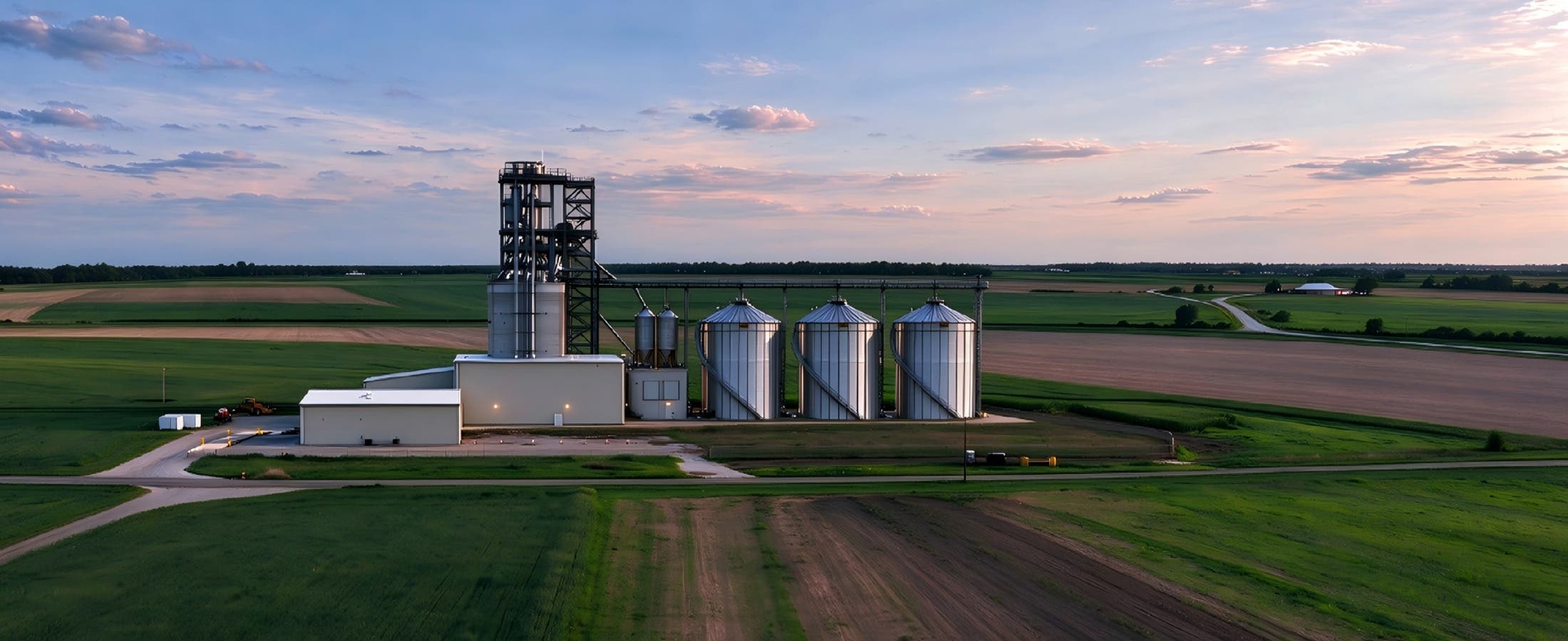
A small-scale poultry feed mill may use a relatively simple configuration with basic grinding, mixing, and pelletizing equipment. A large commercial facility may require automatic batching, multiple storage bins, centralized control, and automatic packaging systems.
When comparing machinery suppliers, consider not only the purchase price but also energy consumption, spare parts availability, maintenance requirements, and technical support.
Improve Production Management
Efficient factory management is essential for maintaining profitability. Manufacturers should establish clear procedures for raw material inspection, ingredient weighing, equipment maintenance, finished feed testing, and warehouse management.
Monitoring electricity consumption, reducing material losses, and optimizing production schedules can also help lower operating costs.
Work with a Professional Equipment Manufacturer
RICHI Manufacture provides customized poultry feed production solutions with capacities from 1 to 100 tons per hour. The equipment can be configured to produce mash, pellet, and crumble feed according to customer requirements.
In addition to individual machines, RICHI offers complete turnkey services, including production line design, equipment manufacturing, overseas shipping and customs clearance, installation and commissioning, operator training, and long-term after-sales support.
Conclusion
Starting a poultry feed business requires a combination of market research, process planning, suitable equipment, and effective production management. A properly designed chicken feed processing plant can help manufacturers improve production efficiency, maintain consistent product quality, and serve different poultry feed markets with greater flexibility.